
Two perfect winter paths in the USA: chase the sun or embrace the snow.
Prefer palm trees? Head south for warm water, whales, and golden sunsets.
Crave winter magic? Think alpine towns, fresh powder, and twinkly city nights.
What you’ll get here: the best places to go now, why winter is the sweet spot, and how to plan smart.
We’ll flag ideal weather windows, typical costs and crowd levels, and the seasonal perks that make each spot shine.
Quick Winter Travel Snapshot (Optional)
Warm Escapes vs. Snowy Wonderlands
Warm Escapes (Key West, Oahu, desert parks):
- Pros: Beach time without hurricanes; top wildlife seasons; long days outside.
- Cons: Peak pricing around holidays; sun intensity; limited shade on some hikes.
Snowy Wonderlands (Breckenridge, NYC, Boston):
- Pros: Lower hotel rates (city breaks), festival deals (Broadway Week), iconic winter scenes, top ski conditions.
- Cons: Weather delays possible; short daylight; gear adds bulk.

Photo Credit: @samuel_lethier (Instagram)
Packing Notes
Cold Destinations:
- Base layer, insulating mid-layer, waterproof shell.
- Warm hat, neck gaiter, touch-screen gloves, wool socks.
- Traction aids (microspikes) for icy sidewalks/trails.
- Hand warmers for night tours and long photo stops.
Warm Destinations:
- Reef-safe sunscreen (SPF 30+), wide-brim hat, UPF shirt.
- Light layers for cool mornings/evenings; packable rain shell.
- Refillable bottle + electrolytes; dry bag for boats.
- Water shoes for rocky entries; rash guard for snorkeling.
Booking Tips
- Timing: Book flights 6–10 weeks out; holiday weeks earlier. Ski weeks and island stays sell fast.
- Shoulder dates: Aim for early Dec or late Jan–early Feb for lower rates and calmer crowds.
- Midweek savings: Fly Tue/Wed, ski Mon–Thu, visit big museums midweek.
- Loyalty & passes: Stack hotel points; use city passes (NYC) and ski passes (Epic/Ikon) to cut costs.
- Cars: Reserve SUVs early for snow regions; add AWD + winter tires where available.
- Flexibility: Build buffer time for storms; choose refundable rates during peak winter weather.
Destination 1: Charleston, South Carolina — Mild Weather & Historic Charm
- Average Weather: ~60°F / 42°F
- Why Winter: Winter suits Charleston. Days are mild. Crowds thin out. Winter is the sweet spot in Charleston. You can roam the Historic District without the heat or the queues. Holiday lights still twinkle into January. Oyster season is booming—think smoky Lowcountry roasts and the big January Lowcountry Oyster Festival.
Ease in with a slow stroll past Rainbow Row and the Battery. Step inside a house museum for a hit of Gilded Age polish. Then chase the breeze on the Arthur Ravenel Jr. Bridge—or linger by the waterfront park for harbor views.
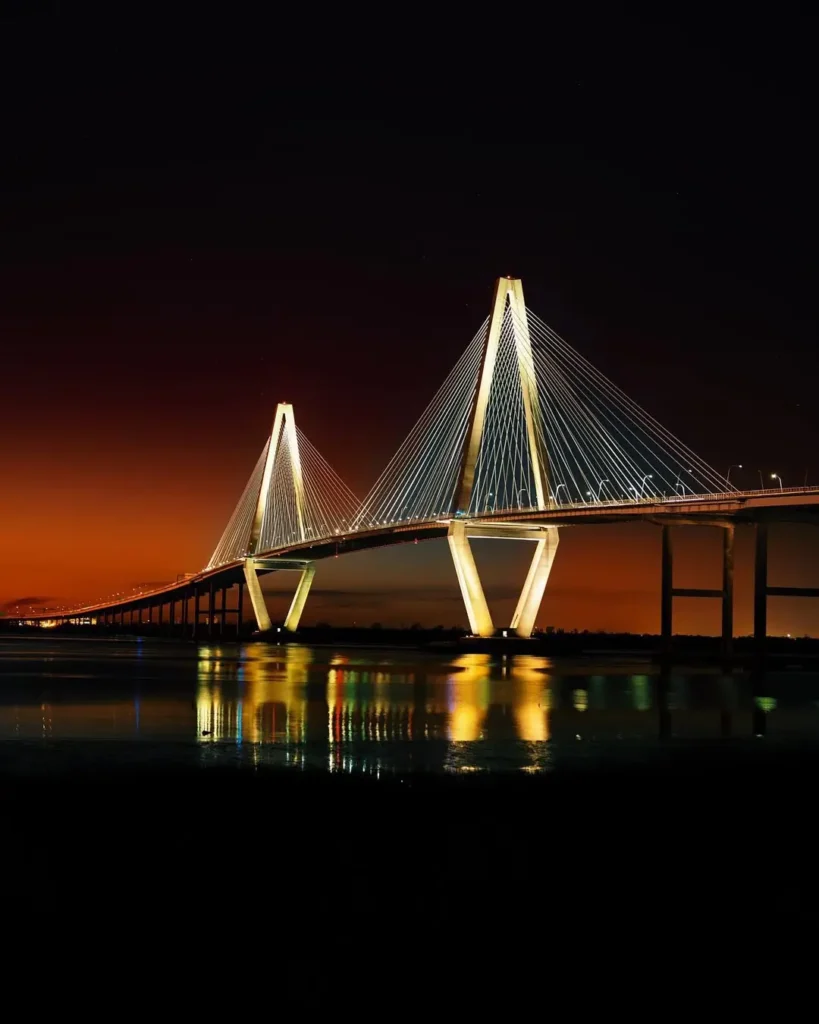
Photo Credit: @officialjackjeffery (Instagram)
Leave room for a plantation visit, too. Boone Hall is the classic. The Avenue of Oaks is breathtaking, and the history exhibits are powerful and thoughtful.
For a proper Lowcountry dinner, grab a seat at The Ordinary—oysters on ice, she-crab soup, and a wine list that lingers.
Stay central to keep everything walkable. The Charleston Place is the luxury pick with an unbeatable location. Prefer character? Book a restored inn inside the Historic District and wake to church bells instead of traffic.
Why winter works: Comfortable strolling temps, softer hotel rates than spring, and easier tables at the city’s hottest restaurants.
Pro tip: Book a guided history or food tour that starts early afternoon. You’ll finish right as the golden light hits Rainbow Row and the Battery—prime time for photos.
Destination 2: Savannah, Georgia — Squares, Moss, and Quiet Streets
- Average Weather: ~63°F / 42°F
- Why Winter: Savannah softens in winter. Rates drop. Days stay gentle. Nights turn cinematic under oak canopies draped in Spanish moss. It’s the best time to wander without the heat or the crowds.
Start at Forsyth Park. Let the fountain set the mood, then drift square to square—Chippewa, Madison, Lafayette—pocket gardens framed by ironwork and brick. Slide down to River Street for cobblestones, pralines, and slow river views. When the lamps glow, swap sidewalks for a carriage ride. Or lean into lore on a ghost tour through shadowy lanes.
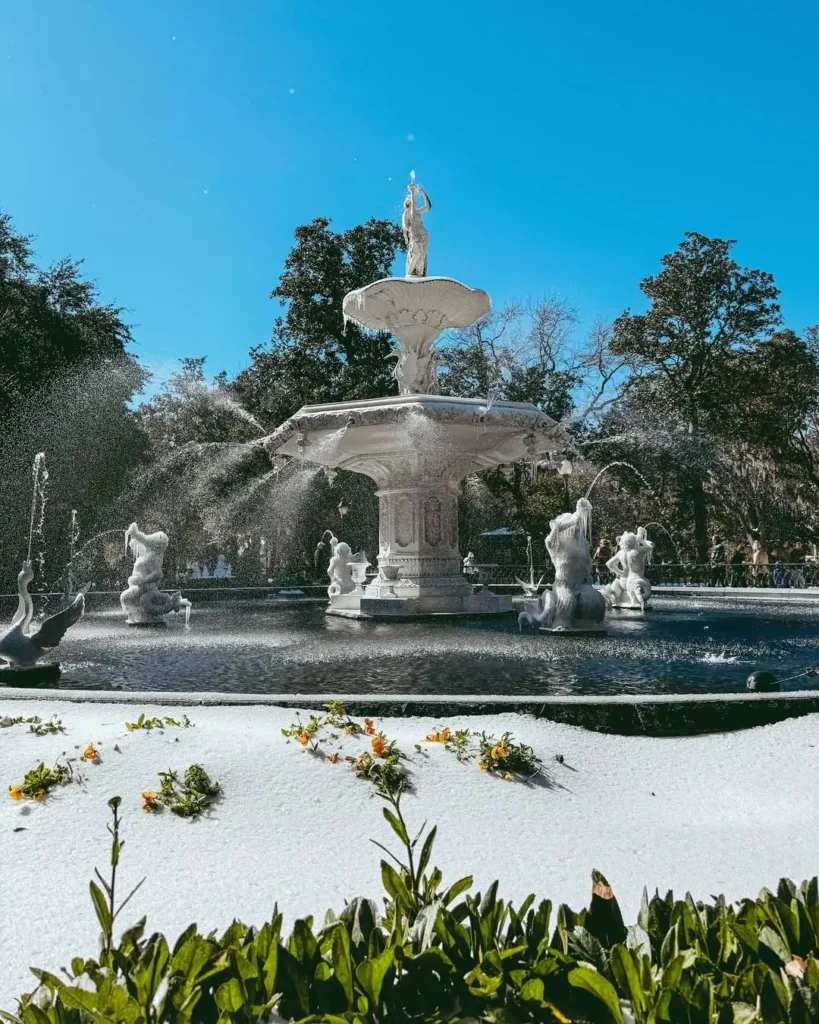
Photo Credit: @seeandsavorsavannah (Instagram)
Stay wrapped in history. The Marshall House brings creaky floors, tall windows, and Broughton Street at your feet. Prefer the river? Olde Harbour Inn slips you into a 19th-century warehouse just off the river. Quiet. Atmospheric. Steps from the water.
Book The Grey for dinner—Southern classics remixed in an Art Deco Greyhound station, all heart and finesse.
Winter seals the deal. Prices dip. Tables open up. And every blue hour under the moss feels a little bit like a movie.
Pro tip: Aim your blue-hour photos at the Forsyth Fountain. Then duck underground to Alligator Soul. It’s cozy, creative, and very Savannah.
Destination 3: New York City, New York — Iconic Urban Wonderland
- Average Weather: ~45°F / 32°F
- Why Winter: Winter takes the edge off New York. Crowds thin. Rooms drop. Broadway Week rolls in with 2-for-1 tickets, and suddenly the city feels wide open.
Start outside if it snows. Central Park turns cinematic. Lace up at Wollman Rink. Glide with the skyline over your shoulder.
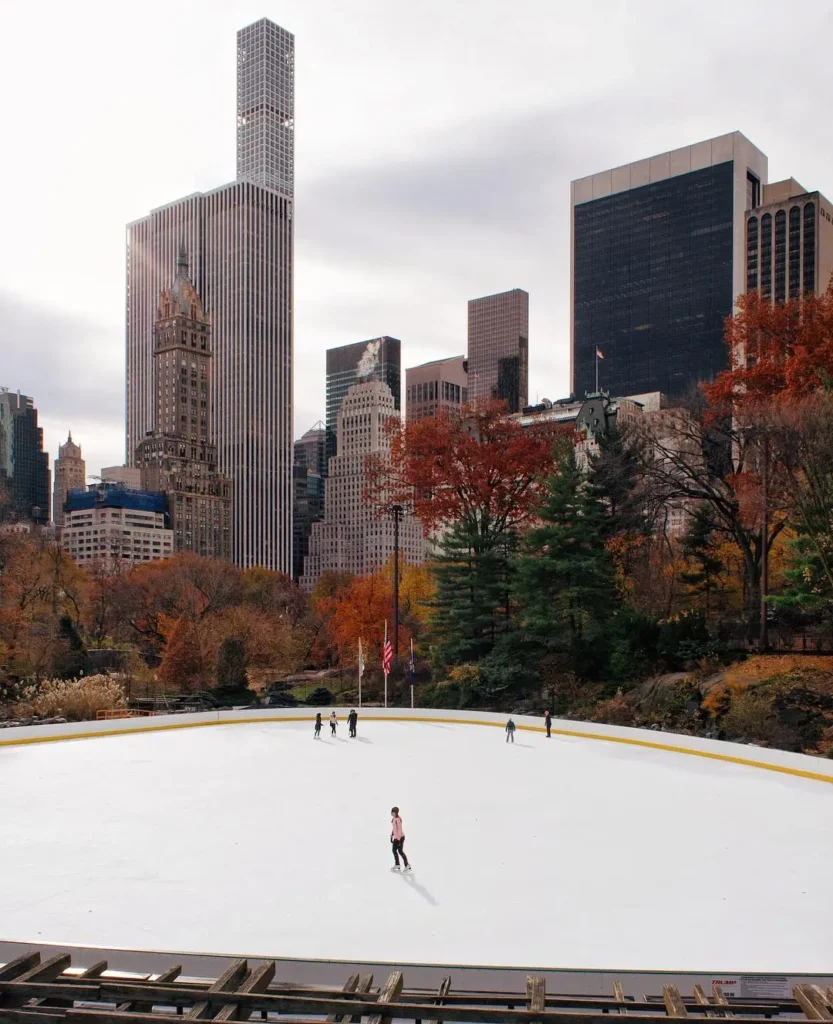
Photo Credit: @tom.white (Instagram)
When the cold nips, head inside. The Met. MoMA. AMNH. Take your time. No summer crush. Just room to breathe. If you’re here in December, chase the sparkle. Saks’ windows. The tree at Rockefeller Center. Fifth Avenue in full glow.
Pick a base that matches your rhythm. The Upper West Side is calm and close to the park. Morning coffee, quick museum hops, easy subway lines. Want the views? DUMBO gives you cobblestones, river walks, and that postcard skyline right outside your door.
Warm up downtown at Via Carota—the cacio e pepe, a Negroni, and that candlelit room are winter perfection.
Why winter works: better rates, better seats, better breathing room. You can actually get the table you want and the show you came for.
Pro tip: Book a matinee, then a late dinner. Walk the Brooklyn Bridge after dark. The lights, the river, the hush—it’s pure New York.
Destination 4: Key West, Florida — The Endless Southernmost Summer
- Average Weather: around ~75°F / 65°F. It feels like a gentle exhale. No heavy humidity. Just warm breezes and blue water, day after day.
- Why Winter: Winter is when Key West shines. You can stroll Old Town in a tee, linger on porches, and never rush the shade. By late afternoon, everyone drifts to Mallory Square. Street performers, conch fritters, and that famous sunset—fiery, showy, perfect.
Spend your days on the water. Snorkel the reefs. Sail a catamaran. Kayak the mangroves. Visibility is good, seas are calmer, and the sun stays kind. Back on land, wander the pastel streets—Duval to Fleming—ducking into cigar shops, galleries, and historic homes.
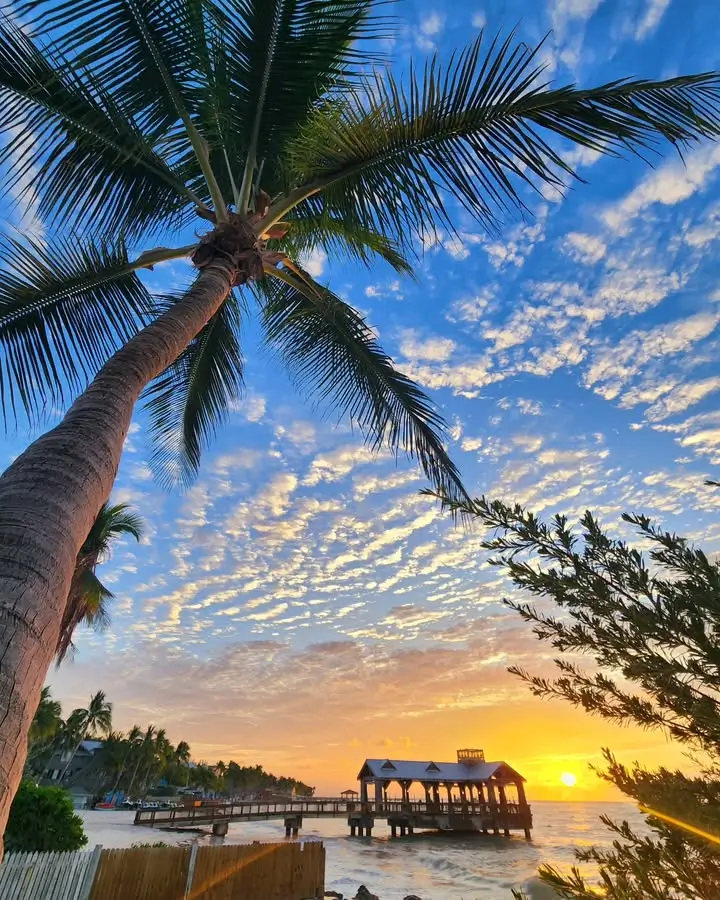
Photo Credit: @floridalust (Instagram)
Stay close to the action. A historic B&B in Old Town puts you on leafy lanes and near late-night Key lime pie. Prefer a pool and dock? Book a harborfront resort and watch schooners slide past at golden hour.
Start with brunch at Blue Heaven. It’s Caribbean-chic and lazy in the best way. Slide into Santiago’s Bodega later for small plates and a long pour. Then finish at Louie’s Backyard, watching the sky go pink over the water.
Winter here just works. No heavy heat. Sunsets feel like a nightly show. And the ocean is calm and calling, all day, every day.
Pro tip: sunset sails are the island’s hottest ticket. Reserve ahead—prime decks go fast when the sky’s putting on a show.
Destination 5: Oahu, Hawaii — Beaches, Hikes & Winter Surf
- Average Weather: ~77°F / 66°F
- Why Winter: Winter is prime Oahu. Humpback whales cruise the channels. North Shore waves put on a show. The air stays warm, the water inviting, and the sunsets go full technicolor.
Start easy in Waikiki. Swim in calm water, then hike Diamond Head for that classic crater-to-coastline view. (Heads up: timed entry reservations are required—book before you go.) Spend a half day at Pearl Harbor. The USS Arizona Memorial is moving and worth planning around ticket times.
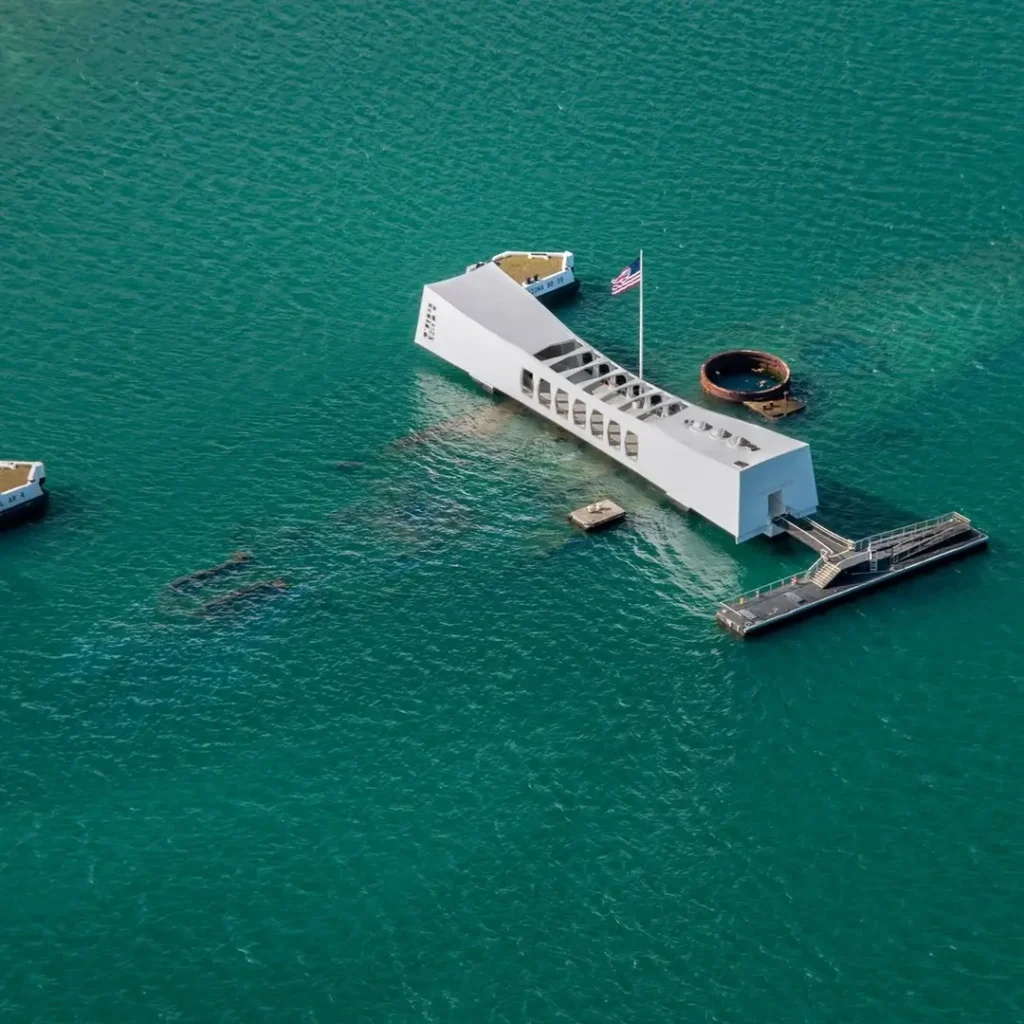
Photo Credit: @bluehawaiianhelicopters (Instagram)
Then point the car north. Get there early before the surf crowds stack up. Watch pros at Banzai Pipeline and Waimea Bay from the sand, not the break. Refuel the island way—shrimp plates from Giovanni’s, poke bowls from a mom-and-pop, shave ice at Matsumoto’s. If the whales are in, hop a whale-watching cruise; breaches are common in mid-winter.
Pick your base by vibe. Waikiki keeps everything effortless—beaches, buses, dining. Ko Olina brings lagoon-calm water and resort comforts on the leeward coast. Turtle Bay drops you straight into North Shore country. Sunrise walks. Starry nights. It feels wild in the best way.
Hungry? Go classic at Duke’s Waikiki on the beach. Skip the frills at Helena’s for old-school Hawaiian plates. Or slide into Monkeypod at Ko Olina for fresh, breezy island fare.
Winter nails it here. Whales roll through. The surf is world-class and best watched from shore. Days stay warm without that heavy summer humidity.
Pro tip: Tackle the North Shore in the morning. Traffic builds fast with spectators and surf comps, and parking at the famous beaches goes early.
Destination 6: Sedona, Arizona — Red Rocks with Snow-Dust Magic
- Average weather: ~55°F / 30°F
- Why Winter: Winter softens Sedona. Trails are cool. Crowds thin out. And when a light snow dusts the red rock, your photos go from great to unreal.
Start with the hits. Cathedral Rock rewards a short, steep scramble with big views. Boynton Canyon feels quieter and more immersive, with side trips to Subway Cave if conditions allow. Swing up to Airport Mesa for sunset. The whole valley glows. In between hikes, thaw out in a spa steam room and let your legs forgive you.
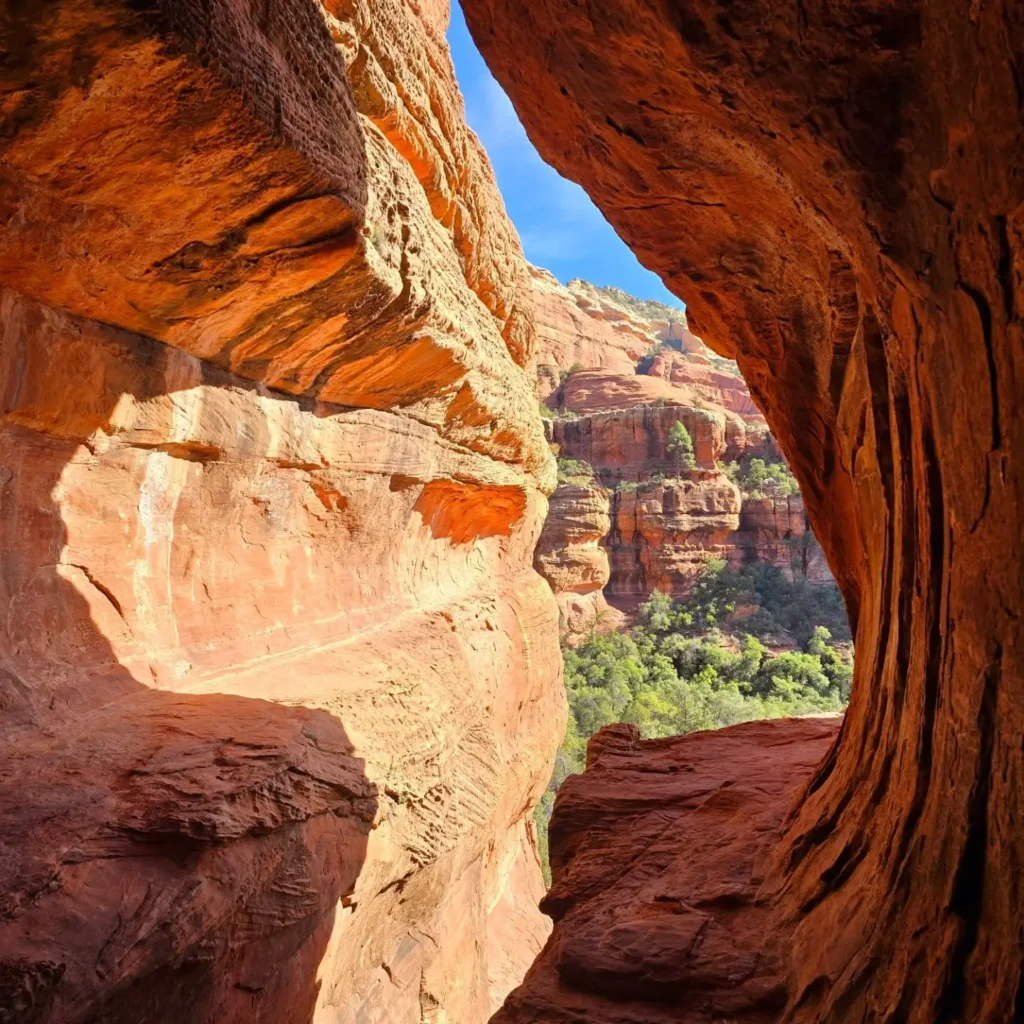
Photo Credit: @blb337 (Instagram)
Craving a view? Go to Mariposa. The red rocks glow while you linger over steaks and ceviche. Need something casual? Pisa Lisa does perfect wood-fired pies. For a cozy daytime stop, Indian Gardens hits the spot.
Base yourself where the vistas don’t quit. Enchantment Resort sits inside Boynton Canyon, so sunrise is basically room service. Prefer shops and restaurants at your doorstep? Pick a small boutique in Uptown and stroll to dinner.
Trail note: north-facing routes hold ice. Pack microspikes and warm layers. Your ankles will thank you.
Destination 7: Breckenridge, Colorado — Classic Alpine Winter
- Average Weather: ~30°F / 15°F
- Why Winter: Breck does winter right. Big mountain skiing by day. A lantern-lit Main Street by night. The cold is crisp, the snow is reliable, and the vibe is pure Rockies.
Start on Peak 8. Ride the free gondola up from town and lap groomers or dive into bowls when it dumps. Not a skier? Strap on snowshoes on Boreas Pass for quiet forest miles, or book dog sledding through Good Times Adventures for pure grin fuel. Families love the sledding hill at Carter Park. Everyone loves a brewery warm-up—try Broken Compass or Breckenridge Brewery after last chair.
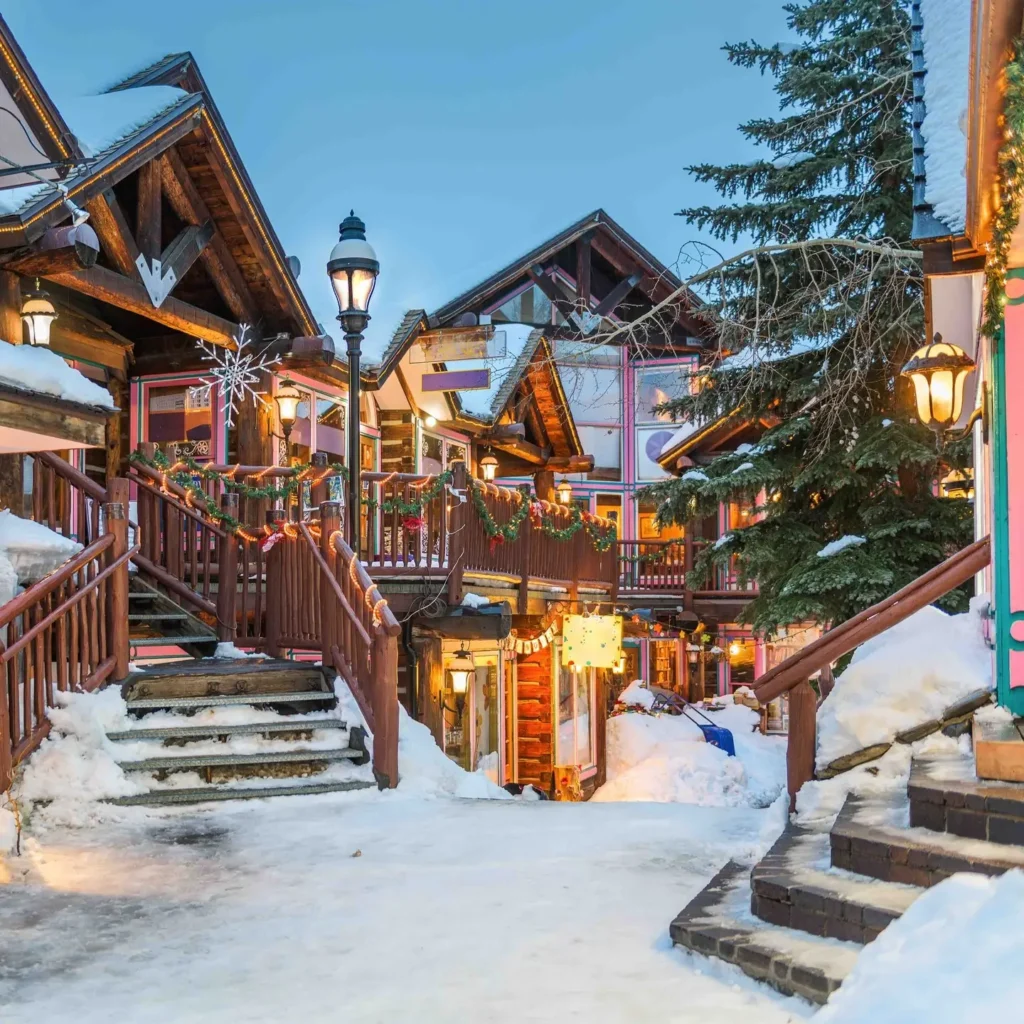
Photo Credit: @naturalretreats (Instagram)
Stay slopeside to click in and go, or base along Main Street for firelit lounges and easy dinner strolls. The whole town is walkable and the free bus makes car-free simple. Rentals get busy—reserve skis/boards ahead, and consider picking up the night before.
Why winter works: world-class terrain, reliable snow, and a historic downtown that feels made for cocoa and cozy dinners.
Pro tip: Breck sits around 9,600 feet. Arrive a day early, hydrate like it’s your job, and take the first morning easy. Your legs (and lungs) will thank you.
Destination 8: Death Valley National Park, California — Desert Done Right (in Winter)
- Average weather: ~67°F / 40°F
- Why Winter: Winter unlocks the park. Trails are safe. Views are sharp. You can actually linger without the furnace blast. Wake early for Zabriskie Point—those badlands glow. Roll on to Badwater Basin and wander the salt polygons at the continent’s low point. Climb Mesquite Flat Sand Dunes near Stovepipe Wells for wind-carved ridges and long shadows. Then cruise Artist’s Drive for the mineral-paint pastels of Artist’s Palette before golden hour.
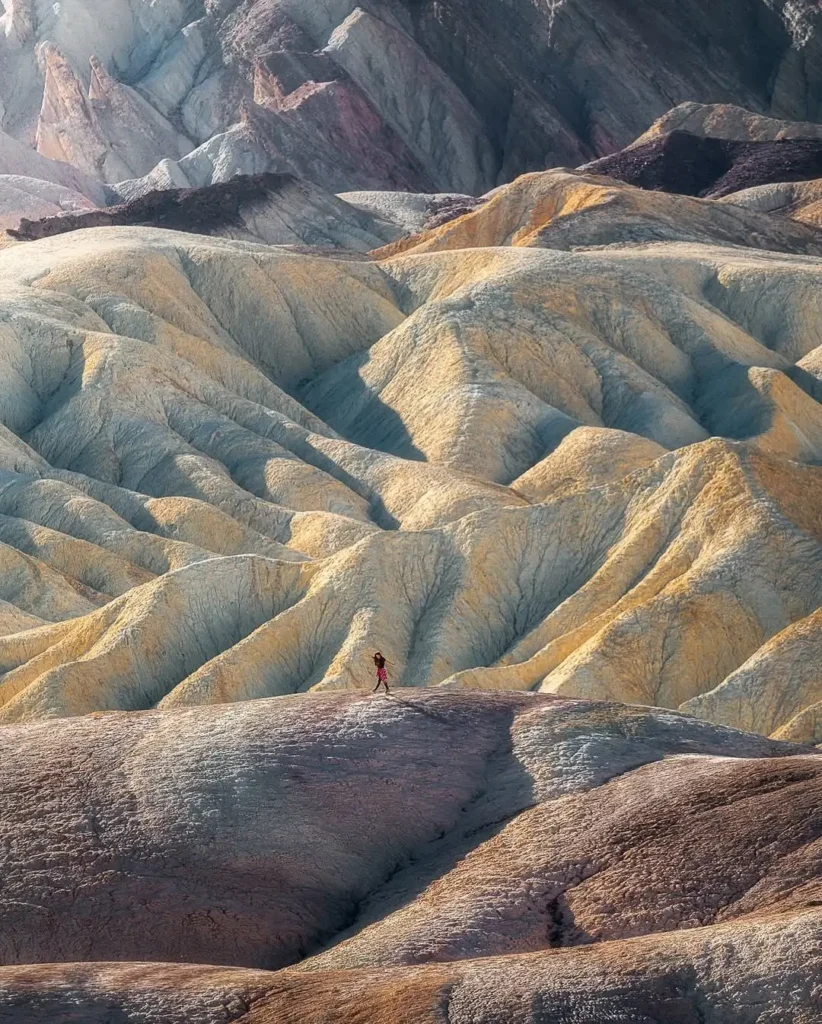
Photo Credit: @travel_tips_usa (Instagram)
Base yourself at The Oasis at Death Valley in Furnace Creek—the Inn for classic desert romance, the Ranch for easy access and family vibes. You’re central to everything, from Dante’s View to Golden Canyon–Gower Gulch. Cell service is thin, gas is scarce, and distances are bigger than they look. Top up often. Carry more water than you think you need.
Why winter works: mild days for big hikes, cool nights, and crystal skies that turn into an observatory after dark.
Pro tip: pack layers. Mornings bite a little. Afternoons warm fast. After sunset, the desert drops the floor. Bring layers. And if the moon is new, stay out. The Milky Way feels close enough to touch.
Plan smart. Flights land best when you book about two months out. Add extra lead time if you’re flirting with holiday weeks. You need a car here—no way around it—so reserve early. If your trip mixes in snow, pick flexible tickets or travel insurance that covers storms.
Tread light: refill your bottle, skip single-use plastics, and use reef-safe sunscreen if you’re pairing this with Hawaii or Florida. Choose stays with real sustainability chops. And download offline maps before you roll into the park. Your signal won’t save you.
Leave a Comment