
I’ve seen classrooms in tiny mountain towns. Spent hours in university libraries that smelled like ambition and old paper. Watched students sprint for trains with textbooks under one arm and a sandwich in the other. Education looks different everywhere. But in these ten countries? It’s in the bones.
These nations don’t just value knowledge. They invest in it, live by it, and shape the world with it.
Let’s go.
10. Finland
This place rewrote the education rulebook—and then lit the old one on fire. School starts at age seven. Kids play more, memorize less. And somehow, they still outscore most of the world.
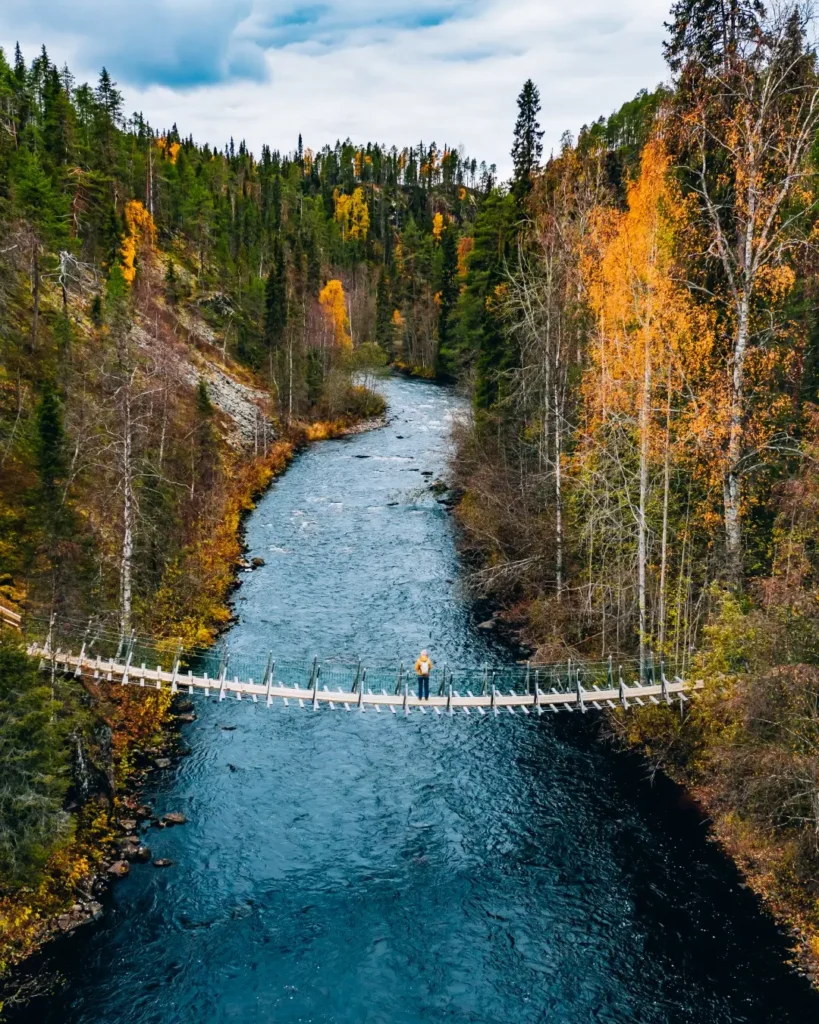
Photo Credit: @logitravelfr (Instagram)
No cramming. No standardized test insanity. Just small classes, smart teachers, and curiosity baked into every subject. Almost half the population holds a degree. And university? Free if you’re from the EU. Dirt cheap if you’re not.
Finland proves you don’t need grind culture to build brilliance. You just need trust, time, and teachers who actually love what they do.
9. South Korea
If dedication had a national mascot, it’d wear a school uniform. South Korea runs on academic hustle. Kids are in class, then in after-school tutoring, then studying past midnight.

Photo Credit: @planetairlines (Instagram)
It’s a pressure cooker—but one that turns out results. The literacy rate is nearly perfect. Test scores are sky-high. And university entrance rates are among the best on Earth.
Engineering, robotics, biotech—Korean universities dominate in all of it. Seoul National, KAIST, POSTECH—they’ve built the backbone of a tech-powered economy.
It’s intense. Sometimes overwhelming. But the results? Undeniable.
8. Canada
Canada doesn’t need to shout about how educated it is. The numbers speak for themselves. Over 60% of adults hold tertiary degrees. That’s the highest anywhere.
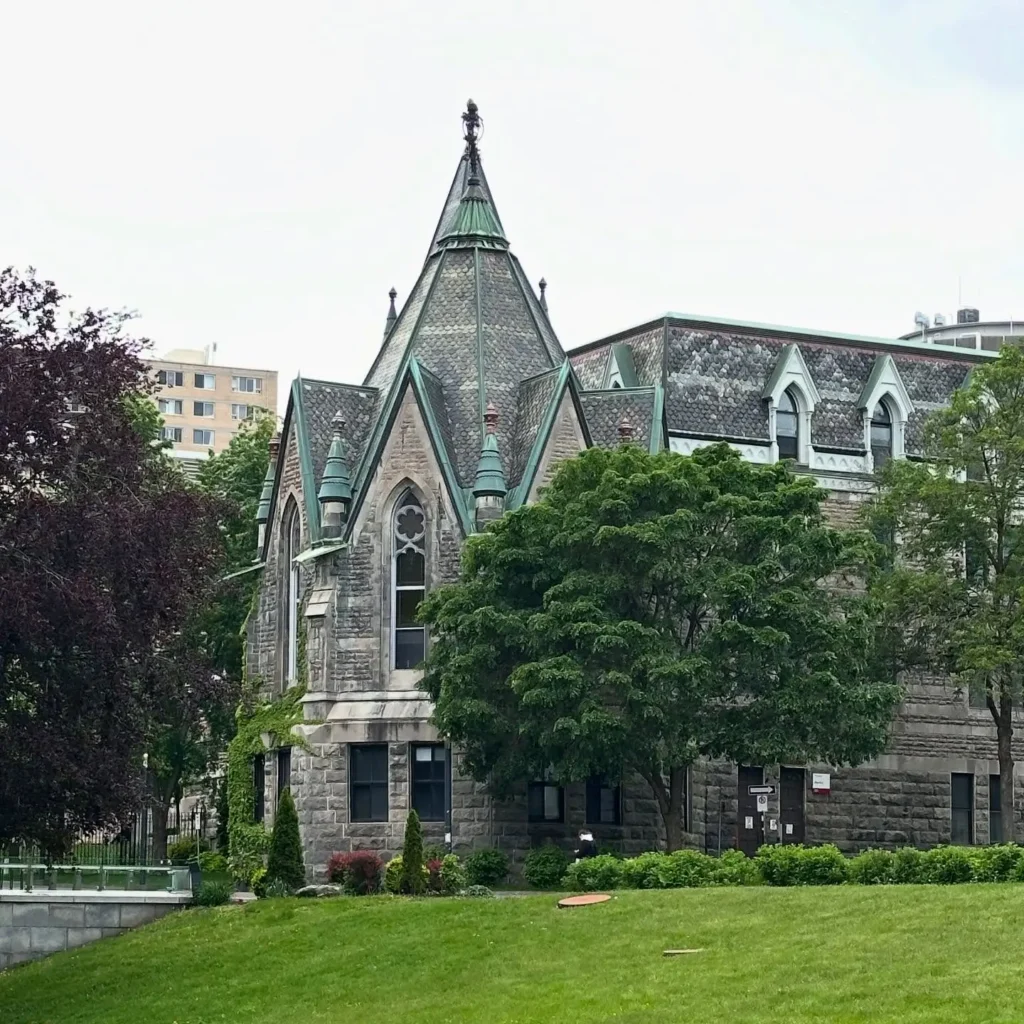
Photo Credit: @greeneyes0526 (Instagram)
Public education is strong. Accessible. Bilingual. Students grow up learning in English, French, or both, without sacrificing quality. And the universities: McGill, Toronto, UBC. Leaders in AI, environmental science, and public health.
International students flock here, and many stay. Because the system works, it’s fair, open, and built on inclusion.
7. Singapore
Singapore runs like a machine—but one built for humans. Every piece of the education system is planned. Precise. But never robotic.
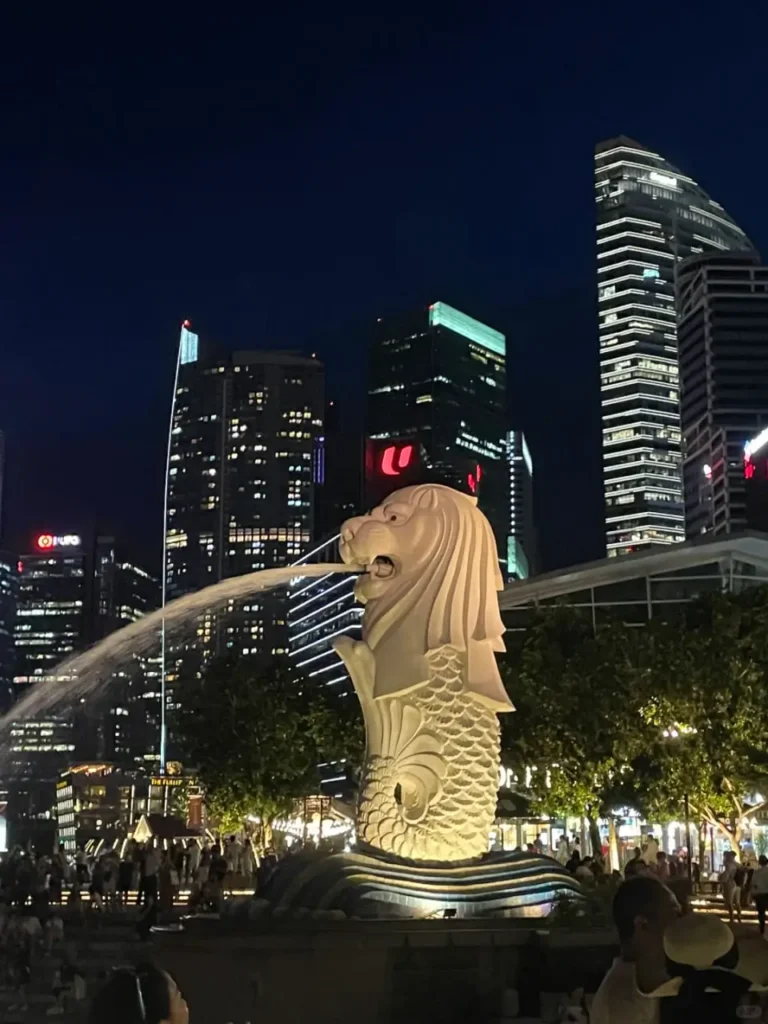
Photo Credit: @lucaschua_sg23 (Instagram)
Teachers are handpicked from the top of their class and trained relentlessly. Bilingual education starts early. Technology is everywhere. And expectations are high—for everyone.
Singapore scores top marks in global tests. Their universities, like NUS and NTU, rank right up there with the world’s best.
It’s not just about facts. Students are taught to create, collaborate, and challenge. The system isn’t just producing grads—it’s producing visionaries.
6. Germany
Germany doesn’t do fluff. Their education system is direct, efficient, and brutally effective. University – Free. For Germans. For foreigners. Doesn’t matter. If you qualify, you’re in.
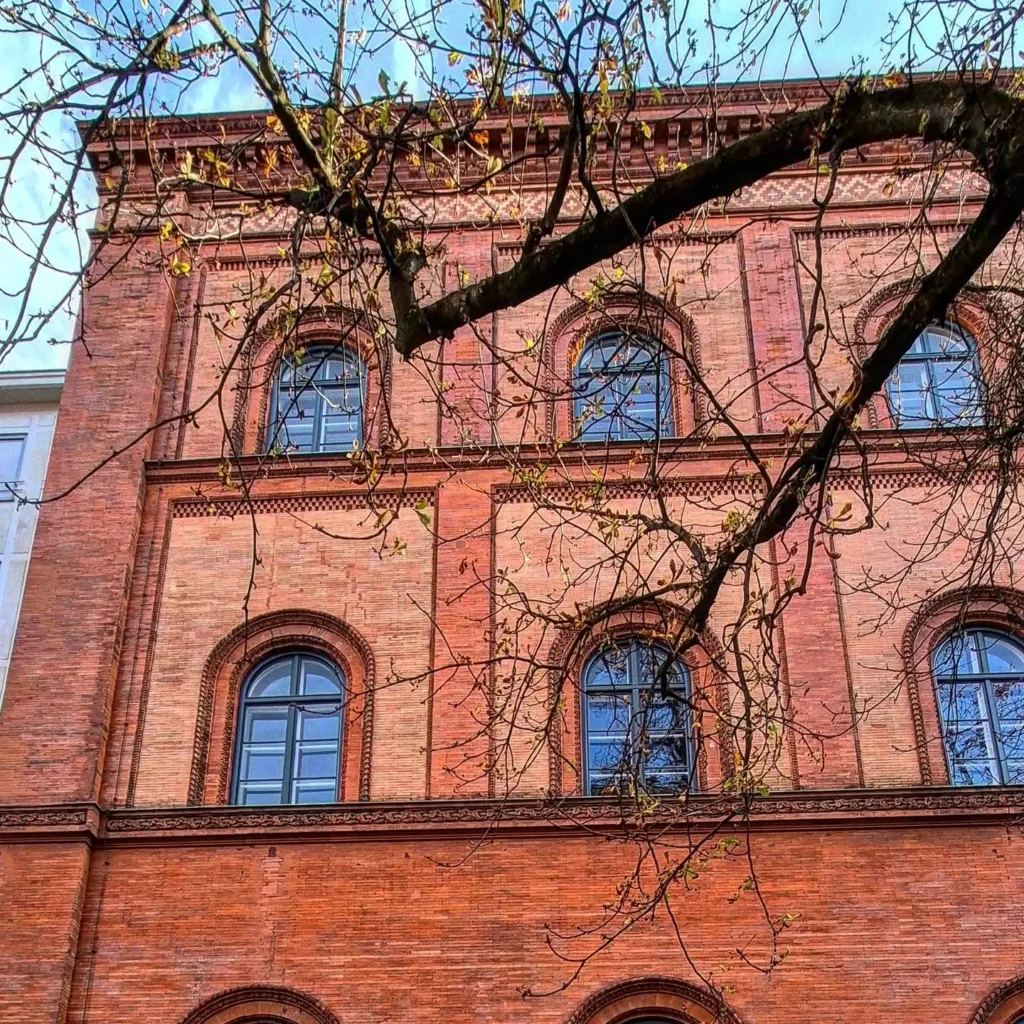
Photo Credit: @stranningerkathrina (Instagram)
But here’s the twist—Germany respects both academia and hands-on skills. The dual education system blends classroom learning with real-world training.
It’s one of the reasons youth unemployment is so low. Students graduate ready to work—engineers, lab techs, auto specialists.
And research? It’s everywhere. LMU Munich, Heidelberg, the Max Planck Institutes—Germany funds breakthroughs like it’s a national sport.
5. Australia
Australia feels relaxed. The education system isn’t. It’s sharp, structured, and ambitious.
Literacy rates are nearly perfect. Over half the population has a degree. And universities like ANU and Melbourne sit comfortably in global top 50 lists.
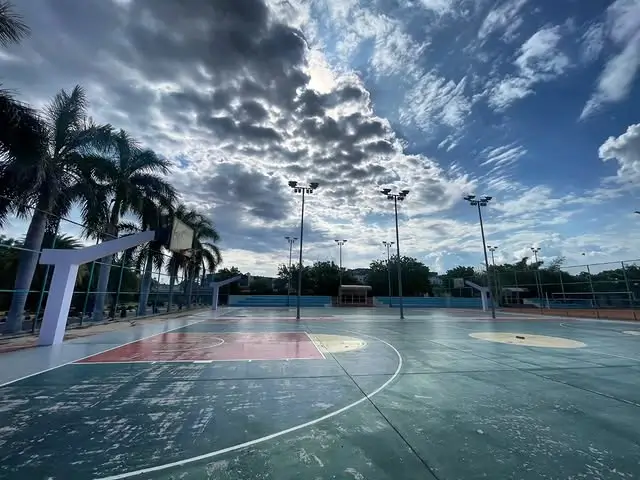
Photo Credit: @krgi_clicks (Instagram)
There’s balance, though. Vocational training is huge here. You don’t need a PhD to succeed—just the right skills.
And the diversity? That’s the secret weapon. Over 700,000 international students choose Australia for a reason. The mix of cultures, ideas, and experiences turns classrooms into launchpads.
4. Japan
Japan doesn’t just teach kids. It shapes them. Discipline starts early. Respect is part of the curriculum. By the time they hit high school, students are scoring off the charts in math, reading, and science.
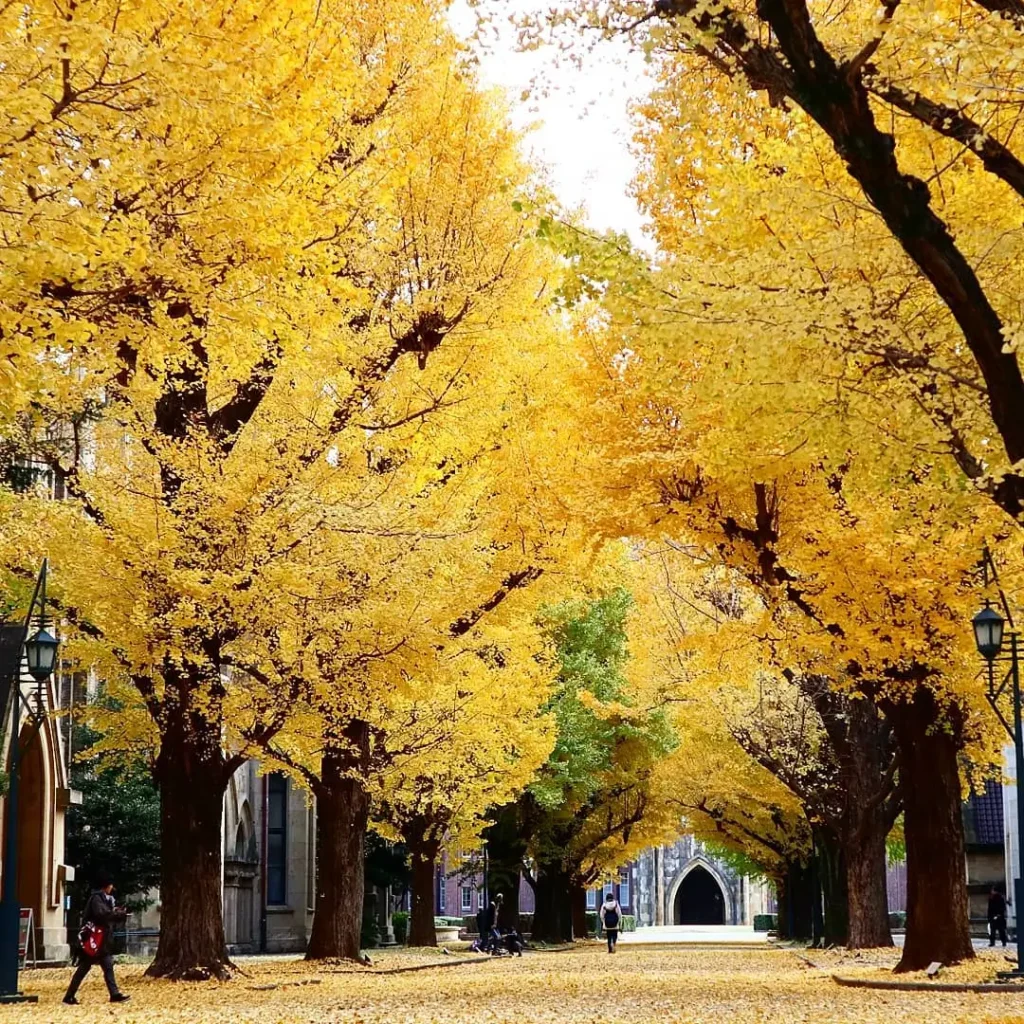
Photo Credit: @yukiko7011 (Instagram)
University is competitive, but once you’re in, it’s a whole world. Tokyo, Kyoto, Osaka—big names doing big things in robotics, biotech, and clean energy.
Japan’s real strength is consistency. From kindergartens to research labs, the standards are sky-high. And the culture pushes you to meet them—with grace.
3. United States
The U.S. is a paradox. Wildly inconsistent, sometimes frustrating—but a global heavyweight in education. Public schools – Hit or miss. Higher education – Unmatched.
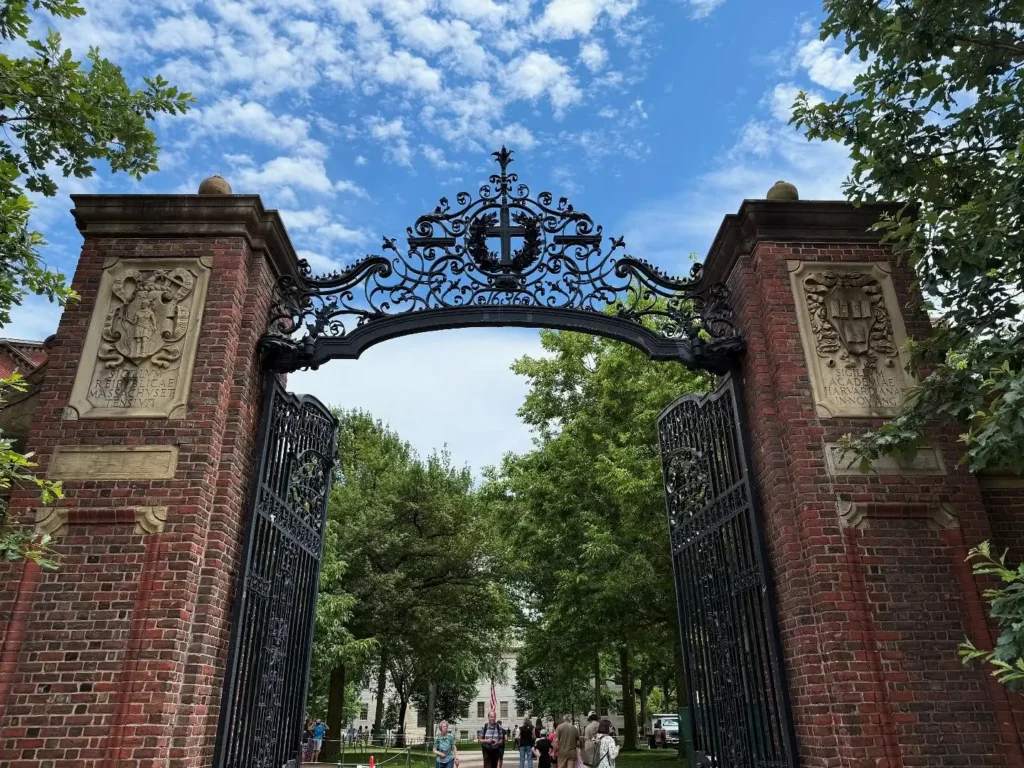
Photo Credit: @thejoshuabarger (Instagram)
Harvard, MIT, Stanford—these schools aren’t just famous. They define entire industries. Research, innovation, medicine, tech—so much of it starts here.
Over a million international students come every year. Because for all its flaws, the U.S. offers opportunity. Real, world-changing opportunity.
And when it works, it works big.
2. Switzerland
Switzerland doesn’t brag. It builds. Education here blends theory and practice. The dual-track system is brilliant—academic for some, vocational for others. Both respected. Both effective.
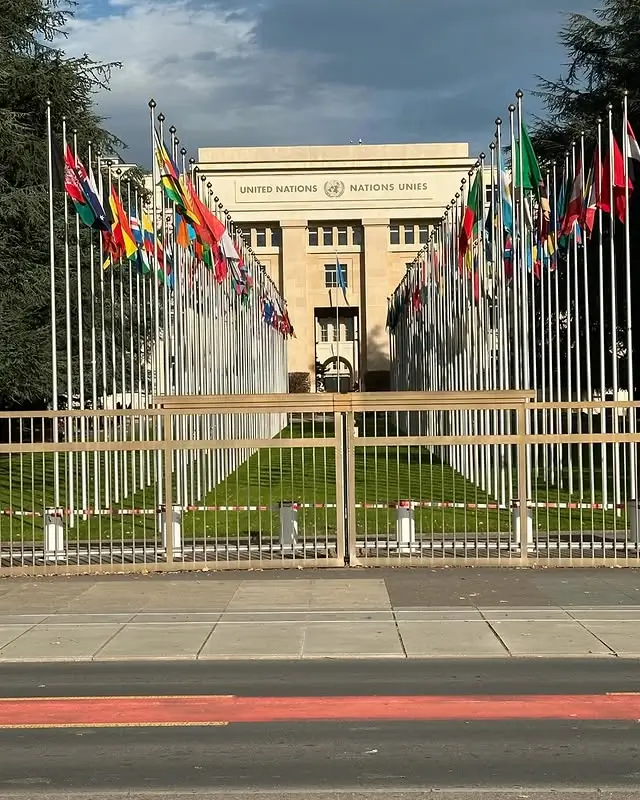
Photo Credit: @renewingheartstraining (Instagram)
ETH Zurich and the University of Geneva are scientific giants. And teaching happens in four languages.
Switzerland invests heavily in research and lifelong learning. That’s why its workforce stays sharp—engineers, scientists, bankers, medics. All trained for the real world.
It’s not just about intellect. It’s about precision. And pride in doing things right.
1. Norway
Norway earns the top spot without breaking a sweat. Education is free. From preschool to PhD. That’s not just policy—it’s philosophy.

Photo Credit: @hege__mor (Instagram)
Nearly half the population holds a degree. Literacy? Nearly universal. Teachers are experts. Class sizes are small. And students are treated like actual people—not data points. The focus isn’t test scores. It’s critical thinking. Well-being. Creativity.
Universities in Oslo, Bergen, and Trondheim lead in energy, health, and sustainability research. The government pours over 7% of its GDP into education.
Norway proves that if you remove barriers and trust the process, brilliance follows.
Final Thoughts
These countries don’t all teach the same way. Some are high-pressure. Some are free-spirited. But they share one thing: they believe education is power.
And they build systems that prove it. A world led by thinkers, doers, and dreamers who learned how to think for themselves—and then did something with it.
Leave a Comment