Here’s the truth—it depends.
I’ve felt fine with 45 pounds in a well-fitted pack. I’ve also felt destroyed carrying 30 in one that didn’t fit right. So it’s not just about weight. It’s about comfort, fit, and how you hike.
Your backpack should weight under 15–20% of your body weight. Aim for 10–20 pounds of base weight if you want a number.
But more importantly—carry what lets you move, sleep, and smile without pain. Ultralight isn’t the goal. Enjoying your trip is.
That’s the real conversation. Let’s get into it.
What Is Ultralight Backpacking, Really?
I used to wonder what “ultralight” even meant. No one hands you a rulebook when you start hiking. People say ultralight means a base weight under 10 pounds. That’s everything in your pack—except food, water, and fuel.
Seems simple. But even that changes. Thirty years ago, someone with a 35-pound pack might’ve been called ultralight.
Now? People would laugh.
Gear’s gotten lighter. Smarter. Fabrics have changed. Designs have improved. So the number keeps shrinking.
Ten pounds used to be a goal. Now it’s the baseline. Soon, it might be “too heavy.” But here’s the thing—there’s no real authority.
No weight police. No committee deciding what counts.
So yeah, you can chase that 10-pound target. Or you can just carry what makes sense for your trip. To me, that’s what matters.
The Three Key Questions to Ask Yourself
1. What Kind of Backpacking Are You Doing?
Most of us aren’t thru-hikers. We’ve got jobs. Families. Schedules. Maybe we hit the trail once or twice a year. That’s me.
So, what are you?
Weekend hiker? Then don’t sweat your base weight too much. Bring that camp chair. Pack the good food. You’re out there to enjoy.
Section hiker? You’re probably out for a few days. You might resupply. So you’ll want to trim a little weight.
Thru-hiker? That’s a different game. Weight matters. Every ounce. You need to move fast, stay efficient, and keep your body from falling apart.
Different trips, different rules.
2. What Kind of Shape Are You In?
Let’s be honest—this matters.
If you’re athletic, you can carry more. If you’re recovering from injury, or just getting started, less is better.
I’ve hiked with people who fly up hills with a full load. I’ve also seen folks get crushed under 25 pounds.
Also think about your group. You’ll move at the pace of the slowest person, the heaviest pack. So know your limits. And know theirs too.
3. Are the Miles Important to You?
What’s your goal? Cranking out 20-mile days? Or sipping coffee by a lake?
Some folks want to push limits.
Others want to hang with friends and take photos. I hike with my kids sometimes. We do 4 miles, maybe 5. It’s not about distance—it’s about being there.
If miles don’t matter, comfort might. If miles do matter, every ounce counts.
Why you’re out there shapes what you carry. Don’t let anyone tell you otherwise.
Don’t Buy Your Backpack First
Big mistake I see all the time—people buy the pack first. Lightest one they can find. Looks cool. Feels high-tech.
Then they load it up with bulky gear and wonder why their back hurts three miles in. Here’s the move: build your kit first. Tent, sleep system, stove, layers. Everything you actually need.
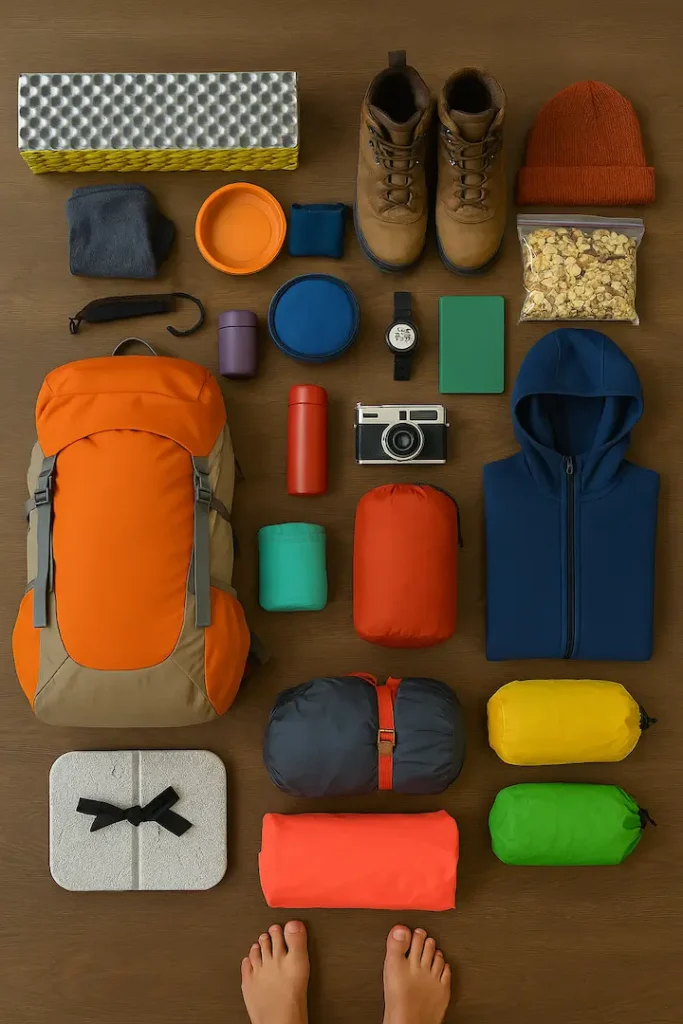
Then buy the pack that fits all that. Too many folks buy an ultralight pack rated for 25 pounds, then stuff it with 40. That’s a recipe for misery.
Trust me—fit matters more than weight. A heavier pack that carries well beats a light one that chews up your shoulders.
Ultralight Gear Isn’t Always Better
I’ve carried 45 pounds in a 5-pound pack and felt great. I’ve carried 30 pounds in a 2-pound pack and felt wrecked.
That’s not about weight. That’s about comfort. Ultralight gear sounds great—until it isn’t. Less padding. Fewer adjustments. Sometimes it just doesn’t fit right.
If your back, shoulders, or hips are screaming, does it really matter that you saved a few ounces? I’ve tried the top ultralight packs.
Some worked. Some didn’t. My favorite pack right now is heavy. And I love it.
Because at the end of the day, I want to enjoy the hike. Not count down the miles until I can take my pack off.
Smart Ways to Cut Weight Without Sacrificing Comfort
You don’t have to suffer to go lighter. Just be smart about where you cut.
Start with your stove
I dropped my old setup and grabbed a 2-oz ultralight stove with a small cook pot. Same meals, way less weight.
Next up—water
Big filters are heavy. I switched to Aqua Tabs and a BeFree. Works great. And those heavy Nalgene bottles? Gone. I carry Smartwater bottles now. Light, cheap, and tough enough.
Food is a big one
I used to pack way too much. Now I count calories, focus on dense foods—nuts, dehydrated meals, dark chocolate. Not just lighter, but smarter.
Clothing—layer smart
One good base layer, one mid, one shell. That’s it. Skip the “just in case” extras. Compressible gear saves space and weight.
Your tent is a golden opportunity
I moved to a 16 oz one-person tent. Still sleeps great. Still keeps me dry. That was an easy win.
Be careful with sleep gear
This is where I don’t go ultralight. I need rest. I’ll carry a few extra ounces for a warmer bag or better pad. Sleep is non-negotiable.
Cut weight where you can. But don’t cut the stuff that keeps you comfortable.
Water Strategy Can Make or Break You
Water is heavy. Over two pounds per liter. And I used to carry three, just in case.
Now? I plan better.
I use apps like FarOut and OnX to scout water sources ahead of time. If I know I’ll hit a stream in a few miles, I don’t need to lug three liters. I carry one, refill as needed.
Smartwater bottles changed the game.
They’re light, tall, and tough. I ditched Nalgenes—they’re built like tanks but weigh like them too. No regrets.
The key is preparation. Know where the water is, carry what you need, and stop hauling more than you have to.
It’s not about being brave—it’s about being smart.
How to Calculate Your Backpack Weight
You don’t need a spreadsheet or fancy app. Just a scale and five minutes.
Step 1: Know Your Base Weight
This is everything in your pack except food, water, and fuel.
Weigh it all together or piece by piece—tent, sleep system, clothes, stove, etc.
Step 2: Add Consumables
Food: Around 1.5–2 pounds per day.
Water: 2.2 pounds per liter.
Fuel: Depends on your stove, but round up to stay safe.
Step 3: Add It All Up
Base weight + food + water + fuel = total pack weight.
Quick Example:
-
Base weight: 15 lbs
-
3 days of food: 6 lbs
-
1.5 liters of water: ~3.3 lbs
-
Fuel: 0.5 lbs
Total: ~24.8 lbs
Now ask yourself—can you carry that comfortably?
If not, tweak. Cut weight where it won’t hurt—extra clothes, bulky food, heavy cook gear. Keep the stuff that keeps you safe and happy.
That’s your number. No one else’s.
Comfort Wins
I’ve carried 45 pounds in the Bridger and felt great. I’ve carried 30 in the Hyperlite and felt wrecked. It’s not about numbers. It’s about how the pack fits your body.
The Bridger spreads weight—hips, shoulders, back. The Hyperlite? All on my shoulders. Fit beats weight every time. A few extra pounds don’t matter if you’re not in pain.
Leave a Comment