

Venturing into the verdant wilderness, one might wonder, “What bounties could Mother Nature be hiding in her vast, green pantry?” The answer, dear reader, is a cornucopia of edible delights waiting to be discovered by the intrepid forager. From leafy greens to crunchy critters, the wild is teeming with sustenance for those who know where to look. So, let’s embark on this gastronomic adventure together, shall we?
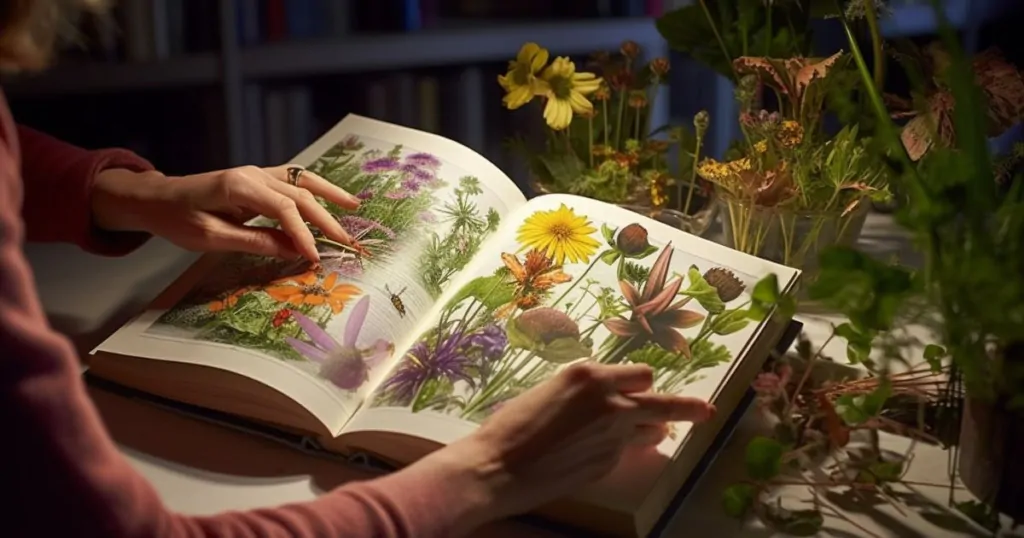
The Art of Foraging
Foraging, the age-old practice of gathering food from nature, is more than just a survival skill—it’s a way to connect with our ancestral roots, to understand our place in the natural world, and to appreciate the simple, yet profound, act of nourishing ourselves from the earth. But before you dash off into the underbrush, basket in hand, remember: knowledge is the key to a successful forage. 🗝️
Identifying Edible Plants
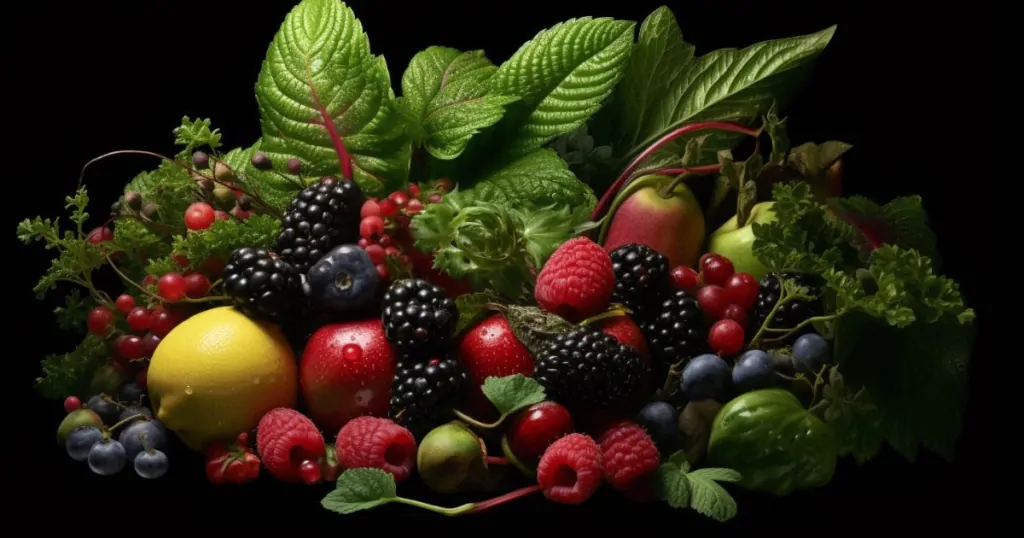
Plants, the primary producers in our planet’s food chain, offer a diverse array of edible options. However, not all that glitters is gold, and not every green leaf is a salad waiting to happen. Identifying edible plants is a skill that requires patience, practice, and a keen eye for detail.
Leafy Greens
From the common dandelion to the exotic purslane, leafy greens are some of the easiest plants to identify and forage. They’re also packed with nutrients, making them a valuable addition to any forager’s diet. But beware of look-alikes! Some harmful plants can masquerade as harmless greens. Always double-check your finds before you dig in.
Fruits and Berries
Who can resist the allure of a juicy berry or a ripe fruit plucked straight from the tree? Fruits and berries are nature’s candy, but they can also be nature’s poison. Some, like the blackberry, are safe and delicious, while others, like the deadly nightshade, are as dangerous as they are delectable. Remember: when in doubt, leave it out!
Roots and Tubers
Below the surface, the earth hides a treasure trove of edible roots and tubers. These underground delicacies, like wild carrots and cattail roots, can provide a hearty meal for the diligent digger. But caution is the watchword here: many edible roots have toxic twins, so accurate identification is crucial.
Identifying Edible Insects
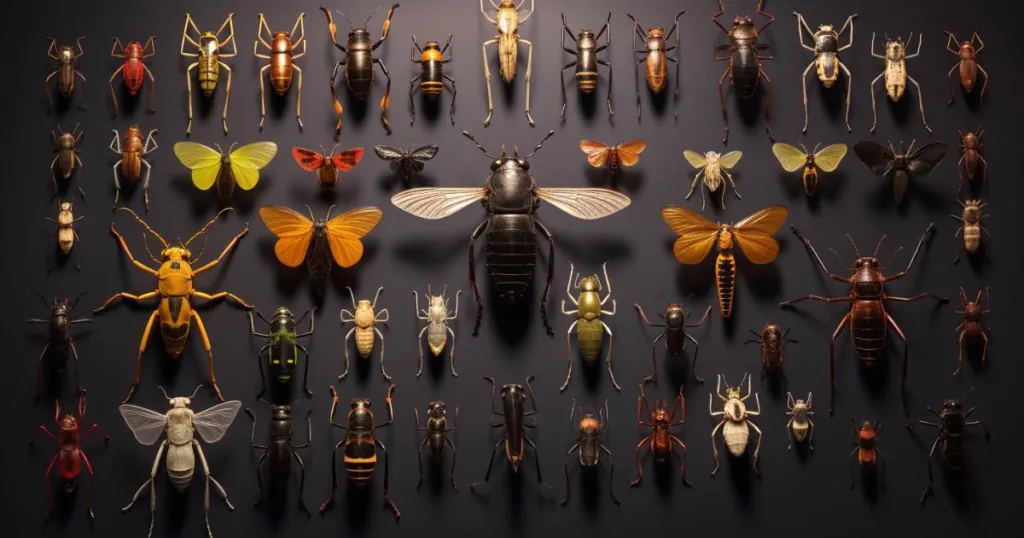
Now, let’s move on to a less conventional, but equally important, source of wilderness sustenance: insects. Yes, you read that right! Insects. They’re a staple in many cultures around the world, and for good reason. They’re rich in protein, easy to find, and surprisingly tasty—if you can get past the initial ‘ick’ factor, that is.
Beetles and Grubs
Beetles and their larvae, commonly known as grubs, are the beefsteak of the bug world. They’re large, plentiful, and packed with protein. Look for them under logs, in rotting wood, or in the soil. But remember, not all beetles are created equal. Some species, especially brightly colored ones, can be toxic. As with plants, careful identification is key.
Ants and Termites
Ants and termites might be tiny, but they’re a big source of nutrition. They’re rich in protein and other essential nutrients, and their colonies can provide a veritable feast for the forager. But beware: some ants and termites can bite or sting, so handle with care. And remember, it’s best to cook them before eating to neutralize any potential toxins.
Crickets and Grasshoppers
Crickets and grasshoppers, with their mild flavor and crunchy texture, are a great introduction to the world of edible insects. They’re also easy to catch, making them a favorite among beginner foragers. But be sure to remove their legs and wings before cooking, and always cook them thoroughly to kill any parasites.
Safety Precautions

Foraging can be a rewarding and enjoyable activity, but it’s not without its risks. Here are some safety precautions to keep in mind:
- Never eat a plant or insect unless you’re 100% sure it’s safe. When in doubt, leave it out!
- Always wash your finds thoroughly before eating. This helps remove dirt, pesticides, and potential parasites.
- Be aware of your surroundings. Watch out for poisonous plants, venomous animals, and other hazards.
- Respect nature. Only take what you need, and leave no trace behind. 🌍
Remember, foraging is not just about finding food—it’s about connecting with nature, learning about our environment, and appreciating the bounty that the earth provides. So take your time, be safe, and enjoy the journey. Happy foraging!
Foraging Tools and Techniques
Armed with knowledge, it’s time to gear up! A successful foraging expedition requires a few essential tools. A sturdy basket or bag for your finds, a good field guide for identification, and a digging tool for those hidden underground treasures are all must-haves. Don’t forget a pair of gloves to protect your hands, and a container for insects if you’re planning to catch some critters.
When foraging, use all your senses. Look for changes in the landscape that might indicate the presence of edible plants or insects. Listen for the sounds of birds or insects that might lead you to a food source. Touch the plants and insects to learn their textures. Smell them to detect any unusual or distinctive odors. And, of course, taste them—but only after you’ve positively identified them as safe to eat!
Preparing Your Foraged Finds
Once you’ve gathered your wild bounty, it’s time to prepare it for the table. Cooking methods can vary widely depending on what you’ve found, but here are a few general tips:
- Leafy greens can be washed and eaten raw, cooked like spinach, or used to make tea.
- Fruits and berries can be eaten raw, cooked into jams or pies, or used to flavor drinks.
- Roots and tubers should be washed, peeled, and cooked thoroughly. They can be boiled, roasted, or used in soups and stews.
- Insects should always be cooked before eating to kill any potential parasites. They can be roasted, fried, or even ground into a protein-rich flour.
Remember, the goal is not just to survive, but to thrive! With a little creativity, you can turn your foraged finds into delicious, nutritious meals. Bon appétit! 🍽️
Uninvited Guests: Dangerous and Inedible Plants and Insects
While the wild offers a smorgasbord of edible delights, it also harbors its fair share of dangerous and inedible plants and insects. Knowing what to avoid is just as important as knowing what to eat. Let’s delve into the darker side of the forest’s pantry, shall we?
Dangerous Plants
Some plants, while beautiful to behold, are best admired from a distance. These botanical bad boys can cause everything from mild irritation to severe poisoning if ingested.
Poison Ivy, Oak, and Sumac
These notorious plants are known for their skin-irritating properties. While not typically fatal if ingested, they can cause severe allergic reactions, including painful rashes, swelling, and difficulty breathing.
Deadly Nightshade
As its name suggests, this plant is not to be trifled with. Its berries may look tempting, but they’re packed with toxic compounds that can cause hallucinations, convulsions, and even death.
Hemlock
Both water hemlock and poison hemlock are extremely toxic. Ingesting even a small amount can lead to severe poisoning, characterized by abdominal cramps, nausea, and potentially fatal respiratory complications.
Dangerous Insects
Just as with plants, not all insects are safe to eat. Some can sting or bite, while others carry diseases or are simply indigestible.
Wasps, Bees, and Hornets
While some cultures do eat these insects, they’re generally best avoided due to their painful stings. Plus, many people are allergic to their venom, which can lead to severe reactions.
Colorful and Brightly Patterned Insects
In the insect world, bright colors often serve as a warning sign. Many colorful or brightly patterned insects are toxic or distasteful to predators, making them a risky choice for foragers.
Disease-Carrying Insects
Some insects, like mosquitoes and ticks, can carry diseases that can be transmitted to humans. While these insects are not typically eaten, it’s important to protect yourself from bites when foraging.
Frequently Asked Questions
1. How can I be sure a plant or insect is safe to eat?
The only surefire way is through accurate identification. Use a reliable field guide, and when in doubt, don’t eat it. It’s better to miss out on a potential meal than to risk poisoning.
2. Are all brightly colored plants and insects dangerous?
Not necessarily, but bright colors in nature often serve as a warning. Many toxic plants and insects use bright colors to deter predators. When in doubt, it’s best to avoid brightly colored specimens.
3. Can I eat raw insects?
While some insects can be eaten raw, it’s generally safer to cook them first. Cooking kills potential parasites and makes the insects more digestible.
4. I have a food allergy. Can I still forage?
Yes, but you should be extra cautious. Some wild foods can trigger allergic reactions in sensitive individuals. If you have a known food allergy, consult with a healthcare professional before you start foraging.
5. Is foraging legal?
It depends on where you are. Some areas allow foraging, while others prohibit it to protect local ecosystems. Always check local regulations before you start foraging.
6. Can I forage in any season?
Yes, but what you’ll find will vary depending on the season. Spring and summer are typically the best times for foraging, but you can find edible plants and insects year-round if you know where to look.
Conclusion
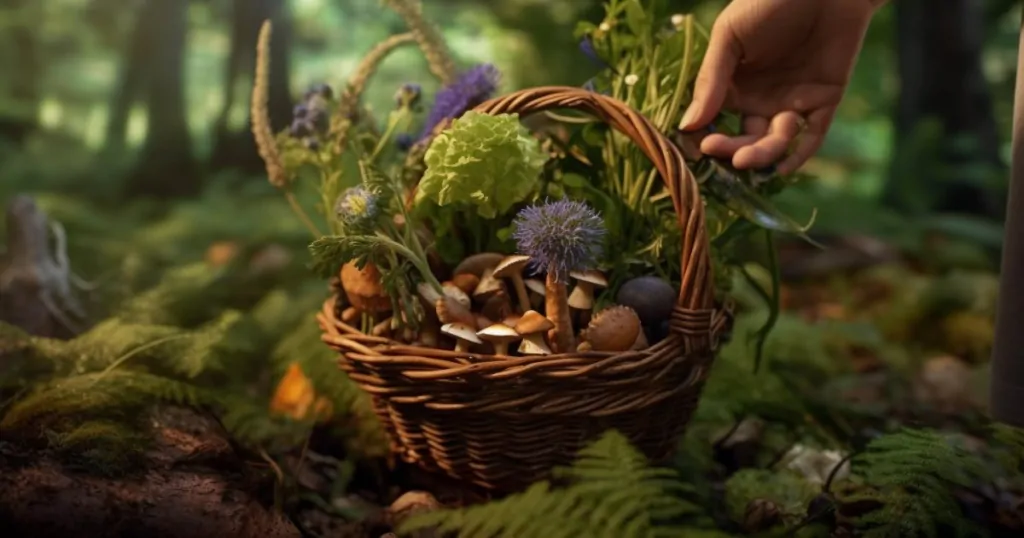
Foraging for food in the wild is a journey of discovery, a dance with nature that nourishes the body and the soul. It’s a chance to step outside our comfort zones, to challenge our preconceptions, and to see the world—and ourselves—in a new light. It’s not always easy, and it’s not without risks, but the rewards are well worth the effort.
So why not give it a try? Venture into the wilderness with an open mind and a hungry belly. Seek out the hidden bounty of the forest, the meadow, the riverbank. Taste the wild, and let it taste you. Who knows? You might just find that the best meals are the ones you forage for yourself.
Happy foraging, and may your basket always be full! 🌳


Leave a Comment