
Trail running is a thrilling sport that combines the joy of running with the beauty of the great outdoors. But to conquer those rugged terrains, you need more than just a regular pair of running shoes. You need trail running shoes. 👟
Trail running shoes are specially designed to provide traction, stability, and protection on rough and uneven surfaces. They’re your trusty companions on the trail, helping you navigate rocky paths, muddy tracks, and steep slopes with confidence. But with so many options on the market, how do you choose the right pair? Let’s dive in and find out!
Key Features of Trail Running Shoes
Traction
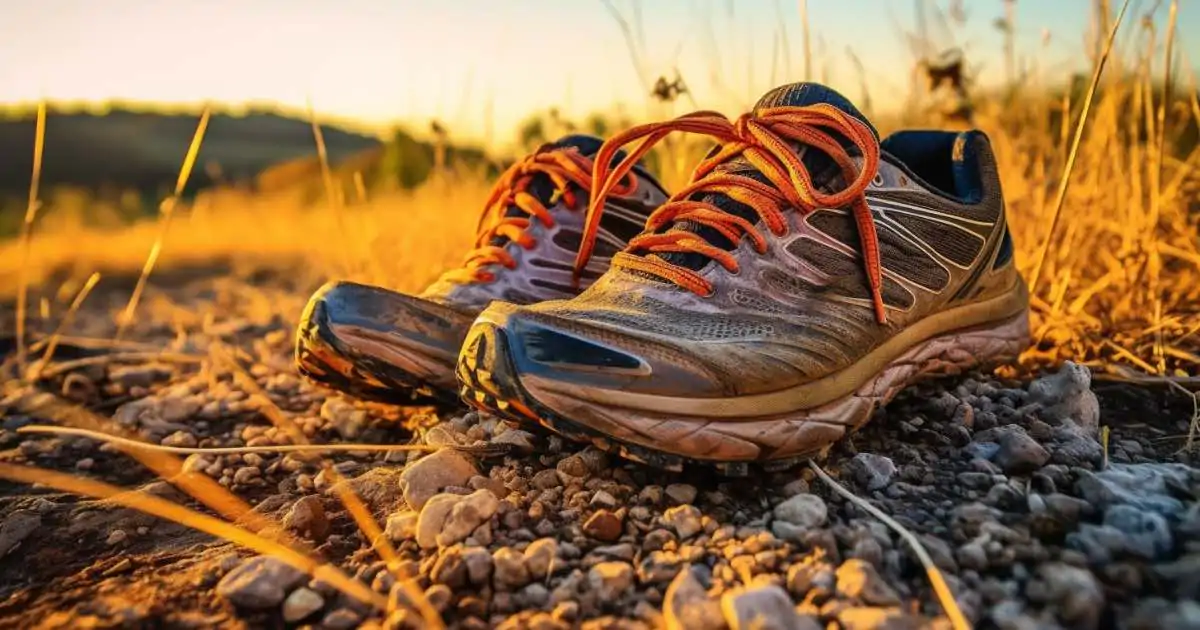
When you’re running on trails, you need shoes that can grip the ground firmly, whether it’s a muddy path, a slippery rock, or a loose gravel track. Trail running shoes feature aggressive lug patterns on the outsole for superior traction. The deeper and more spaced apart these lugs are, the better the shoes can grip and shed mud.
Stability
Trail running shoes are built to keep your feet stable on uneven terrain. They have a lower heel-to-toe drop for a closer-to-the-ground feel, which increases stability. Some models also feature shanks—a stiff piece of material in the midsole—to protect your feet from sharp rocks and enhance stability.
Protection
On the trail, your feet need protection from rocks, roots, and other obstacles. Trail running shoes often have a reinforced toe cap and underfoot plates to shield your feet from impact. They also feature durable materials to resist wear and tear.
Comfort and Fit
Comfort is key in trail running shoes. Look for shoes with ample cushioning to absorb shock and a roomy toe box to allow your toes to splay. The fit should be snug but not tight, with no heel slippage. Remember, a comfortable shoe makes a happy runner!
How to Choose the Right Pair
Understanding Your Running Style
Do you pronate, supinate, or run neutrally? Your running style affects the type of shoe you need. For instance, overpronators may need shoes with more stability, while underpronators might benefit from extra cushioning. A gait analysis can help you understand your running style.
Knowing the Terrain
Are you running on muddy trails, rocky paths, or a mix of everything? The type of terrain you run on influences the kind of trail running shoe you need. For instance, muddy trails require shoes with deep lugs for traction, while rocky terrains call for shoes with good underfoot protection.
Trying Before Buying
Never buy a pair of trail running shoes without trying them on first. Wear the type of socks you’ll be running in and try the shoes in the afternoon when your feet are at their largest. Walk, jog, and jump in the shoes to see how they feel. Remember, comfort is king!
Top Brands and Models
There are many great brands that make trail running shoes, including Salomon, Brooks, Altra, and Hoka One One. Some popular models include the Salomon Speedcross, the Brooks Cascadia, the Altra Lone Peak, and the Hoka One One Speedgoat. Each has its own strengths, so choose the one that suits your needs best. 🏆
Care and Maintenance Tips
Proper care can extend the life of your trail running shoes. Clean them after each run, dry them properly (but never on a radiator!), and avoid storing them in extreme temperatures. And remember, even the best shoes won’t last forever. Most trail running shoes need to be replaced after 300-500 miles.
Understanding the Anatomy of Trail Running Shoes
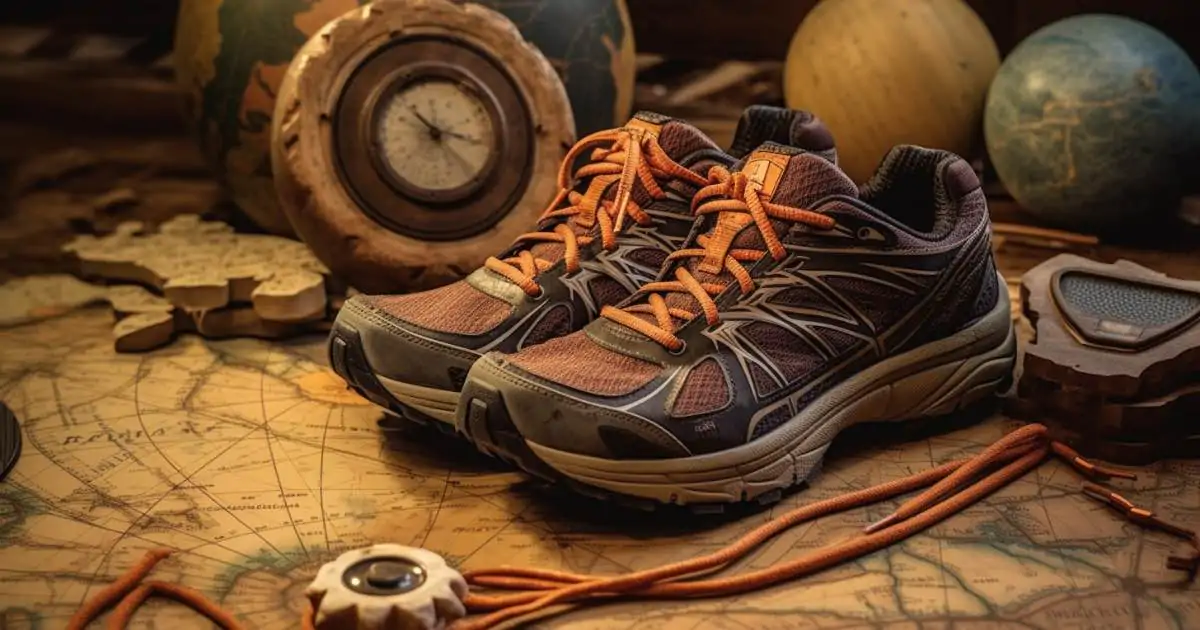
Before we delve deeper into the world of trail running shoes, it’s important to understand their anatomy. Just like our bodies, trail running shoes have different ‘parts’ that serve different functions.
Outsole
The outsole, or the bottom part of the shoe, is what comes into direct contact with the ground. It’s usually made of rubber and features lugs—those aggressive, protruding bits—that provide grip and traction. The deeper and more spaced out these lugs are, the better the shoes can grip onto soft and muddy surfaces.
Midsole
The midsole is the ‘heart’ of the shoe, providing cushioning and shock absorption. It’s usually made from EVA (ethylene-vinyl acetate), a lightweight foam, or PU (polyurethane), a denser and more durable material. Some trail running shoes also feature rock plates in the midsole, which provide protection against sharp rocks and roots.
Upper
The upper is the top part of the shoe that wraps around your foot. It’s usually made from a mix of synthetic materials and mesh for breathability. Some trail running shoes feature waterproof uppers, while others prioritize quick-drying materials. The upper should provide a secure fit without causing any hot spots or pressure points.
Trail Running Shoes vs. Road Running Shoes
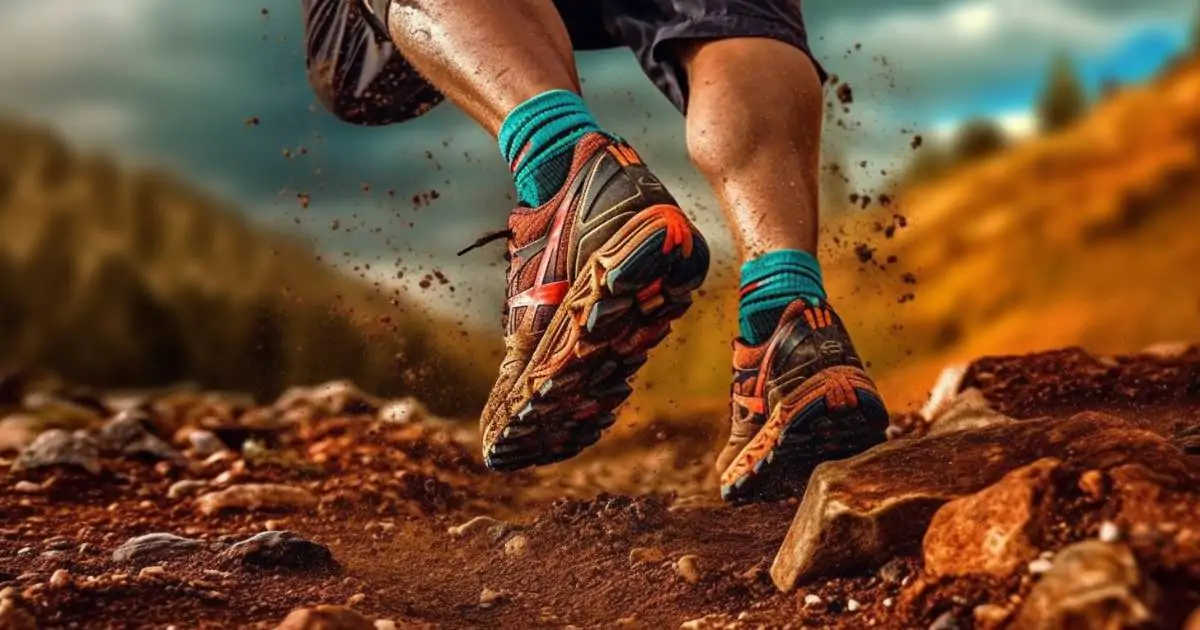
At first glance, trail running shoes might not look that different from road running shoes. But when you’re facing a steep, muddy trail, you’ll appreciate the differences.
Compared to road running shoes, trail running shoes have more aggressive traction, more durable construction, and more protective features. They’re designed to handle the challenges of the trail, from slippery rocks to sharp roots. So while you can run a trail in road running shoes, a pair of trail running shoes will give you more confidence and safety.
Trail Running Shoe Categories
Not all trails are created equal, and neither are all trail running shoes. Depending on the type of trail you’re running on, you might need a different type of shoe. Here are the main categories:
Light Trail Shoes
Light trail shoes are designed for well-groomed trails, such as fire roads and gravel paths. They’re lighter and more flexible than other trail running shoes, with shallow lugs for grip. If you’re just getting into trail running, light trail shoes can be a good starting point.
Rugged Trail Shoes
Rugged trail shoes are designed for off-the-beaten-path trails with rocks, roots, and mud. They have aggressive traction, sturdy construction, and protective features, such as toe guards and rock plates. If you’re running on challenging trails, rugged trail shoes are your best bet.
Off Trail Shoes
Off trail shoes, also known as mountain running shoes, are designed for the toughest terrains. They have the most aggressive traction, the most durable construction, and the most protective features. If you’re running in the mountains or on technical terrains, off trail shoes are the way to go.
Fit and Comfort: The Cornerstones of a Good Trail Running Shoe
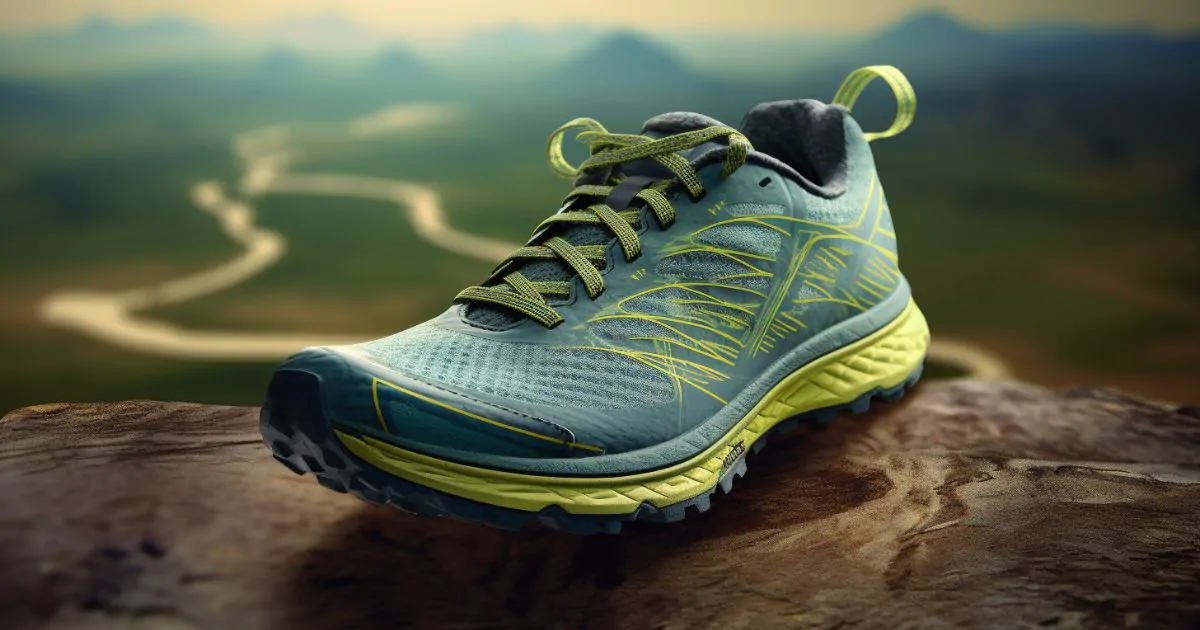
When it comes to trail running shoes, fit and comfort are paramount. No matter how great a shoe looks or how many features it has, if it doesn’t fit well or isn’t comfortable, it’s not the right shoe for you.
Finding the Right Fit
Finding the right fit can be a bit of a Goldilocks situation: not too tight, not too loose, but just right. Your toes should have enough room to wiggle, but your foot shouldn’t slide around in the shoe. The heel should be snug, with no slippage when you walk or run. And there should be no pinching or pressure points.
Ensuring Comfort
Comfort is a bit more subjective, as what feels comfortable to one person might not feel the same to another. However, there are a few things to look out for. The shoe should feel good right out of the box, without any ‘break-in’ period. The cushioning should feel supportive, not squishy or hard. And the shoe should feel balanced, not tipping you forward or backward.
Trail Running Shoe Brands to Consider
There are many brands that make trail running shoes, each with their own strengths and specialties. Here are a few to consider:
Salomon
Salomon is a French brand known for its high-quality outdoor gear. Their trail running shoes are popular for their durability, traction, and precise fit. The Speedcross series, with its aggressive traction and comfortable fit, is a favorite among trail runners.
Altra
Altra is an American brand that stands out for its ‘FootShape’ toe box and ‘Zero Drop’ platform. Their trail running shoes offer a natural, balanced, and comfortable ride. The Lone Peak series, with its roomy toe box and versatile traction, is a popular choice.
Inov-8
Inov-8 is a British brand that specializes in shoes for extreme off-road running. Their trail running shoes are known for their grip, flexibility, and lightweight design. The X-Talon series, with its aggressive grip and precision fit, is well-suited for muddy and rocky terrains.
Hoka One One
Hoka One One is a French brand known for its maximalist running shoes. Their trail running shoes offer plush cushioning, wide platforms, and aggressive traction. The Speedgoat series, named after the legendary ultrarunner Karl ‘Speedgoat’ Meltzer, is designed for technical and challenging terrains.
Frequently Asked Questions
1. How often should I replace my trail running shoes?
Most trail running shoes last between 300 to 500 miles, depending on the terrain and your running style. If you notice that the traction is worn out, the cushioning feels flat, or the upper is tearing, it’s time to replace your shoes.
2. Can I use my trail running shoes on the road?
Yes, you can use your trail running shoes on the road. However, the aggressive traction and stiff construction of trail running shoes can feel uncomfortable on hard surfaces. Plus, the pavement can wear out the lugs faster.
3. What’s the difference between men’s and women’s trail running shoes?
Men’s and women’s trail running shoes are designed to accommodate the general differences in foot shape and body weight. Women’s shoes are usually narrower in the heel and wider in the forefoot, with softer cushioning.
4. Should I buy trail running shoes a half size larger?
Some runners prefer to buy trail running shoes a half size larger to accommodate foot swelling and thicker socks. However, it’s more important that the shoes fit well and feel comfortable. Try on several sizes and choose the one that feels the best.
5. Can I use my trail running shoes for hiking?
Yes, you can use your trail running shoes for hiking. In fact, many hikers prefer trail running shoes for their light weight, breathability, and flexible construction. Just make sure the shoes provide enough traction and support for the terrain.
Conclusion
Choosing the right trail running shoes can make all the difference on your outdoor adventures. By understanding the key features of trail running shoes and knowing how to choose the right pair, you can hit the trails with confidence and enjoy every step of your journey. So, are you ready to blaze your trail? 🏃♀️

Leave a Comment