
Think you’ve “done” Europe? Think again. Beyond Paris and Rome are places where cliffs glow, caves whisper, and locals still know your name.
Fewer crowds. Bigger stories. Glaciers thunder in Switzerland, auroras dance over Norway, and pastel ports in Italy feel untouched by time.
Here are 12 under-the-radar destinations you haven’t heard of—yet—but should book, like, now.
1. Cordes-sur-Ciel, France
A medieval citadel floating above the mist. Stone lanes. Gothic façades. Big skies over Occitanie.
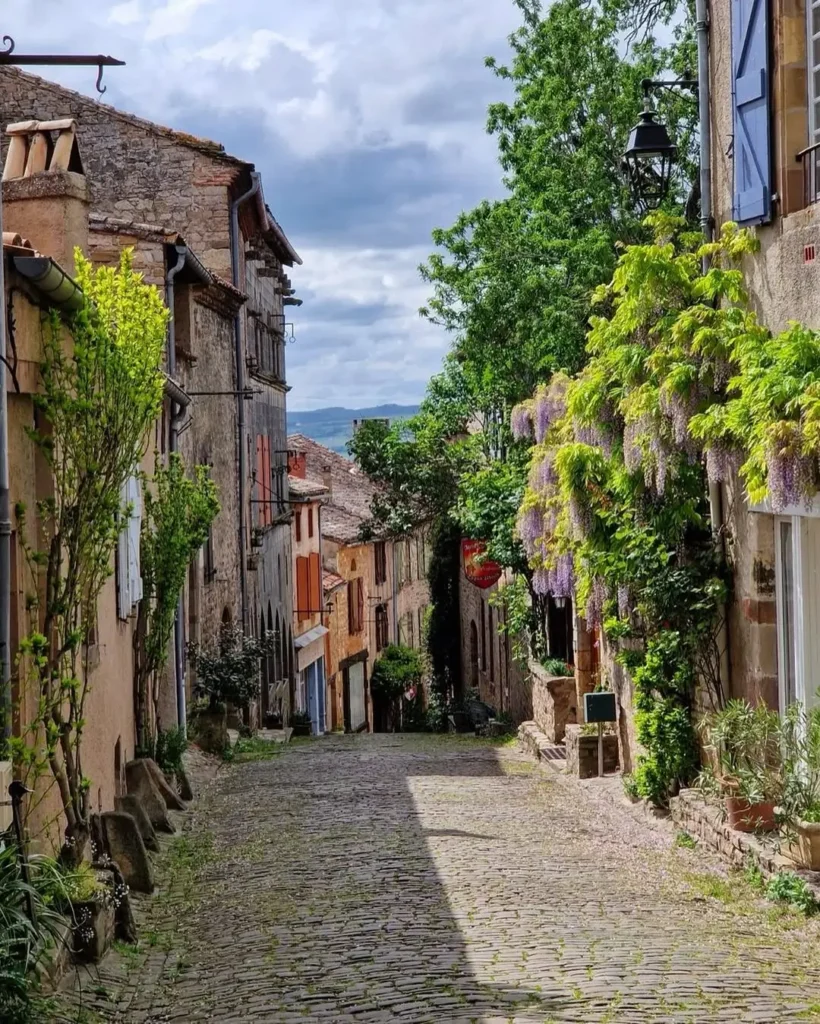
Photo Credit: @raphael.otn (Instagram)
Why go
At dawn, low clouds pool in the valley and the town seems to hover—hence “sur Ciel.” Inside the walls, merchants’ mansions from the 13–15th centuries show off carved dragons, beasts, and tracery. Today it’s quiet, lived-in, and full of ateliers.
Must-see
-
Halle de Cordes (Market Hall) — the hilltop heart of the bastide. Arches, old stone, sweeping views.
-
Maison du Grand Fauconnier — a superb Gothic townhouse; study the sculpted façade up close.
Add: Porte des Ormeaux (best entry gate for a dramatic climb), and the Jardins des Paradis (a contemporary walled garden—cool shade, valley outlooks).
Short wander (1.5–2 hrs)
Enter at Porte des Ormeaux → climb the cobbles through artisan streets → pause at carved façades on rue Raimond VII → circle the Halle for panoramas → drop into the Jardins des Paradis to cool off → espresso on a tiny terrace.
Tastes & treats
Try croquants—local almond biscuits said to originate here. Pair with a café or a glass of Gaillac white from the nearby vineyards.
When to go
Spring and autumn are golden. Early mornings in late summer/fall bring the famous “sea of clouds.” Summer afternoons can be hot—plan a long lunch.
Getting there (easy base)
Use Albi or Toulouse as a base. From there, it’s a scenic drive into the Albigeois hills. Public transport runs to a nearby station, with a local bus/taxi up to the village. Park below the walls and walk in.
Good to know
Surfaces are steep and cobbled—wear grippy shoes. Many workshops close for a mid-day pause. Bring a little cash for small galleries. Respect private façades when photographing.
Tip: Arrive just before sunrise at the upper square by the Halle. If the valley fog rolls in, you’ll watch Cordes truly “float.” Then reward yourself with warm croquants from a bakery as the town wakes.
2. Tromsø, Norway
Arctic city vibes with wild nature at the doorstep. Fjords, peaks, and real chances at the Northern Lights.

Photo Credit: @davidhrng (Instagram)
Why go
It’s the “Capital of the Arctic.” Big enough for great food, bars, and museums. Small enough to be in mountains or on a boat within minutes. Summer = midnight sun hikes. Winter = aurora, sleds, and snow.
Must-see
-
Fjellheisen Cable Car → Storsteinen Viewpoint. Ride up (or take the Sherpa steps) for the best panorama of Tromsø island, bridges, and peaks. Golden hour and midnight sun are unreal; in winter it’s a prime aurora lookout.
-
Arctic Cathedral (Ishavskatedralen). Iconic, angular, and pure north. Go for a concert if you can.
-
Also great: Polar Museum (Amundsen, trapping, polar history) and Polaria (Arctic films + bearded seals).
Perfect first loop (2–3 hrs)
Harbour walk → compact city center along Storgata → Tromsø Cathedral (wooden, serene) → café stop → sunset at the harbourfront.
Day trips that make the trip
-
Kvaløya & Sommarøy. 15–60 min drive to white-sand coves, teal water, and low-effort peaks. Hike Brosmetinden (≈4 km, ~240 m gain, ~1.5 h) for sea-to-summit views.
-
Lyngen Alps. About 2 hours by car. Hike Blåisvatnet (Blue Lake) (≈8 km RT, minimal gain, ~3 h) for absurd turquoise water. Summer glacier hikes and winter snowmobiling available.
Eat & drink
Try Arctic char, reindeer, cod tongues, cinnamon buns. Craft beer at Mack Ølbryggeri (historical pub + tastings). Cozy bars around the harbour for a post-hike pint.
When to go
-
Summer (mid-Jun–mid-Aug): midnight sun, boat trips, hiking, warmer temps.
-
Shoulder (May/Sep): quieter trails, longer nights returning.
-
Winter (Sep–Mar): aurora season, dog/reindeer sledding, snowshoeing, skiing. Polar night = little/no sun—but magical skies.
Getting there & around
Fly to TOS. Airport bus or taxi into town. The center is walkable; tours run year-round. Rent a car for Kvaløya/Sommarøy and Lyngen (easiest way to chase weather windows).
Aurora basics
You need dark + clear. Get out of town lights. Be flexible—clouds move fast. A simple headlamp, tripod, and warm layers help. Apps give KP and cloud cover; local guides know microclimates.
What to pack
Real layers (merino, midlayer, shell), hat/gloves, microspikes in deep winter, waterproof boots, sunglasses in snow glare, and a thermos. Prices are high—bring what you can.
Safety & comfort
Weather turns quickly. Check forecasts, tell someone your plan, and stick to signed trails. Roads are well-kept; drive slower in winter.
Tip: If skies look patchy in town, drive west to Kvaløya or hop the cable car—microclimates often clear there first, and you’ll trade street glow for dark Arctic sky.
3. Évora, Portugal
A golden-stone time capsule on the Alentejo plain. Small. Walkable. Full of layers.
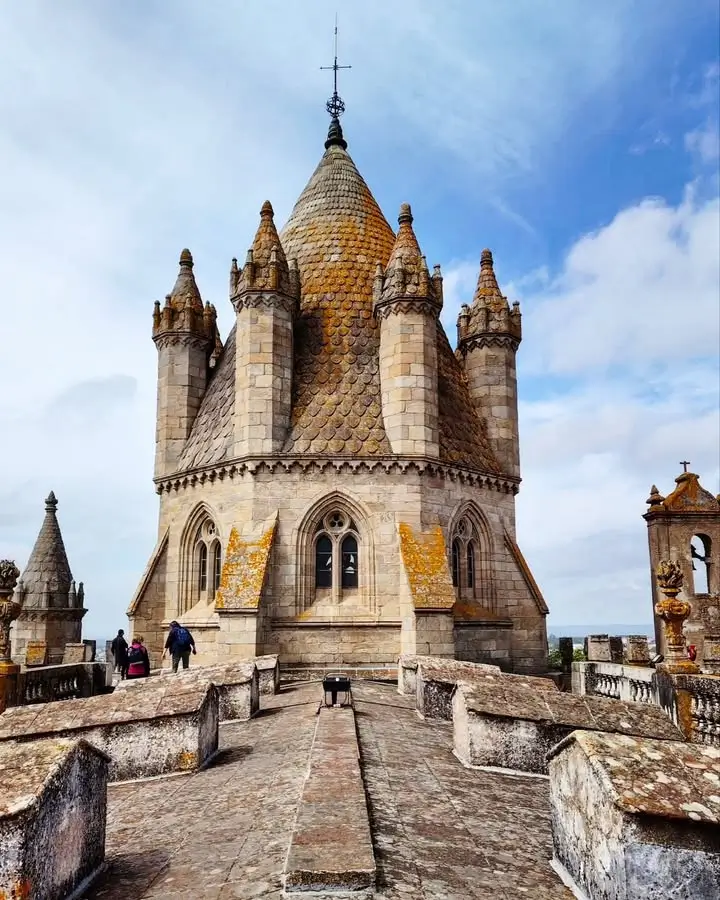
Photo Credit: @josemralves (Instagram)
Why go
UNESCO old town. Roman meets medieval meets Manueline. Big skies. Slow lunches. Easy from Lisbon.
Must-see
-
Roman Temple (“Diana”). Sharp Corinthian columns. Best at sunset.
-
Sé Cathedral. Portugal’s largest medieval cathedral. Climb the roof for a 360° view.
-
Chapel of Bones next to São Francisco. Eerie. Unforgettable.
Perfect short loop
Start at Praça do Giraldo. Pop into the Sé and up to the roof. Drift down Rua 5 de Outubro for ceramics and cork. Hit the Roman Temple for golden hour. End with a glass of Alentejo red on a terrace.
Nearby wows
-
Almendres Cromlech. A vast stone circle. Older than Stonehenge. Go at dawn or late light.
-
Aqueduto da Água de Prata. Follow arches from fields into town. Look for cafés built right into the spans.
Add if you love history: Roman Baths, Évora Museum, University of Évora cloisters.
Eat & drink
This is comfort country. Try açorda alentejana, porco preto, migas, ensopado de borrego. Finish with sericaia. Pour a bold local red from Borba or Reguengos.
When to go
Spring and fall are sweet. Summer gets hot—plan a siesta. Winter is quiet and cozy.
Getting there
From Lisbon it’s ~1h30–1h45 by car, or ~1h45–2h by direct bus/train. Park outside the walls. Walk inside.
Good to know
Dress modestly for churches. Many shops pause mid-afternoon. Cards work widely; keep a little cash. Wear flat shoes for cobbles.
Tip: Climb the cathedral roof late afternoon, then stroll straight to the Roman Temple for sunset. It’s Évora at its best.
4. Saint-Cirq-Lapopie, France
A cliff-top village hanging 100 m over the Lot. Stone lanes. Timbered houses. Huge views. Quiet corners. Pure storybook.
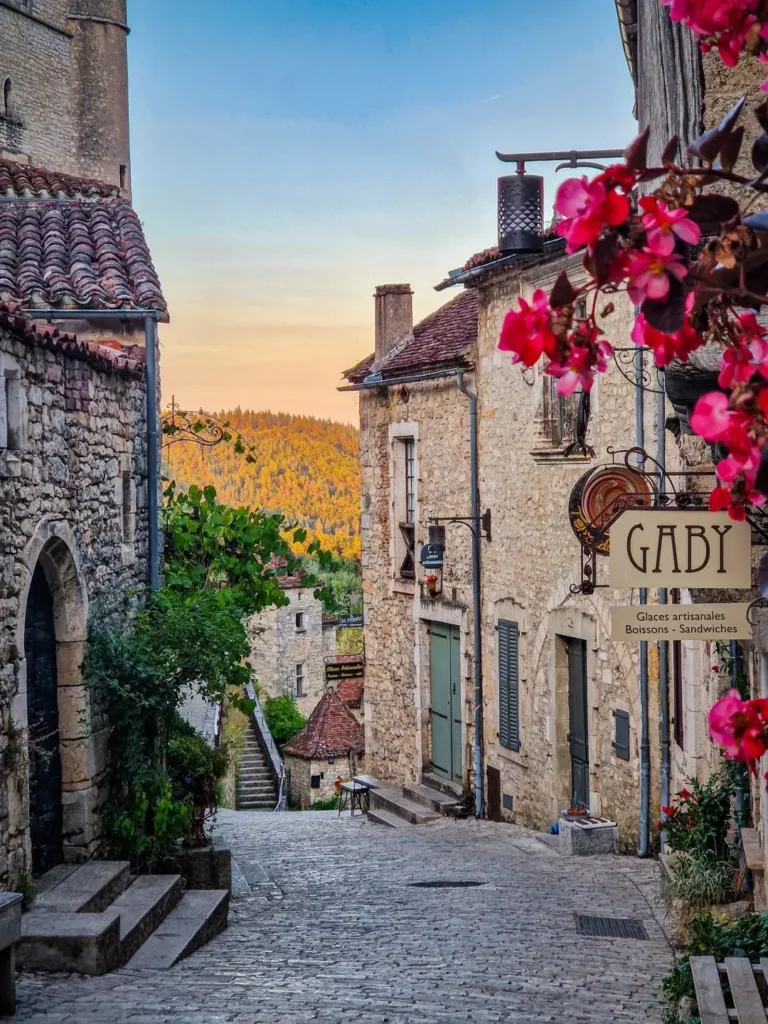
Photo Credit: @julien_audigier (Instagram)
Why go
It’s one of France’s “Most Beautiful Villages.” It still feels untouched. Enter through the old gate. Climb the cobbles. The whole valley opens below. Artisans at work. Swallows around the church. Dawn and sunset are magic.
Must-see
-
Église Saint-Cirq. Late-Gothic, calm inside. Step out to the terrace for the classic panorama.
-
Rocher de Lapopie. Short climb. Giant view. Wind in your hair.
-
Bonus time? Peek at the Cardaillac ruins and the hilltop Halle. If open, Maison Rignault / Maison Daura for gardens and art.
Unmissable walk
Do the Chemin de Halage along the river. Flat and shady. Kids love it. Don’t miss the rock bas-reliefs near the Ganil lock—river life carved in stone.
Local tastes
This place once turned wood and taps. Workshops still line rue Pelissaria. Eat Quercy classics: duck confit, Rocamadour goat cheese, walnut cake. Sip Cahors wine.
When to go
Spring and fall feel perfect. Summer is busy—come before 10:00 or after 17:00. Winter is misty and serene.
Getting there
Base in Cahors (≈30 km) or riverside hamlets. Drive the D662 for views. Park below the village and walk up. A seasonal shuttle often runs. Wear good shoes—steep, cobbled streets.
Practical bits
Shops may close mid-day. Carry some cash for small ateliers. Evenings get cool—bring a layer.
Tip: Do a loop. Up through the Porte de Rocamadour, wander rue Pelissaria to the church and Rocher, then drop to the river for the towpath. Views from above and below. One easy circuit.
5. Taormina, Italy
Hilltop beauty on Sicily’s east coast. Sea below. Etna on the horizon. Tiny, walkable, unforgettable.
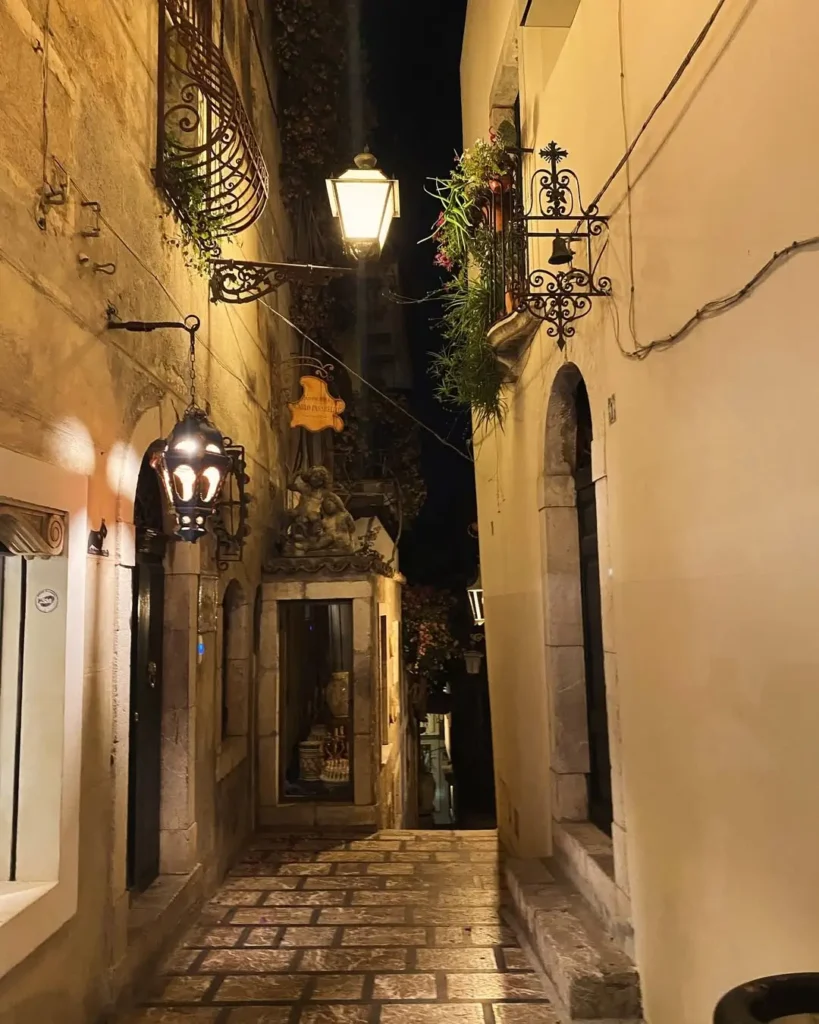
Photo Credit: @alberthouse_taormina (Instagram)
Why go
Epic views. Ancient ruins. Gardens and beaches. Sicilian food that ruins you for anywhere else.
Must-see
-
Ancient Theatre (Teatro Antico). Sit on 2,000-year-old stone and stare at Etna and the Ionian. Go early or for sunset.
-
Isola Bella. Cable car to Mazzarò, short walk over the sandbar, swim in clear water. Add a quick boat to the Grotta Azzurra.
-
Also worth it: Piazza IX Aprile (wow terrace + clock tower) and Villa Comunale Gardens (free shade, huge views).
Getting there
Fly Catania (CTA). Train or Interbus to Taormina-Giardini + bus/taxi up. Driving takes ~1 hr. Park at Porta Catania or Porta Messina and walk in.
Getting around
Old town = on foot. Cable car for beaches. Bus or quick drive up to Castelmola for the big panorama. Easy day trips to Etna, Catania, Savoca.
Eat & drink
Pasta alla Norma. Arancini. Swordfish. Granita with brioche for breakfast. Cannoli anytime. Splurge terraces: Grand Hotel Timeo, San Domenico Palace (book). Try Etna reds and mineral whites.
When to go
Late spring and early fall are perfect. Summer is buzzing and pricier. Winter is calm and local.
Practical
Cobbles and stairs—wear good shoes. Shoulders/knees covered for churches. Safe and friendly; watch for tourist pricing on main squares.
Perfect first loop (2–3 hrs)
Porta Messina → Corso Umberto → Piazza IX Aprile → Ancient Theatre → Villa Comunale → gelato on Via Roma.
Tip: Hit Piazza IX Aprile at sunrise, then head straight to the Ancient Theatre when doors open. You’ll have the view—and the photos—almost to yourself.
6. Milos, Greece — moon cliffs, cobalt coves, boat caves
Volcanic. Photogenic. Easy to love. Milos is all about coastline and color.
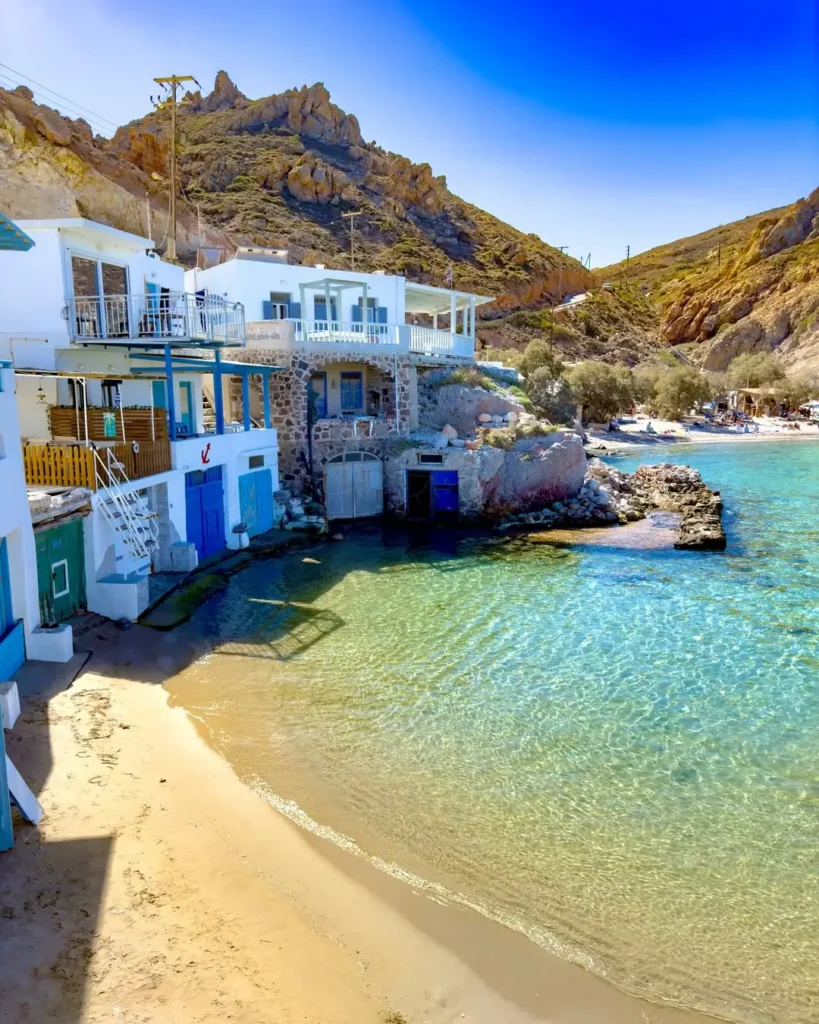
Photo Credit: @mattdaviesuk (Instagram)
Why go
White rock. Electric-blue water. Tiny fishing hamlets. Short hops to other islands. Simple.
Must-see
-
Kleftiko (by boat only). Tall white stacks. Caves. Clear water for snorkeling. Book a half or full day. Mornings are calmer.
-
Sarakiniko. The “moon beach.” Smooth chalky rock and deep blue drops. Go at sunrise or sunset. Little shade. Often windy.
-
Bonus: Catacombs + Ancient Theater (Trypiti). Quick guided catacomb visit, then a free hillside theater with sea views.
-
Bonus:Papafragas Caves. Narrow inlets near Pollonia. Beautiful. Steep access. Skip if the sea’s rough.
Best bases
-
Adamas (Adamantas). Most hotels, buses, and boat tours. You can walk to Lagada and Papikinou.
-
Pollonia. Quieter. Beach out front. Great tavernas. Mini-ferry to Kimolos.
Getting there
-
Fly Athens → Milos (≈30–40 min). Watch small-plane baggage limits.
-
Ferry from Piraeus or nearby islands (2.5–6 hrs). Slower boats are cheaper and smoother in wind.
Getting around
Buses work in season, but run on their schedule. For freedom, rent a car/scooter/ATV for 1–2 days. Standard rentals aren’t allowed on the rough west side. See that coast by boat instead.
2 easy days
-
Day 1: Sunrise Sarakiniko → Plaka lanes + hilltop churches → Catacombs & Theater → lunch in Mandrakia (try Medusa) → sunset back in Plaka.
-
Day 2: Kleftiko boat day (swims + caves) → blue-hour stroll along Adamas harbor.
-
Extra: Kimolos day trip from Pollonia (25-min ferry). Quiet beaches. Sweet old town.
Beach quick picks
-
Firiplaka: Big, sandy, turquoise. Go early in summer.
-
Tsigrado: Tiny ladder-access cove. Fun photo. Crowds fast.
-
Papikinou/Lagada: Walkable from Adamas. Calm = easy swims.
When to go
-
May–June & Sep–Oct: Best balance. Warm water (Sept is top). Fewer crowds.
-
Jul–Aug: Wind (Meltemi), higher prices. Book boats early.
Eat & drink
Seafood in Mandrakia or Pollonia. Sunset spritz in Plaka. Try pitarakia (cheese pies), watermelon pie, and local whites.
Good to know
Bring water, hat, and reef-safe sunscreen. Many spots have no shade. Wind can shut swimming at Sarakiniko/Papafragas; skippers pick safer bays. Don’t waste a day on rough western roads—boats win.
Tip: Book the boat tour first. Build the rest around it. If the forecast looks calm, go that day. Kleftiko is the headline act.
7. Kinsale, Ireland — gourmet harbor, star-fort views
Colorful lanes. A perfect natural harbor. Big history and even bigger seafood menus. Kinsale is small, walkable, and loaded with charm.
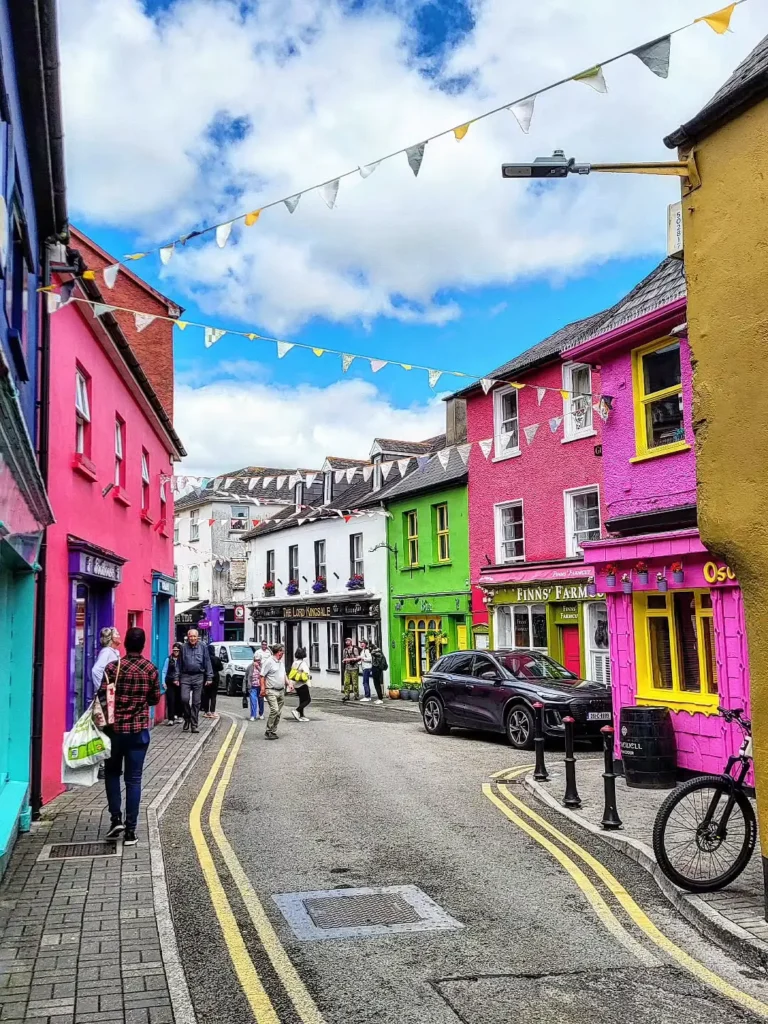
Photo Credit: @litle_grey (Instagram)
Why go
Ireland’s self-proclaimed gourmet capital. A laid-back marina town with a dramatic past. Easy day trip from Cork.
Must-see
-
Charles Fort (star fort, 17th c.)
Vast, cliff-edge bastions guarding the harbor. Learn how the 1601 Battle of Kinsale changed Irish history. Views are superb. Windy—bring a layer. -
Old Town & Harbor
Stroll the narrow streets from Market St. to the marina. Bright façades, galleries, and café terraces. Sunset on the quays is magic.
Great add-ons
-
Scilly Walk → Summercove
A coastal path from town to the Bulman Pub and up to Charles Fort. Sea air, harbor panoramas, pints at the end. -
Kinsale Walking Tour
An hour or two with a local guide brings the Spanish Armada and harbor trade to life.
Eat & drink (book ahead on weekends)
-
Seafood is the star. Think day-boat fish, chowder, oysters. Popular spots fill fast—reserve dinner.
-
Pub time after the fort? The Bulman (by the water in Summercove) is a classic fire-lit stop.
How to get there
-
From Cork City: ~30–40 min by car or bus. Parking in town is tight; use signed car parks and explore on foot.
-
Driving on the left, narrow roads outside town—slow is smart.
When to go
-
May–September: long evenings, lively harbor.
-
Shoulder seasons are quieter; many restaurants still open. Always carry a rain layer.
Quick tips
-
Walk the town, then do the Scilly Walk to the fort and back.
-
Dinner plans? Reserve—Kinsale’s food scene is competitive and popular.
-
Wind on the ramparts can be fierce. Pack a jacket even in summer.
Perfect half-day plan
Harbor and lanes → coffee on Main St. → Scilly Walk → Charles Fort tour → pints at The Bulman → back to town for a seafood dinner.
8. Antiparos, Greece — slow days, deep caves, empty beaches
Tiny, low-key, and five minutes from Paros by car ferry. No cruise crowds. Just white lanes, turquoise water, and late nights that end at sunrise.
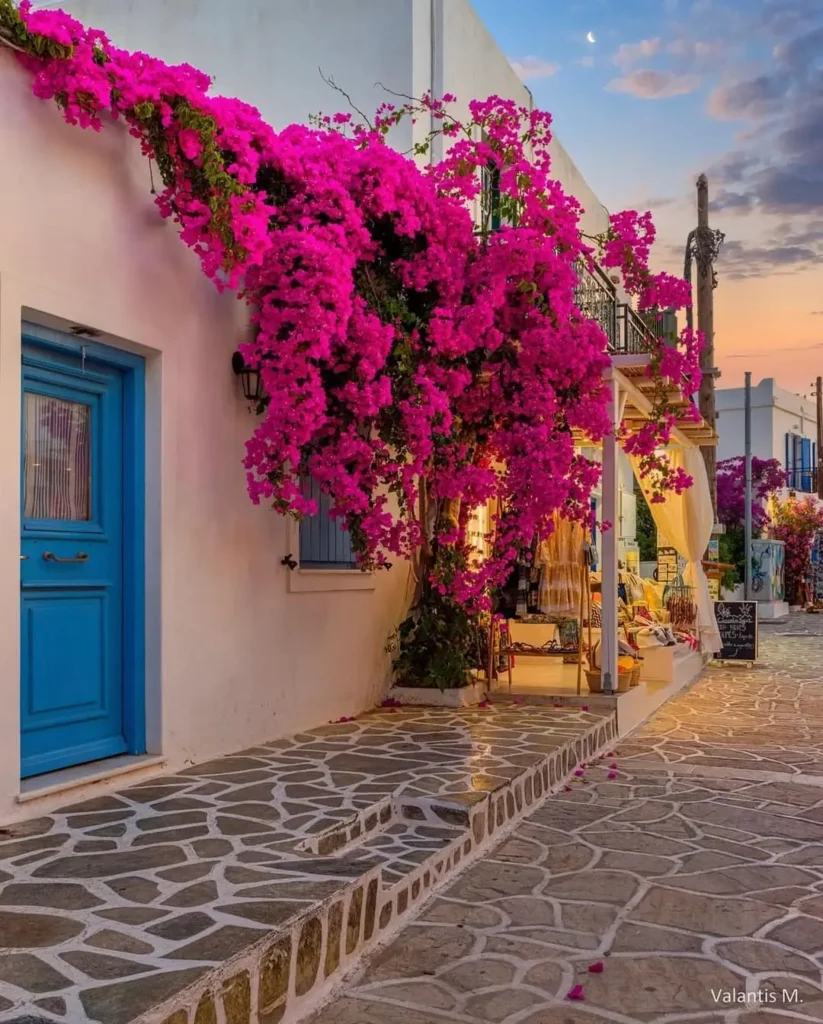
Photo Credit: @minogiannisvalantis (Instagram)
Why go
For a softer Cyclades vibe. Walkable Chora (the main town) with cafés, boutiques, and bars. Beaches you can actually spread out on.
Must-see
-
Antiparos Cave — A vast underground hall of stalactites/stalagmites. Historic graffiti (yes, kings signed). 411 steps each way: good shoes, water, and a light layer (it’s cool inside).
-
Despotiko Island & Sanctuary — Uninhabited isle opposite Agios Georgios with ongoing excavations and wild, empty beaches. Go by small boat; bring shade and supplies.
Best beaches (quick picks)
-
Psaraliki I & II — Close to town, shallow, calm. Great for families and lazy swims.
-
Soros — Bigger, livelier, beach bar, loungers; crystal water.
-
Faneromeni (remote) — You’ll need wheels and a little nerve on the road. Reward: silence and glassy sea.
-
Sifneiko (aka Sunset Beach) — West-facing; best golden hour near town.
Eat & sip
Tavernas spill onto lanes and sand. In Chora, bakeries and meze spots keep you fueled; nights run late at Lucky Luke’s and pocket cocktail bars. In Agios Georgios, seafood tavernas plate the day’s catch with a sea view.
Getting there
-
Fly or ferry to Paros → drive/bus to Pounta → car ferry to Antiparos (≈7 minutes). Ferries run all day in season; you can bring a scooter/car.
Getting around
-
Chora and nearby beaches are walkable. For Soros/Faneromeni/Agios Georgios, rent a scooter/ATV or bike. Limited buses in high season.
When to go
-
May–June, Sept–early Oct: warm seas, fewer people.
-
July–Aug: busier, pricier, Meltemi winds (north-facing beaches can be choppy).
Simple 1-day loop
Morning swim at Psaraliki → coffee in Chora → boat to Despotiko (beach + ruins) → late lunch in Agios Georgios → Antiparos Cave mid-afternoon → sunset at Sifneiko → dinner + drinks back in Chora.
Good to know
-
Cave: many stairs; not ideal for small kids/mobility issues. Cardio first, photos later.
-
Sun & gear. Shade is rare on the remote beaches. Bring plenty of water. Wear a hat. Use reef-safe sunscreen.
-
Wind check. If it’s blowing, head south or find shelter. Soros and Faneromeni stay calmer.
-
Money. Cards work almost everywhere. Still carry a little cash for kiosks and boat rides.
-
Vibe. Super relaxed. Flip-flops, late dinners, long swims. That’s the plan
Where to stay
Want car-free ease? Pick designy suites or simple rooms in Chora. Crave dawn swims? Book a beachy apartment near Soros or Agios Georgios.
Bottom line. Antiparos isn’t Paros-lite. It’s its own little universe—easy, intimate, addictive.
9. Aveiro, Portugal
Canals, color, and custard. Aveiro sits on the Ria de Aveiro lagoon, 70 km south of Porto. Think “Portuguese Venice,” but smaller, cheaper, and easier to love.
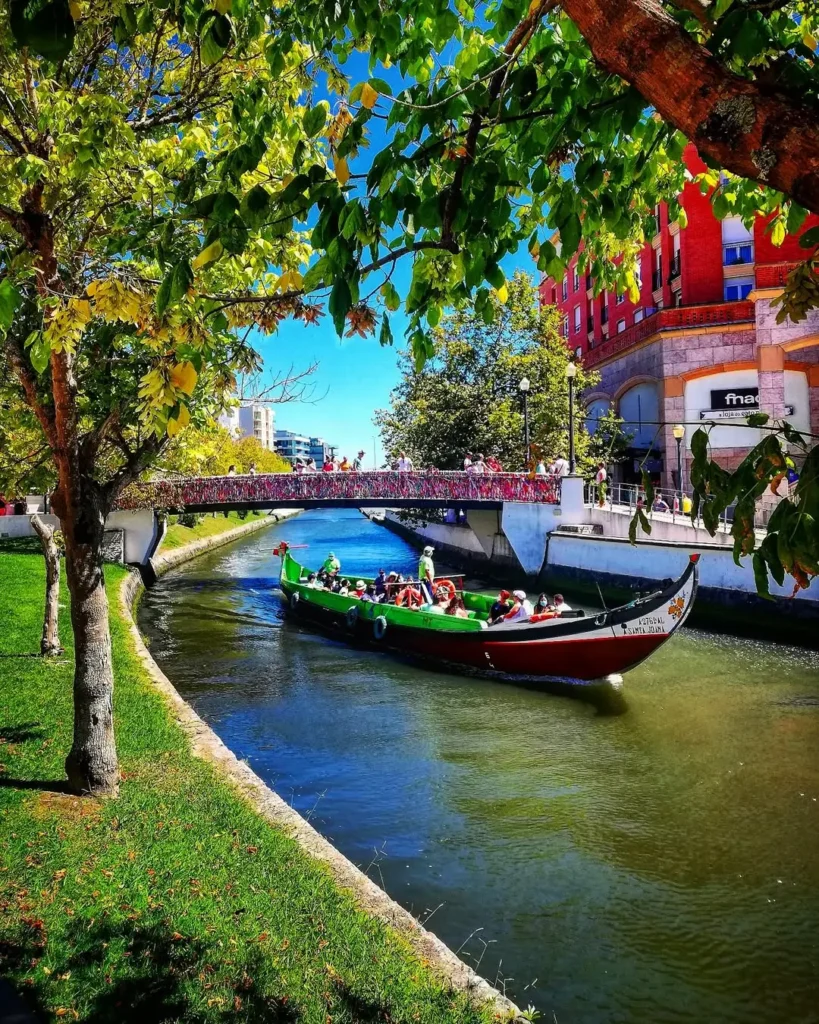
Photo Credit: @worldpixelsbyguedes (Instagram)
Why go
Art Nouveau façades, painted moliceiro boats, salt pans, and a pastry invented by nuns. Beaches are 15–20 minutes away. The city is flat and walkable.
Getting there & around
From Porto: about 1 hour by train. From Lisbon: ~2.5 hours. In town, walk the center, rent a bike, or hop a moliceiro for a 45–60-minute canal loop. Buses run to the coast.
Must-see #1 – Central Canal & Moliceiro Boats
Start at the Central Canal. Boats leave all day; you’ll glide past tiled buildings, low bridges, and Art Nouveau gems. These boats once hauled seaweed (moliço) for fertilizer—now they’re your front-row seat.
Must-see #2 – Art Nouveau Trail & Museum
Aveiro is on the Réseau Art Nouveau. Pop into the Museu de Arte Nova and follow the façades along Rua João Mendonça and around the center. Curves, tile, ironwork—bring a camera.
Other top stops
-
Aveiro Museum (Convento de Jesus): tomb of Princess Saint Joana, gilded chapels, and local history.
-
Sé de Aveiro (Cathedral): Dominican roots, serene interior.
-
Praça do Peixe (Old Fish Market) area: lively cafés and bars by night.
-
Salinas (salt pans): learn how sea salt and flor de sal are made; sunset is magic.
-
Ponte dos Laços de Amizade (Ribbons Bridge): Aveiro’s photogenic “love locks” alternative.
Easy coastal add-ons
-
Costa Nova (10–15 min): the famous candy-striped palheiros houses and a broad beach.
-
Praia da Barra & lighthouse: Atlantic air and long walks on the sand.
Local flavor
-
Ovos moles: egg-yolk sweets in rice-paper shells shaped like fish and shells. Buy from licensed confeitaria.
-
Try cod dishes (a local industry), plus fresh seafood around Praça do Peixe.
When to go
Mild spring–autumn. Summer rarely scorches thanks to the Atlantic. Evenings can be breezy by the coast—bring a layer.
Quick tips
-
Boat first, museums after—light is best on the canals before mid-day.
-
Save Forum Aveiro (open-air mall) for a coffee break or shade.
-
Day trips: Águeda (umbrella streets in summer) or nearby lagoon villages if you’ve got extra time.
Snapshot plan (half-day to full day)
Central Canal boat → Art Nouveau Museum + façades → Aveiro Museum (Convento de Jesus) → coffee and ovos moles → bus/taxi to Costa Nova for sunset.
Tip: Do a moliceiro ride early or after 5 pm; hit the salt pans at sunset (bring repellent). Try ovos moles at Peixinho, then hop to Costa Nova for the striped houses. If driving, park at Forum Aveiro and explore on foot.
10. Monsaraz, Portugal
A whitewashed hill town on a ridge above the Alqueva Lake. Tiny. Timeless. Stunning views in every direction.
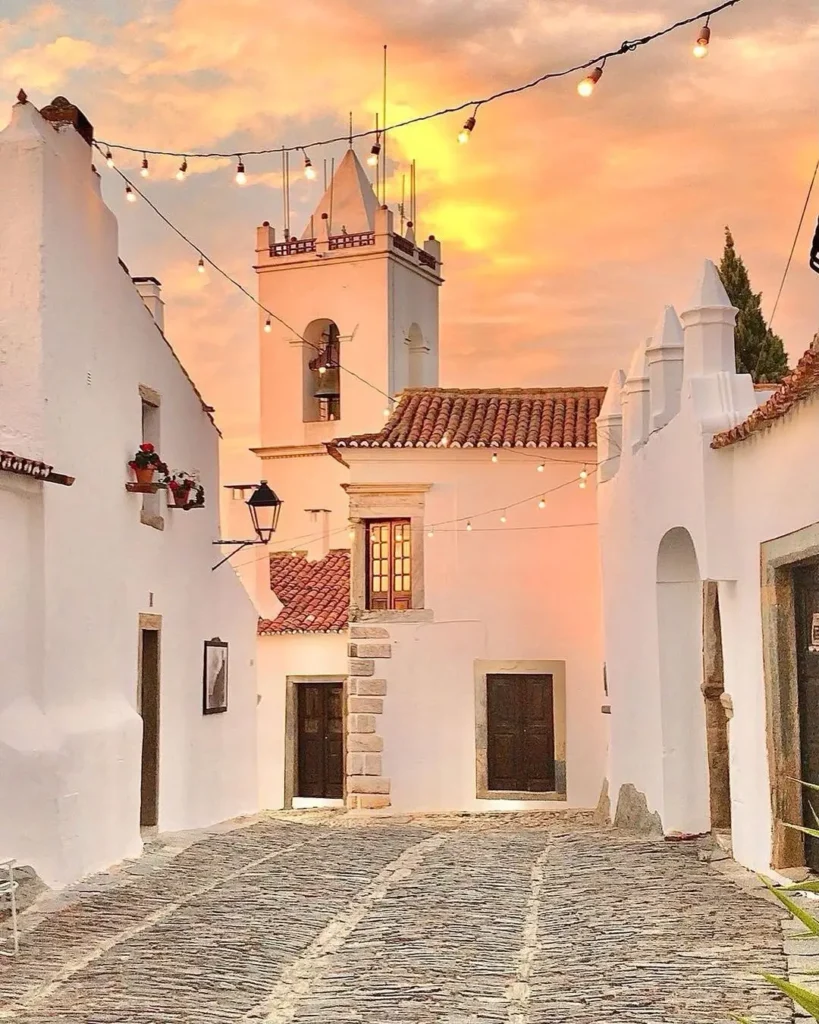
Photo Credit: @alentejo_paradise (Instagram)
Why go
For medieval walls, empty lanes, and sunsets over Europe’s largest artificial lake. It feels untouched—and it mostly is.
Getting there
Base in Évora and drive ~1 hour (no practical public transport). Park outside the gates for free and walk in. Cobbles and slopes—wear good shoes.
Must-see #1 — Monsaraz Castle & Walls
Climb the 13th-century castle and ramparts. Peek into the bullring tucked inside the walls. The panorama over vineyards and the lake is the show.
Must-see #2 — Alqueva Lake Viewpoints
Follow the walls to the western terraces for the best golden-hour views of the Alqueva Reservoir. Windy at the top—pack a layer.
Also worth your time
-
Igreja de Nossa Senhora da Lagoa: bright Baroque interior and azulejos on the main square.
-
Portas da Vila: main gate and classic photo angle down the main street.
-
Cromeleque do Xerez & Menhir of Outeiro (5–10 min drive): easy megalith detour.
-
São Pedro do Corval (10 min): Portugal’s pottery village—watch throwing and glazing, buy direct.
-
Dark Sky Alqueva: certified stargazing reserve; book a night session if skies are clear.
Eat & sip
Small taverns serve migas, black pork, and local ovelhina cheeses. Pair with Alentejo reds. Terrace cafés on the walls are perfect for a slow lunch with a view.
How long
2–3 hours to wander the lanes and walls; half-day if adding megaliths/pottery; evening if you want sunset + stargazing.
Best time
Spring & autumn for mild temps and clear light. Summer is hot—go early or late.
Practical tips
Bring water and sun protection. ATMs are limited; most places take cards but carry a little cash. Photos are best from the west walls at sunset and the keep at blue hour.
Simple plan
Castle & walls → church & square → coffee on the terrace → quick drive to Xerez cromlech → back for sunset over Alqueva → dinner and, if you can, Dark Sky.
Tip: Arrive 60–90 minutes before sunset. Park at the free lot just outside the gate (“Parque de Estacionamento Monsaraz”) and walk clockwise along the ramparts for the best light over Alqueva Lake. It’s breezy up top—bring a light layer. Book Dark Sky Alqueva stargazing in advance, and if you have a car, pair your visit with São Pedro do Corval for pottery on the way back to Évora.
11. Procida, Italy
Pastel-perfect. Small. Still local. Procida is the Bay of Naples island that fishermen, writers, and filmmakers loved before the crowds found Capri. It’s 40–70 minutes by ferry from Naples or Pozzuoli (seasonal boats from Sorrento). No cruise hordes. Plenty of charm.
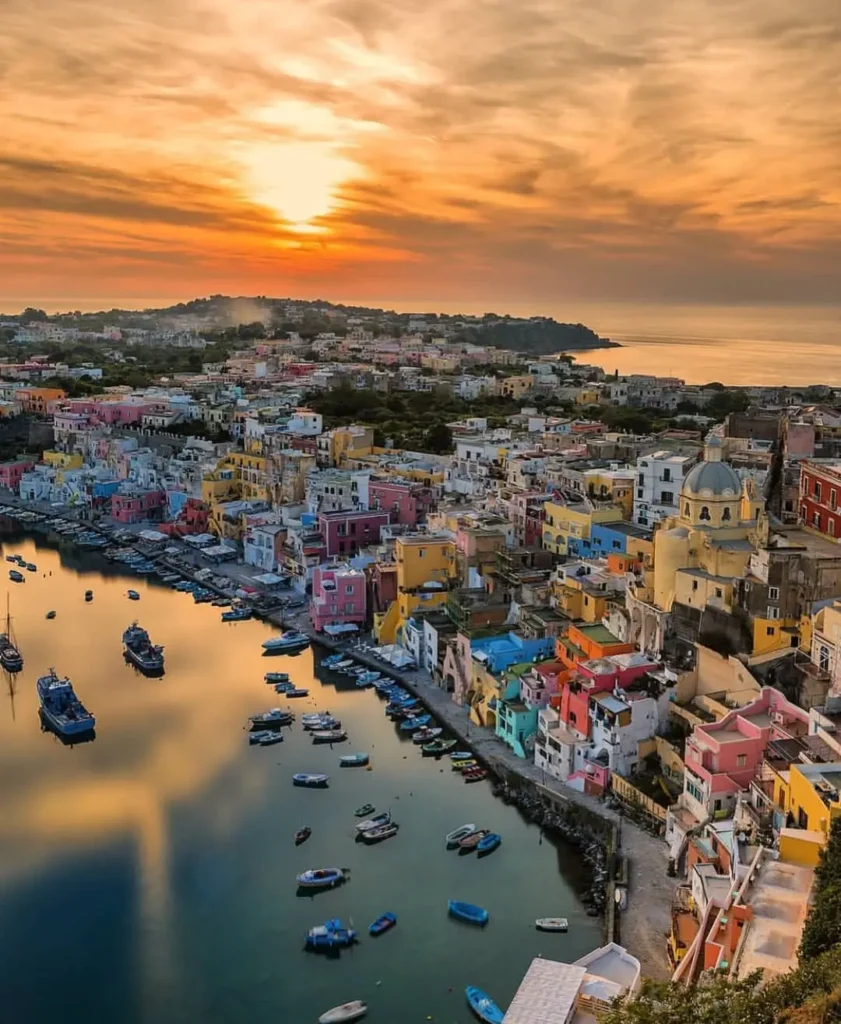
Photo Credit: @paolo.schiano (Instagram)
Why go
Narrow lanes. Laundry and bougainvillea. Black-sand coves. Seafood that jumped off a boat this morning. It’s walkable end to end in about an hour, or use the little EAV buses. Scooters are handy, but streets are tight—walk on the left so you see oncoming traffic.
Must-see
Marina Corricella – The postcard harbor. Candy-colored houses stacked like a stage set. Car-free lanes, nets drying in the sun, and lazy seafood lunches on the quay. Come early for quiet or at golden hour for photos.
Terra Murata & Abbazia di San Michele — The island’s high point. A true fortress town. Step inside the abbey (it’s free). Then walk the bastions. Big views of Vesuvius, Ischia, and tiny Corricella below.
Belvedere Elsa Morante — One stop. All the angles. The best wide shot of Corricella, sea, and cliffs. Sunset is magic.
Chiaiolella & Spiaggia del Postino – West-side marina in an old volcanic crater, with beach bars and a free stretch of black sand. Stay for the fiery sunset.
Vivara Nature Reserve – A wild islet linked by a small bridge. Access is by pre-booked guided tour with limited slots; plan ahead.
Eat & drink
Order whatever’s freshest: spaghetti alle vongole, grilled pezzogna, fried anchovies. Waterfront standouts in Corricella include simple trattorie and pizzerie right on the quay; in Chiaiolella you’ll find relaxed beach bars for aperitivo. For dessert, hunt down a lingua di Procida (flaky pastry with lemon cream).
How to get around
- On foot for old lanes and viewpoints.
- Bus (EAV) circuits the island frequently; buy tickets at bars/tabacchi.
- Scooter rental if you’re confident on tight, hilly roads. Parking is limited.
Where to stay
Small B&Bs near Corricella for romance and views. Chiaiolella if you want beach days and sunsets. A few hotels have pools; many places are family-run and book up fast in summer.
When to go
April–June and September–October. Warm seas, softer light, fewer day-trippers. July–August is busy and hot.
Quick plan (day trip)
Ferry in → walk Corricella → climb to Terra Murata/Abbey → lunch by the harbor → bus to Chiaiolella for a swim → Belvedere Elsa Morante for sunset → ferry out.
Tips:
- Ferries: check Napoli Beverello for fast hydrofoils. Porta di Massa/Pozzuoli is slower, cheaper.
- Shoes: wear grippy soles. Steep cobbles and abbey steps.
- Sun/sea: black sand gets hot. Bring water, a hat, and reef-safe sunscreen.
- Photos: Corricella shines at dawn. Magic again just before sunset.
12. Lauterbrunnen, Switzerland — Valley of 72 Waterfalls
Alpine drama, all around you. Sheer cliffs. Green meadows. Water thundering from the sky. Base yourself in the village and let the valley do the rest.
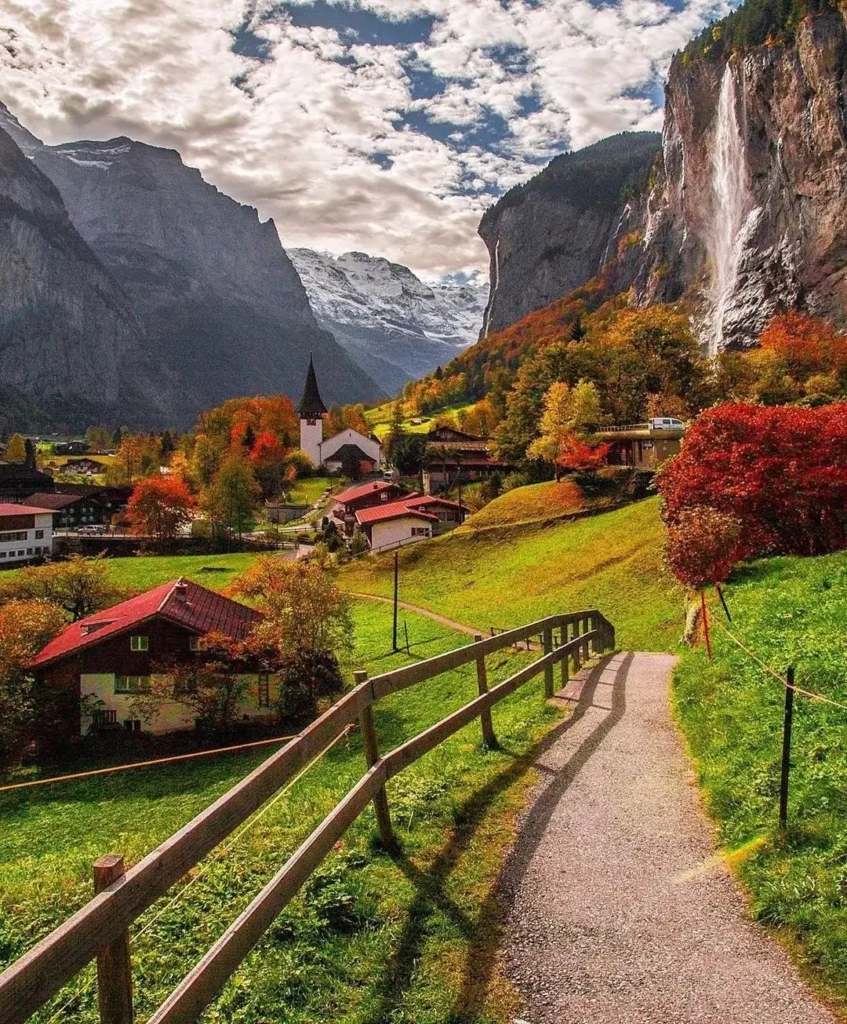
Photo Credit: @kardinalmelon (Instagram)
Why go
It’s the most cinematic U-shaped glacial valley in Switzerland. Staubbachfall drops beside church spires. Trains glide to car-free summits. Paths weave past barns and cowbells. It feels unreal.
Must-see (don’t skip these)
-
Trümmelbach Falls — Ten glacier waterfalls roaring inside the mountain. Tunnel lift up, stairs down, spray on your face. Open roughly Apr–early Nov; best flow May–June.
-
Staubbachfall — That iconic free-falling veil above the village. Walk the short path to the viewing cave behind it for a wild perspective.
-
Bonus peaks:Schilthorn (Piz Gloria, 007 peak) for big Eiger–Mönch–Jungfrau views (via Stechelberg cableways), or Jungfraujoch “Top of Europe” by cog rail via Kleine Scheidegg (highest station in Europe).
Perfect day mix
Morning coffee in Lauterbrunnen → train up to Wengen (car-free, pretty) → optional cable car to Männlichen (cheaper than the big peaks; huge vistas) → hike or train back to the valley (the Wengwald → Lauterbrunnen descent is a calm, 40–60 min green tunnel of views) → Trümmelbach Falls in the afternoon → golden-hour photos of Staubbachfall and church.
Photo spots
Church + Staubbachfall trail. The stone arch under the viaduct to Wengen. Meadow paths facing the valley wall. After rain, everything pops.
Season & timing
-
May–June: waterfalls at max power.
-
July–Sept: alpine hikes, cow parades in September, long light.
-
Winter: ski world + aurora-like night skies; choose peaks (Schilthorn/Jungfraujoch) if you want snow panoramas.
Arrive early for peaks; weather can close in fast.
Costs & passes (reality check)
-
Jungfraujoch: ~CHF 220 full fare. Thin air (3,454 m)—go slow.
-
Schilthorn: ~CHF 108 from Stechelberg.
-
Männlichen: great value views.
A Half Fare Card or regional pass will soften the blow.
How to get there & around
Train to Interlaken Ost → Lauterbrunnen. From the village:
-
Wengen train (then cable car to Männlichen).
-
Bus to Stechelberg for the Schilthorn lifts.
-
Everything else on foot. Car stays parked.
Good to know
Layers, sturdy shoes. Paths can be wet near falls. Trümmelbach is chilly inside. September often brings cow parades at noon—bells, flowers, lots of smiles. You won’t see all “72 waterfalls” at once; expect 5–6 on a single vista and be happy.
Tip: Do Trümmelbach late morning, peaks in the afternoon if the forecast shows clearing—clouds tend to lift. If skies stay moody, lean into it: rain makes the valley look mythic and the waterfalls roar.
Leave a Comment