

Water sports aren’t just for fun and fitness. They can also be a powerful tool for therapy and healing. From the gentle flow of aquatic yoga to the exhilarating rush of surf therapy, water sports offer a unique blend of physical and mental benefits. In this article, we’ll dive into the world of water sports therapy and explore how these water-based activities can help you ride the waves of wellness. 🌊

The Therapeutic Benefits of Water
Water has long been associated with healing and rejuvenation. Its buoyancy, resistance, and soothing qualities make it an ideal medium for therapy. But what exactly are the benefits of water sports therapy?
Physical Benefits
Water sports therapy offers a host of physical benefits. The buoyancy of water reduces the impact on joints, making it a great option for those with arthritis or injuries. The resistance of water helps build strength and endurance. Plus, water sports can improve balance, coordination, and flexibility.
Mental Benefits
But the benefits of water sports therapy aren’t just physical. They’re also mental. Water sports can reduce stress, improve mood, and boost self-esteem. The rhythmic movement of water can have a calming effect, while the challenge of learning a new skill can build confidence and resilience.
Types of Water Sports Therapy
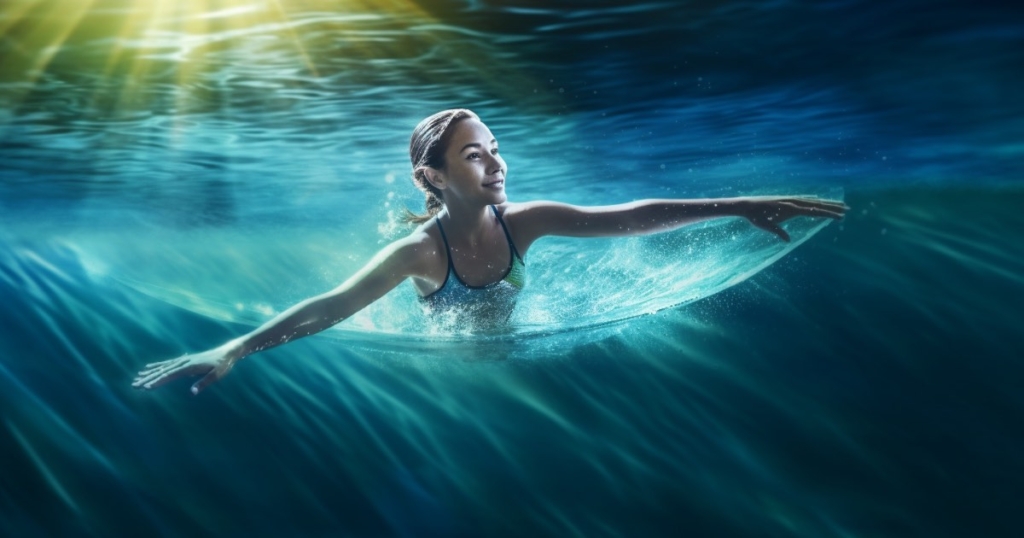
There are many types of water sports therapy, each with its own unique benefits. Let’s take a closer look at a few of them.
Swimming Therapy: More Than Just Laps
Swimming therapy goes beyond just swimming laps. It’s about using the water as a tool for healing and wellness. The water’s buoyancy supports the body, reducing the strain on joints and muscles and allowing for a greater range of motion. This makes swimming an excellent choice for people recovering from injuries or those with chronic conditions like arthritis.
But the benefits of swimming therapy extend beyond the physical. The rhythmic nature of swimming, the focus on breath, and the sensation of being enveloped by water can have a meditative effect, helping to reduce stress and promote a sense of calm and wellbeing.
Aquatic Yoga: Finding Balance in the Water
Aquatic yoga is about more than just doing yoga poses in the water. It’s about finding balance and harmony both in the body and the mind. The water’s resistance adds an extra challenge to each pose, helping to strengthen and tone the muscles. At the same time, the water’s buoyancy supports the body, allowing for a greater range of motion and reducing the risk of injury.
But perhaps the most significant benefit of aquatic yoga is its effect on the mind. The gentle flow of the water, combined with the focus on breath and movement, can help to quiet the mind and reduce stress, promoting a sense of peace and tranquility. 🧘♀️
Paddleboarding Therapy: Standing Tall on the Water
Paddleboarding therapy is about more than just standing on a board and paddling. It’s about finding balance, both literally and figuratively. The act of balancing on the board engages the core muscles and improves overall stability, while the rhythmic motion of paddling can have a calming effect on the mind.
Plus, being out on the water, surrounded by nature, can help to reduce stress and promote a sense of peace and wellbeing. Whether you’re paddling on a calm lake or navigating the waves of the ocean, paddleboarding therapy can be a powerful tool for physical and mental wellness.
Surf Therapy: Catching Waves and Wellness
Surf therapy is about more than just catching waves. It’s about harnessing the power of the ocean for healing and wellness. The physical act of surfing – paddling out, catching a wave, and riding it to shore – is a full-body workout that can improve cardiovascular fitness, build strength, and boost balance and coordination.
But surf therapy also has significant mental health benefits. The focus and concentration required to surf can help to quiet the mind and reduce stress, while the sense of accomplishment that comes from catching a wave can boost mood and self-esteem. Plus, the ocean itself has a calming effect, with the sound of the waves and the feel of the water promoting a sense of peace and tranquility.
How to Get Started with Water Sports Therapy

Interested in trying water sports therapy? Here’s how to get started. Remember, it’s always a good idea to consult with a healthcare professional before starting a new therapy program.
Choose Your Activity
First, choose the water sport that interests you the most. Do you prefer the rhythmic strokes of swimming, the peaceful poses of aquatic yoga, the balance challenge of paddleboarding, or the exhilarating rush of surf therapy? Choose an activity that you enjoy and that suits your fitness level and goals.
Find a Program or Instructor
Next, find a program or instructor that specializes in your chosen water sport. They can guide you through the basics, help you improve your technique, and ensure that you’re exercising safely. Look for programs or instructors with certifications in water sports therapy.
Get the Right Gear
Depending on the water sport, you might need specific gear. For swimming, you’ll need a swimsuit, goggles, and possibly a swim cap. For aquatic yoga, you’ll need a special yoga mat designed for water use. For paddleboarding, you’ll need a paddleboard, a paddle, and a life vest. And for surf therapy, you’ll need a surfboard and possibly a wetsuit.
Start Slowly
Finally, start slowly. It’s normal to feel a bit awkward or unsteady at first. But with patience and practice, you’ll improve. Listen to your body, take breaks when needed, and don’t push yourself too hard. Remember, the goal is to enjoy the process, not just the outcome.
Frequently Asked Questions
What is water sports therapy?
Water sports therapy is a type of therapy that uses water-based activities, like swimming, aquatic yoga, paddleboarding, and surfing, to improve physical and mental health. It combines the physical benefits of exercise with the therapeutic benefits of water.
Who can benefit from water sports therapy?
Almost anyone can benefit from water sports therapy. It’s a great option for people of all ages and fitness levels, including those with injuries or chronic conditions. It’s also beneficial for people who are looking to reduce stress, improve mood, or boost self-esteem.
Do I need to know how to swim to participate in water sports therapy?
Not necessarily. While some water sports, like swimming and surf therapy, require you to be comfortable in the water, others, like aquatic yoga and paddleboarding, can be done in shallow water where you can touch the bottom. Always check with the program or instructor to see what skills are required.
What equipment do I need for water sports therapy?
The equipment you need depends on the type of water sport. For swimming, you’ll need a swimsuit and goggles. For aquatic yoga, you’ll need a special yoga mat designed for water use. For paddleboarding, you’ll need a paddleboard and a paddle. And for surf therapy, you’ll need a surfboard.
Can I do water sports therapy on my own, or do I need an instructor?
While you can certainly enjoy water sports on your own, it’s a good idea to start with an instructor if you’re new to the activity or if you’re using it as a form of therapy. An instructor can teach you the correct techniques, ensure that you’re exercising safely, and help you get the most out of your therapy sessions.
Conclusion: Dive into Wellness
Water sports therapy offers a unique way to improve both physical and mental health. Whether you’re gliding through the water in a swim, holding a pose in aquatic yoga, balancing on a paddleboard, or riding a wave in surf therapy, you’re not just having fun. You’re also taking a proactive step towards wellness. So why not dive in? The water’s great! 🏄♀️


Leave a Comment