

Welcome to the wild side of the culinary world, where the rugged beauty of nature meets the warmth of the kitchen. In recent years, there’s been a burgeoning interest in cooking wild game, a practice steeped in tradition yet brimming with modern appeal. This article isn’t just a guide; it’s a journey through the process of transforming wild game from a field trophy to a table delicacy. Whether you’re a seasoned hunter or a curious cook, get ready to explore the rich flavors and unique techniques of wild game cuisine. 🦌
Understanding Wild Game
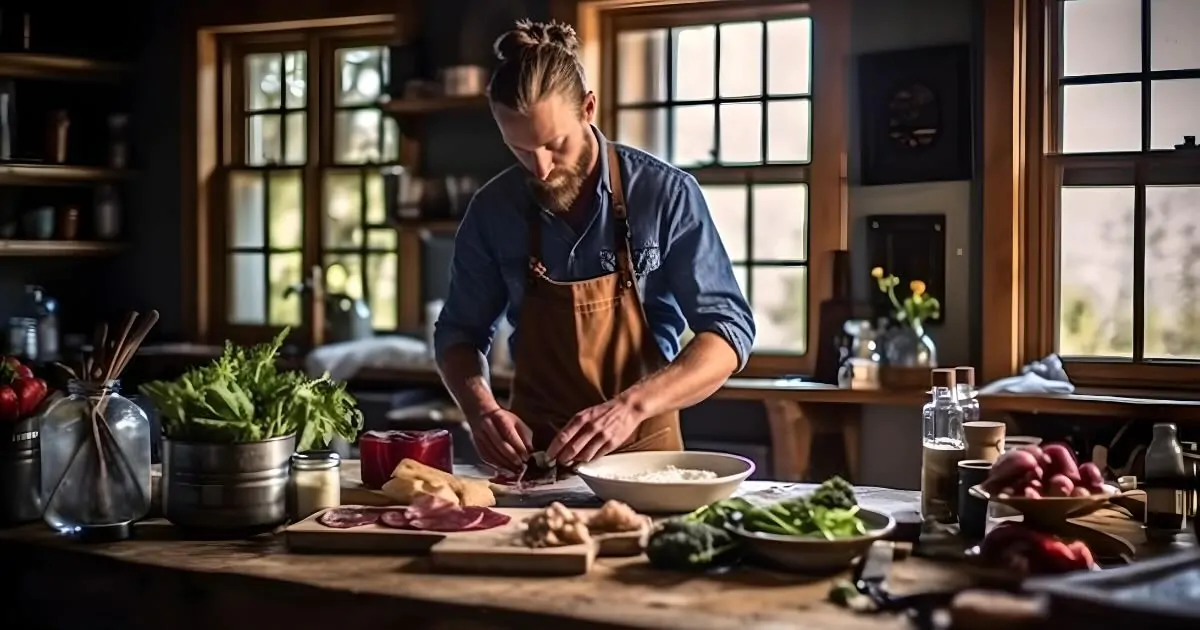
Embarking on the culinary adventure of cooking wild game begins with a deeper understanding of the various types of game available and their unique attributes. From the dense forests where deer roam to the marshlands echoing with the calls of ducks, each environment bestows its game with distinct characteristics.
Types of Commonly Hunted Wild Game
Let’s start with a roll call of the wild game most commonly pursued by culinary adventurers:
- Deer: Perhaps the most iconic of all game meats, deer, especially the white-tailed variety, is a staple in many hunters’ diets.
- Rabbit: Known for its delicate flavor, rabbit is a versatile game meat that’s gaining popularity in gourmet cooking.
- Duck: With its rich, fatty meat, duck stands out as a favorite among game birds, offering a distinct flavor profile.
- Other Game Birds: This category includes species like pheasant, quail, and turkey, each offering unique tastes and textures.
- Wild Boar: Tougher and more robust than domestic pork, wild boar is a challenging yet rewarding meat to cook.
Nutritional Value and Health Benefits
Wild game is not just a treat for the taste buds; it’s a boon for the body. These meats are typically lower in fat and calories compared to conventional meats, while being higher in beneficial nutrients like omega-3 fatty acids, which are crucial for heart health. The absence of antibiotics and growth hormones, often found in commercially raised livestock, makes wild game a cleaner, more natural choice.
Flavor Profiles and Characteristics of Different Game Meats
Each type of game meat brings its own unique flavor to the table, a reflection of the animal’s diet and habitat:
- Deer (Venison): Venison is celebrated for its rich, slightly gamey flavor, with hints of the acorns, herbs, and berries that make up the deer’s diet.
- Rabbit: Light and lean, rabbit meat has a subtle, slightly sweet flavor, making it a great canvas for a variety of seasonings and cooking methods.
- Duck: Known for its fatty skin and dark, tender meat, duck offers a luxurious taste experience, often described as earthy and rich.
- Other Game Birds: These birds vary in flavor, from the mild, tender meat of quail to the more robust, slightly gamey taste of pheasant.
- Wild Boar: This meat is known for its strong, nutty flavor, a result of the animal’s omnivorous, free-range diet.
With this foundation of knowledge, you’re well on your way to becoming a connoisseur of cooking wild game. But remember, the journey from field to table is just beginning. Up next, we’ll delve into the crucial steps of field dressing and preparation. Stay tuned!
Field Dressing and Preparation
Field dressing, the first step in the journey from field to table, is an essential skill for any game cook. It’s not just about preserving the integrity of the meat; it’s about honoring the animal and the sustenance it provides. Proper field dressing not only ensures the quality and safety of the meat but also reflects a hunter’s respect for nature’s bounty.
Importance of Proper Field Dressing
Why is field dressing so crucial? First off, it helps cool the meat rapidly, preventing the growth of bacteria. It also removes internal organs that could impart undesirable flavors if left intact. Think of it as the first act in the play of preparing game meat, setting the stage for all the culinary magic that follows.
Step-by-Step Guide to Field Dressing Various Types of Game
While the specifics can vary depending on the game, the general principles of field dressing remain consistent:
- Preparation: Before you begin, ensure you have sharp knives, gloves, and a clean work area.
- Incision: Make a careful incision from the bottom of the rib cage to the pelvic area, avoiding puncturing the intestines.
- Removal of Organs: Gently remove the internal organs, being careful not to rupture them. This step is crucial for preventing contamination of the meat.
- Draining: Allow the body cavity to drain blood. This step is essential for both hygiene and flavor.
- Cooling: Once field dressed, the game should be cooled as quickly as possible. In warmer climates, this might involve using ice packs.
Tips for Transporting and Storing Game Meat
After field dressing, proper transportation and storage are key to maintaining the quality of your game meat:
- Cool Transport: Use a cooler with ice or ice packs to transport the meat, especially if you’re far from home or in warm weather.
- Avoid Contamination: Keep the meat away from any potential contaminants, including dirt and leaves.
- Refrigeration: Once home, refrigerate the meat as soon as possible. If you plan to age the meat, ensure it’s done in a controlled environment.
- Freezing: For long-term storage, freeze the meat in airtight packaging. This helps preserve its quality and flavor.
With your game properly dressed and stored, you’re ready to move on to the next exciting phase: aging and butchering. This is where the true transformation begins, turning a raw piece of nature into a culinary masterpiece. 🦌
Aging and Butchering
After the field dressing and careful transportation of your game, the next steps in your culinary adventure are aging and butchering. These processes are where the meat truly begins to develop its flavor and texture, transforming from a raw product into something that can be cooked and savored.
The Aging Process and Its Impact on Flavor and Tenderness
Aging game meat is a practice as old as hunting itself, a natural process that enhances both flavor and tenderness. During aging, enzymes break down muscle tissue, resulting in meat that’s more tender and flavorful. The length of the aging process can vary depending on the type of game and environmental conditions, but it typically ranges from a few days to a couple of weeks. The key is to age the meat in a controlled environment, ideally at a temperature just above freezing, to prevent spoilage while allowing the natural processes to do their work.
Basic Butchering Techniques for Different Game Animals
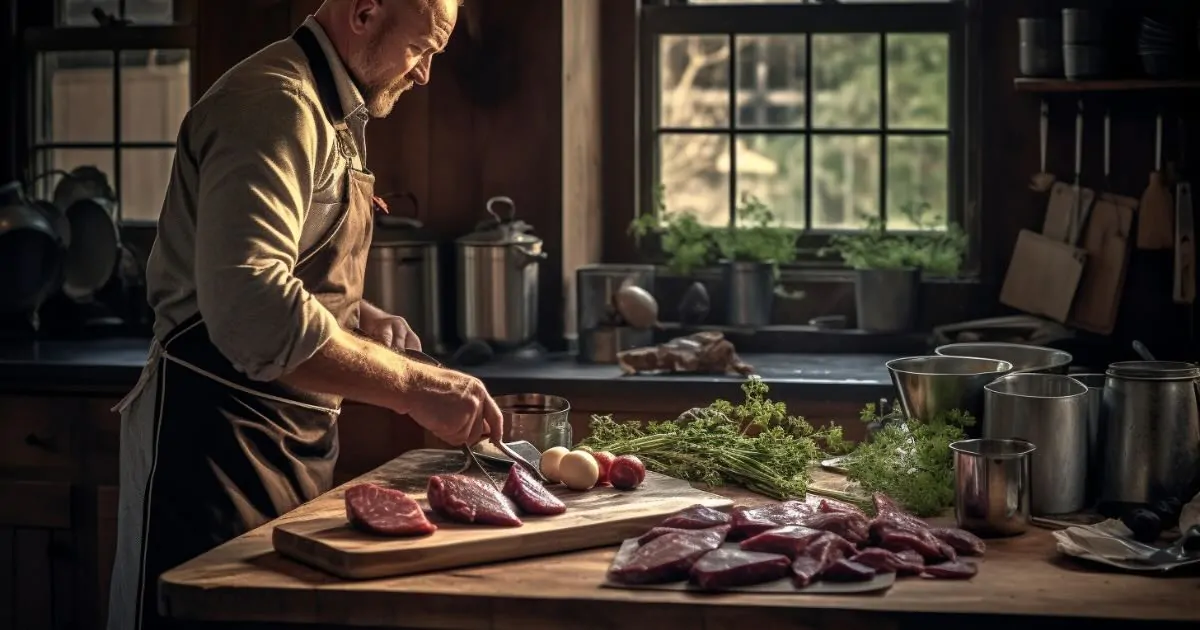
Butchering is where your game starts to look like the cuts of meat you’re familiar with from a butcher shop. Each type of game requires its own approach:
- Deer: Start by removing the legs and separating the shoulders, followed by the backstraps and tenderloins. The remaining meat can be used for ground meat or stew.
- Rabbit: Rabbit butchering is relatively straightforward. Begin by removing the legs and separating the saddle (back) and ribcage.
- Duck: With ducks, the breast meat and legs are the primary cuts. Carefully remove the breasts from the bone and separate the legs at the joint.
How to Identify and Prepare Various Cuts of Meat
Identifying and preparing various cuts of meat is both an art and a science. Here’s a quick guide:
- Backstraps and Tenderloins: These are the most tender cuts, ideal for quick cooking methods like grilling or pan-searing.
- Legs and Shoulders: These cuts are tougher and are best suited for slow cooking methods like braising or stewing.
- Ribs and Trim: While not as popular, these cuts can be used for making flavorful stocks and broths.
With your game meat aged and butchered, you’re now ready to explore the exciting world of cooking techniques and tips. The transformation from field to table is nearing its completion, and the culinary delights await!
Cooking Techniques and Tips
Now that your game meat is prepped and ready, it’s time to turn up the heat and start cooking! Wild game can be incredibly delicious when cooked properly, but it requires a bit of know-how to get it just right. Here’s your guide to mastering the art of cooking wild game.
Overview of Cooking Methods Suitable for Wild Game
Wild game meats are versatile and can be cooked using a variety of methods, each bringing out different flavors and textures:
- Grilling: Perfect for tender cuts like backstraps or steaks. Grilling imparts a smoky flavor and can create a delightful char on the outside while keeping the inside juicy.
- Roasting: Ideal for larger cuts or whole birds. Roasting in an oven helps retain moisture and tenderness, especially when the meat is barded or wrapped in bacon to add fat.
- Stewing: Tougher cuts like shoulder or leg benefit from slow cooking in a stew, where the low and slow process tenderizes the meat and develops deep flavors.
- Braising: Similar to stewing, braising involves cooking the meat slowly in a small amount of liquid. It’s great for shanks and tougher cuts.
- Sautéing: Quick and easy, sautéing is suitable for smaller or thinner cuts of meat. It’s a great way to cook tenderloin or small game birds.
Adjusting Cooking Times and Temperatures for Lean Game Meat
One of the key challenges with wild game is its leanness. Without much fat, game meats can dry out or become tough if overcooked. Here are some tips to avoid that:
- Lower Temperatures: Cook game meats at slightly lower temperatures than you would with beef or pork to prevent drying out.
- Shorter Cooking Times: Because of their leanness, game meats often cook faster. Keep a close eye on them and use a meat thermometer to avoid overcooking.
- Resting: Allow the meat to rest after cooking. This lets the juices redistribute, ensuring a moist and flavorful bite.
Marinating and Tenderizing Techniques
Marinating and tenderizing are especially useful for game meats:
- Marinating: Acidic marinades (like those with vinegar or citrus juice) can help tenderize the meat and add flavor. Just don’t over-marinate, as this can make the meat mushy.
- Physical Tenderizing: Use a meat mallet to tenderize tougher cuts. This breaks down the muscle fibers, making the meat more tender.
- Enzymatic Tenderizers: Ingredients like papaya, pineapple, or kiwi contain natural enzymes that can help tenderize game meats.
With these techniques in your culinary arsenal, you’re well-equipped to handle any game meat that comes your way. Next up, we’ll dive into some delicious recipes to get you started on your wild game cooking journey!
Recipes for Wild Game
Whether you’re new to cooking game or a seasoned pro, there’s always something exciting to try in the kitchen. From simple, foolproof recipes for beginners to more sophisticated dishes for the culinary adventurer, wild game offers a world of flavors. Let’s explore some recipes and pairing ideas to elevate your game cooking experience.
Starter Recipes for Beginners
If you’re just starting out with game meat, these recipes are perfect for getting your feet wet:
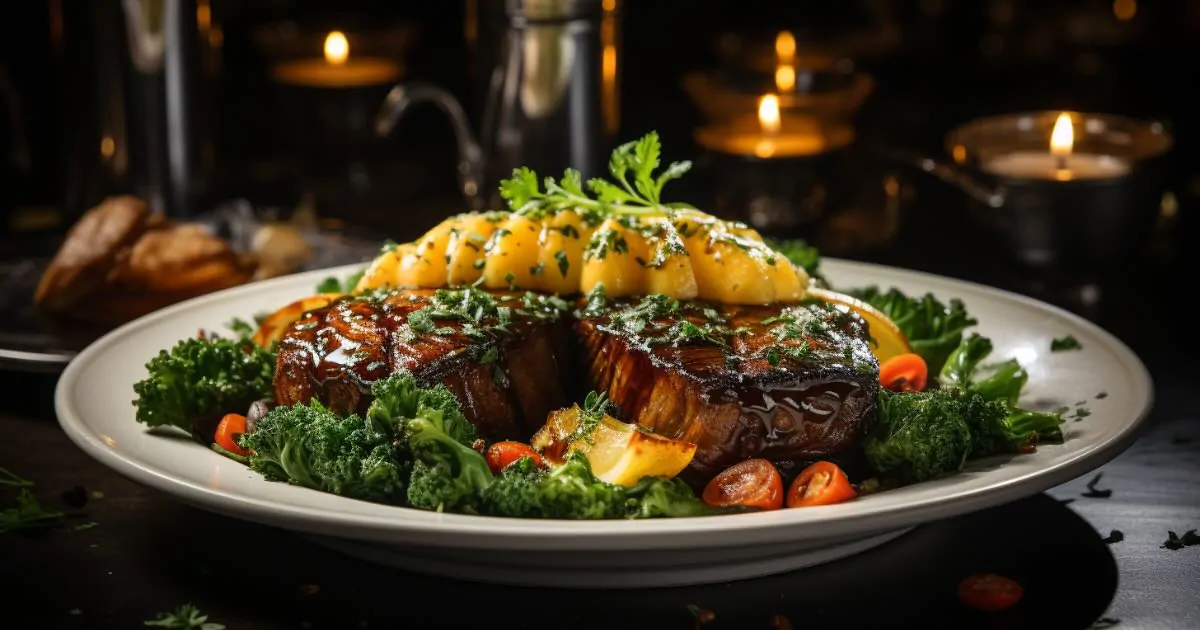
- Grilled Venison Steaks: Marinate venison steaks in a mixture of olive oil, garlic, and your choice of herbs. Grill over medium heat until medium-rare and serve with a simple salad.
- Rabbit Stew: Brown pieces of rabbit meat, then slow cook with onions, carrots, potatoes, and broth for a hearty and forgiving stew.
- Roast Duck: Season a whole duck with salt, pepper, and thyme. Roast in the oven until the skin is crispy and the meat is tender. Serve with a fruit glaze for added flavor.
Gourmet Recipes for Experienced Cooks
Ready to take your game cooking to the next level? Try these gourmet recipes:
- Venison Wellington: Wrap a venison loin in mushroom duxelles and puff pastry, then bake until golden. Serve with a rich red wine reduction.
- Braised Wild Boar Shanks: Slow-cook boar shanks with red wine, mirepoix, and herbs until the meat falls off the bone. Serve with creamy polenta for a luxurious meal.
- Pheasant in Cream Sauce: Sauté pheasant breasts and finish in a creamy tarragon sauce. Serve over wild rice for an elegant dish.
Pairing Game Meats with Sides and Wines
The right side dishes and wine can turn a game meal into a feast. Here are some pairing ideas:
- With Venison: Pair with earthy sides like roasted root vegetables or wild mushrooms. A bold red wine like Cabernet Sauvignon complements the rich flavor of venison.
- With Rabbit: Lighter sides like sautéed greens or a lemony couscous balance rabbit’s delicate flavor. A crisp white wine like Chardonnay pairs beautifully.
- With Duck: Serve with sweet and tart sides like orange-glazed carrots or a cherry reduction. Pinot Noir, with its fruity notes, pairs well with duck’s richness.
With these recipes and pairings, you’re all set to explore the delicious world of wild game cooking. Remember, cooking game is as much about the journey as it is about the destination. Experiment, enjoy, and savor every bite!
Safety Considerations
While cooking wild game is an exciting culinary adventure, it’s crucial to approach it with a mindset of safety and responsibility. Proper handling and cooking of game meat are essential to avoid foodborne illnesses, and understanding game laws and ethical hunting practices is equally important for sustainability and respect for wildlife.
Handling and Cooking Game Meat Safely to Avoid Foodborne Illnesses
Safe handling and cooking of game meat are paramount to ensure a healthy and enjoyable eating experience:
- Proper Field Dressing: As discussed earlier, field dressing must be done carefully to prevent contamination of the meat with bacteria or digestive contents.
- Cleanliness: Always keep your work area, utensils, and hands clean when handling game meat to prevent cross-contamination.
- Cooking Temperatures: Use a meat thermometer to ensure game meats are cooked to safe temperatures. For example, cook all wild game birds to an internal temperature of 165°F (74°C).
- Storage: Store game meat at safe temperatures. Refrigerate it below 40°F (4°C) and freeze it if you’re not planning to cook it within a few days.
Understanding Game Laws and Ethical Hunting Practices
Responsible hunting is not just about following the law; it’s about respecting nature and ensuring sustainable practices:
- Know the Laws: Familiarize yourself with local and national hunting regulations. These laws are in place to manage wildlife populations sustainably.
- Respect Wildlife: Ethical hunting involves taking only what you need and making every effort to ensure a quick and humane harvest.
- Habitat Conservation: Be mindful of the impact of hunting on wildlife habitats. Responsible hunters play a role in conservation efforts.
- Educate Yourself: Continuous learning about wildlife, habitats, and sustainable hunting practices is crucial for any ethical hunter.
By adhering to these safety and ethical considerations, you contribute to a sustainable, respectful, and enjoyable hunting and cooking experience. Remember, the best meals are those enjoyed with a clear conscience and a respect for the natural world.
Frequently Asked Questions
Is cooking wild game meat different from cooking store-bought meats?
Yes, wild game meat is typically leaner than store-bought meats, which means it can dry out or become tough if not cooked properly. It often requires lower cooking temperatures and shorter cooking times, and benefits from marinating or brining to enhance moisture and flavor.
What are the best cooking methods for wild game?
Grilling, roasting, stewing, and braising are excellent methods for cooking wild game. Tender cuts like backstraps are great for grilling or pan-searing, while tougher cuts like shoulders and legs are ideal for slow cooking methods like stewing or braising.
How do I ensure my wild game meat is safe to eat?
Proper field dressing, cleanliness during handling, and cooking the meat to the recommended internal temperatures are crucial for safety. Also, storing the meat at safe temperatures (below 40°F for refrigeration) is important to prevent bacterial growth.
Can I freeze wild game meat?
Yes, wild game meat can be frozen for long-term storage. Wrap it tightly in freezer-safe packaging to prevent freezer burn and maintain quality. Properly frozen game meat can be stored for several months.
What are some simple recipes for someone new to cooking wild game?
For beginners, grilled venison steaks, rabbit stew, and roast duck are great starting points. These recipes are straightforward and allow the unique flavors of the game meat to shine through.
How can I tenderize tough cuts of wild game meat?
Marinating in acidic ingredients, using enzymatic tenderizers like papaya or pineapple, or physically tenderizing the meat with a mallet are effective ways to tenderize tougher cuts of wild game meat.
Is it necessary to age wild game meat?
Aging is not strictly necessary but is recommended for enhancing the tenderness and flavor of the meat. The aging process allows enzymes to break down the muscle tissue, resulting in a more tender and flavorful product.
What wine pairs well with wild game meat?
The choice of wine depends on the type of game and the preparation method. Generally, bold red wines like Cabernet Sauvignon pair well with rich meats like venison, while lighter white wines like Chardonnay complement more delicate meats like rabbit.
Are there any ethical considerations when hunting and cooking wild game?
Yes, ethical hunting practices, including following local game laws, ensuring a humane harvest, and respecting wildlife habitats, are crucial. Ethical hunting contributes to conservation efforts and sustainable wildlife management.
Conclusion
Embarking on the journey of cooking wild game is more than just a culinary endeavor; it’s a deep dive into tradition, sustainability, and the art of cooking. From the careful field dressing to the final, flavorful bite, each step in this process is a testament to the respect and appreciation for nature’s bounty. Whether you’re a seasoned hunter or a curious cook, the world of wild game cooking offers a unique opportunity to connect with the food on your plate in a meaningful and responsible way. So, arm yourself with your newfound knowledge, respect for safety and ethical practices, and, most importantly, a sense of culinary adventure. 🍽️

Leave a Comment