

The ocean, a vast expanse of blue that covers more than 70% of our planet, is a playground for water sports athletes. From surfers riding towering waves to divers exploring the silent depths, these athletes share a deep connection with the sea. But the ocean is more than just a playground—it’s a life-sustaining ecosystem that’s under threat. In this article, we’ll dive into the crucial role water sports athletes play in marine conservation, and how they’re using their platforms to protect our precious oceans.
The State of Our Oceans
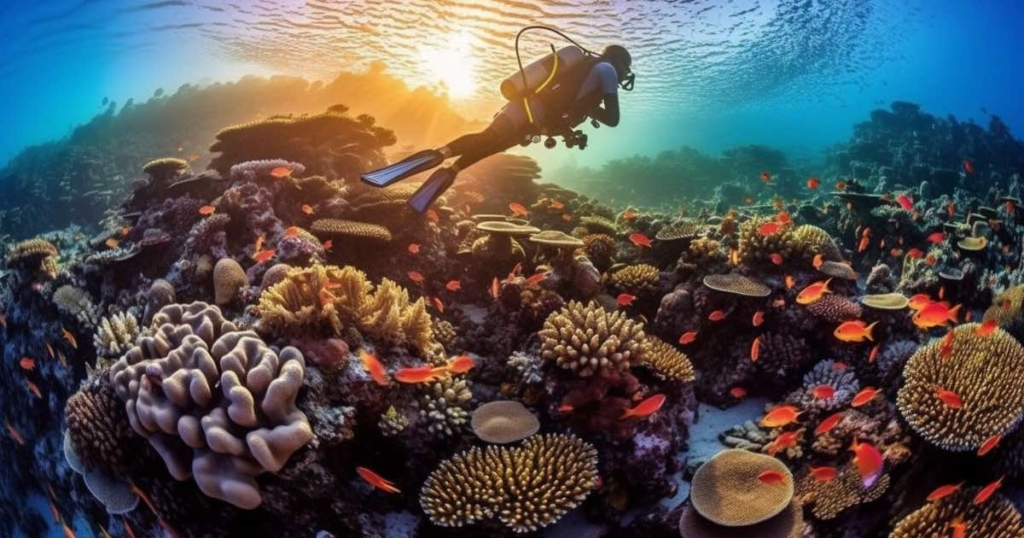
Our oceans are in crisis. Overfishing, pollution, climate change—these are just a few of the threats facing our seas. Coral reefs are bleaching, fish populations are dwindling, and plastic waste is choking marine life. The statistics are sobering, but there’s a silver lining. Across the globe, individuals and organizations are stepping up to protect our oceans, and among the most passionate of these ocean defenders are water sports athletes.
The Connection Between Water Sports and Marine Conservation
Water sports athletes have a unique relationship with the ocean. They experience firsthand the beauty of marine life, the thrill of the waves, and the tranquility of the open water. But they also witness the impacts of pollution, overfishing, and climate change. This intimate connection with the ocean often sparks a passion for marine conservation. After all, their playground is at risk, and they’re in a prime position to make a difference. 🏄♀️
The Role of Athletes in Marine Conservation
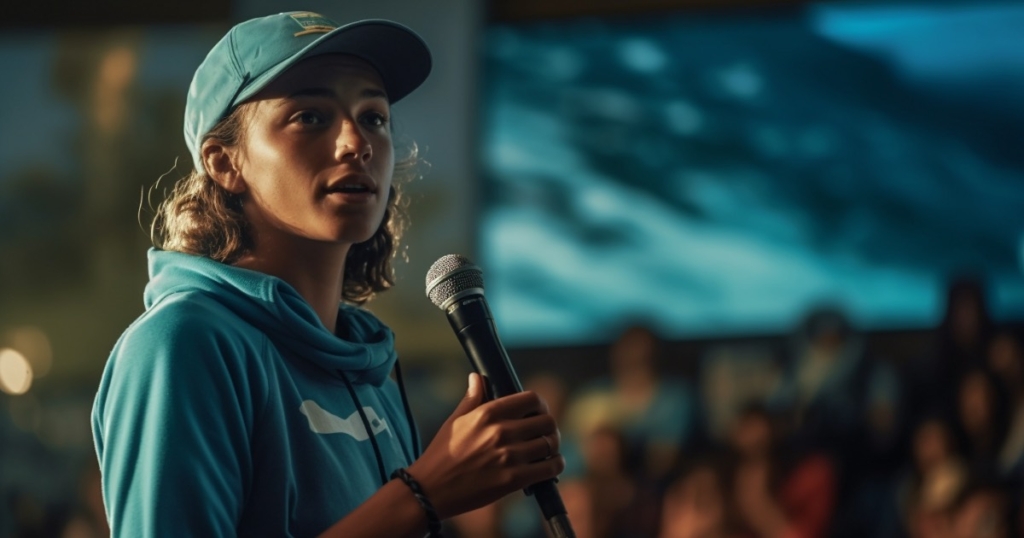
Water sports athletes are not just champions in their respective sports—they’re champions for our oceans. They leverage their platforms to raise awareness, advocate for policy changes, and promote sustainable practices. Let’s dive deeper into these roles.
Raising Awareness
One of the most significant roles athletes play in marine conservation is raising awareness. Through interviews, social media, and public appearances, they share their experiences and insights about the state of our oceans. They bring attention to the threats facing marine life and the urgent need for conservation. Their stories, told from the perspective of those who spend their lives in the water, can be a powerful tool for educating the public and inspiring action.
Advocacy and Activism
Many water sports athletes go beyond raising awareness—they become advocates and activists. They lobby for policy changes, participate in protests, and lend their voices to campaigns aimed at protecting our oceans. Some even establish their own foundations or partner with existing organizations to drive conservation efforts. Their status as athletes often opens doors to decision-makers, allowing them to influence policies at both the local and global level.
Sustainable Practices
Athletes also promote marine conservation by adopting and advocating for sustainable practices. This can range from simple actions like reducing plastic use and participating in beach clean-ups, to larger initiatives like promoting sustainable surfboard manufacturing or organizing eco-friendly water sports events. By leading by example, they inspire fans and fellow athletes to do their part in protecting our oceans.
Case Studies of Athletes Making a Difference
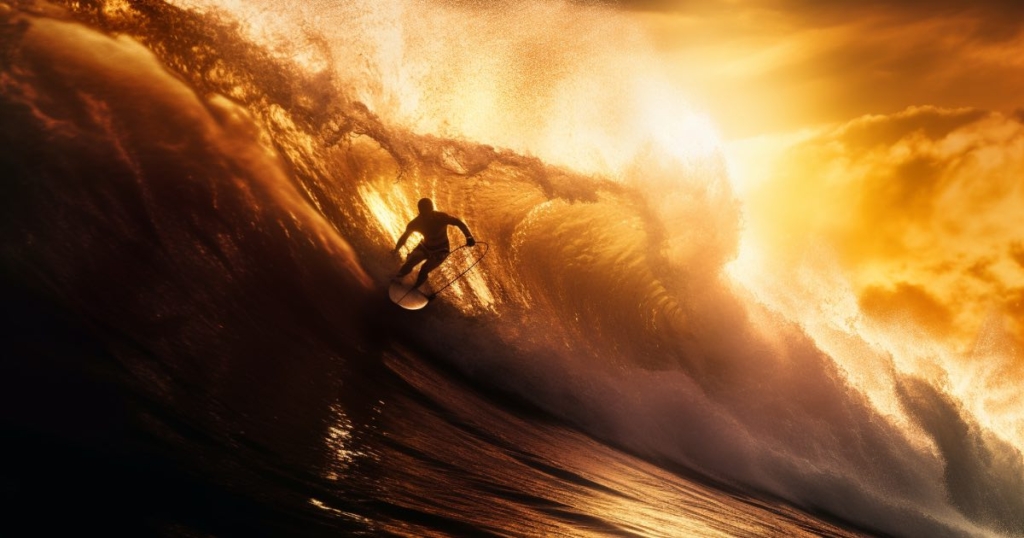
Across the globe, water sports athletes are making waves in marine conservation. Let’s take a look at a few inspiring examples.
Greg Long, Big Wave Surfer
Greg Long, a world champion big wave surfer, is a passionate advocate for the oceans. After a near-death experience while surfing, Long felt a renewed commitment to protecting the ocean environment. He’s since become an ambassador for several marine conservation organizations, using his platform to raise awareness about issues like plastic pollution and overfishing.
Easkey Britton, Surfer and Marine Social Scientist
Easkey Britton is not just a professional surfer—she’s also a marine social scientist with a PhD in Environment and Society. Britton uses her unique background to bridge the gap between research and action in marine conservation. She’s involved in numerous initiatives, including the Blue Space project, which explores the health and wellbeing benefits of water environments, and #WeAreTheSea, an art-based project that promotes ocean stewardship.
Michael Booth, Stand-Up Paddleboarder
Michael Booth, a world champion stand-up paddleboarder, is a strong advocate for clean oceans. He’s partnered with several environmental organizations to promote marine conservation, and regularly participates in beach clean-ups and other conservation activities. Booth also uses his social media platforms to educate his followers about the importance of protecting our oceans.
How We Can All Contribute
While it’s inspiring to see water sports athletes championing marine conservation, it’s important to remember that we can all play a part in protecting our oceans. Whether it’s reducing our use of plastic, participating in local beach clean-ups, or advocating for policies that protect marine life, every action counts. As consumers, we can also support companies that prioritize sustainability and give back to ocean conservation efforts. 🐠
Deep Dive: Understanding the Threats to Our Oceans

To become effective champions for our oceans, we need to understand the threats they face. Let’s take a deeper dive into some of these challenges. 🌊
Overfishing
Overfishing is one of the most immediate threats to our oceans. It’s the practice of catching fish from the sea at rates too high for the species to reproduce and replenish their populations. Overfishing can lead to the collapse of entire fisheries, threatening the livelihoods of communities that depend on them and disrupting delicate marine ecosystems.
Pollution
Our oceans are also under siege from pollution. This includes plastic waste, which can choke and entangle marine life; chemical pollutants, which can poison marine ecosystems; and noise pollution, which can disrupt the behavior of marine animals. Pollution not only harms marine life, but it also affects the health of the oceans themselves, which in turn affects the health of our planet.
Climate Change
Climate change is another major threat to our oceans. Rising sea temperatures can lead to coral bleaching, while ocean acidification—a result of the oceans absorbing carbon dioxide—can harm shell-forming animals like oysters and clams. Climate change can also lead to sea level rise and more intense storms, which can cause damage to coastal communities.
Spotlight: Innovative Solutions for Marine Conservation
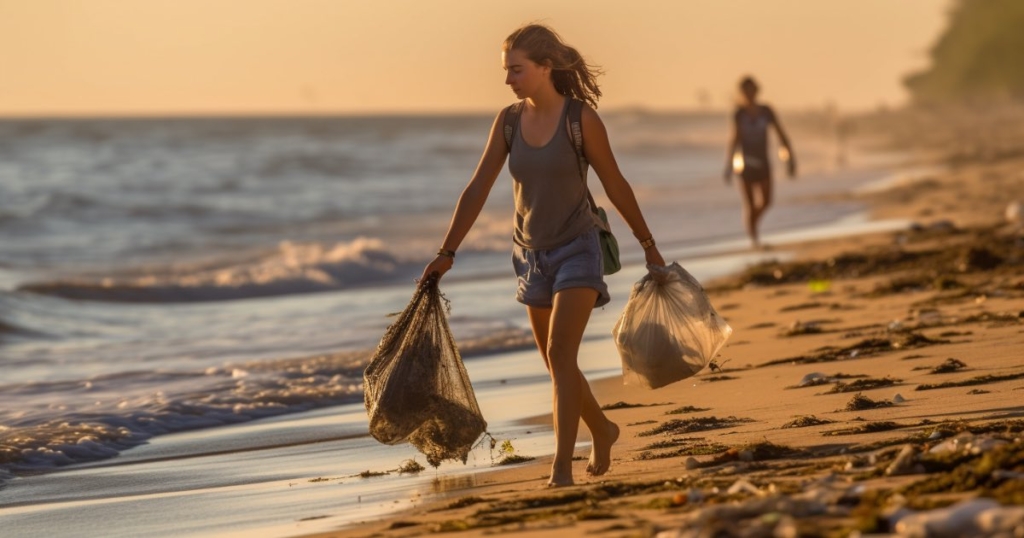
While the threats to our oceans are daunting, people around the world are coming up with innovative solutions to address them. Let’s shine a spotlight on some of these efforts.
Marine Protected Areas
Marine Protected Areas (MPAs) are areas of the ocean where human activities are more tightly regulated than the surrounding waters. MPAs can help protect marine ecosystems and give fish populations a chance to recover from overfishing. They can also serve as “living laboratories” for scientists studying marine life.
Plastic Alternatives and Cleanup Efforts
From biodegradable packaging to reusable shopping bags, alternatives to single-use plastics are becoming more widely available. At the same time, efforts to clean up plastic waste from our oceans are gaining momentum. These include beach clean-ups, as well as more high-tech solutions like The Ocean Cleanup’s autonomous systems that catch plastic waste in rivers before it reaches the sea.
Renewable Energy
Switching to renewable energy sources like wind and solar can help reduce the carbon emissions that contribute to climate change and ocean acidification. Offshore wind farms and tidal energy projects also show promise as sources of clean energy that make use of the ocean without harming marine life.
Joining the Wave: How Water Sports Companies are Contributing
It’s not just individual athletes making a splash in marine conservation—water sports companies are also riding the wave. From sustainable products to conservation initiatives, these companies are showing that business success and environmental stewardship can go hand in hand. 🏄♂️
Sustainable Products
Many water sports companies are reducing their environmental impact by creating sustainable products. This includes using eco-friendly materials, like recycled plastics and organic cotton, in their products; adopting sustainable packaging; and implementing take-back programs for used gear. By making sustainability a selling point, these companies are encouraging consumers to make more environmentally friendly choices.
Conservation Initiatives
Some water sports companies are going a step further by launching their own conservation initiatives. These range from funding marine research, to organizing beach clean-ups, to advocating for marine protected areas. By taking an active role in conservation, these companies are not only helping to protect our oceans, but also building goodwill with consumers who value corporate social responsibility.
Frequently Asked Questions
1. Why are water sports athletes involved in marine conservation?
Water sports athletes have a unique connection with the ocean. They witness firsthand the impacts of pollution, overfishing, and climate change. This intimate connection often sparks a passion for marine conservation. They use their platforms to raise awareness, advocate for policy changes, and promote sustainable practices.
2. How can I contribute to marine conservation?
There are many ways to contribute to marine conservation. You can reduce your own plastic use, participate in local beach clean-ups, or advocate for policies that protect marine life. As a consumer, you can also support companies that prioritize sustainability and give back to ocean conservation efforts.
3. What are some threats facing our oceans?
Our oceans face many threats, including overfishing, pollution, and climate change. Overfishing can lead to the collapse of entire fisheries, pollution harms marine life and affects the health of the oceans, and climate change can lead to coral bleaching, ocean acidification, and more intense storms.
4. What are some innovative solutions for marine conservation?
Innovative solutions for marine conservation include the establishment of Marine Protected Areas, the development of alternatives to single-use plastics and cleanup efforts, and the switch to renewable energy sources like wind and solar.
5. How are water sports companies contributing to marine conservation?
Many water sports companies are reducing their environmental impact by creating sustainable products, using eco-friendly materials, and adopting sustainable packaging. Some companies are also launching their own conservation initiatives, such as funding marine research, organizing beach clean-ups, and advocating for marine protected areas.
Conclusion
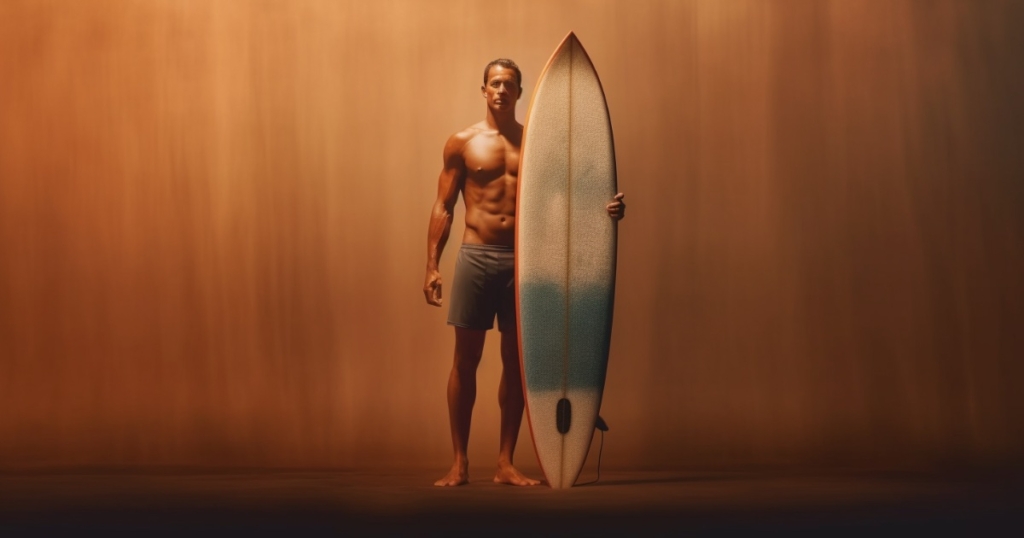
Our oceans are under threat, but there’s hope. From professional surfers to weekend paddleboarders, water sports athletes are stepping up to protect the playground they love. They’re raising awareness, advocating for change, and leading by example. But they can’t do it alone.
Marine conservation is a collective effort. It requires scientists conducting research, policymakers enacting protections, businesses adopting sustainable practices, and individuals like you and me making everyday choices that are kind to our oceans. It’s about understanding that our actions—big or small—have an impact, and that we each have a role to play in protecting our blue planet.
So, what can you do? Start by reducing your own plastic use. Participate in a local beach clean-up. Support businesses that prioritize sustainability. Educate yourself about the issues facing our oceans and share what you learn with others. Advocate for policies that protect marine life. Every action counts, and together, we can make a difference.
Water sports athletes have shown us the way. They’ve turned their passion for the ocean into a force for good, proving that love for a sport can translate into love for the environment. They’re not just champions in their sports—they’re champions for our oceans. And they’re inviting all of us to join them in the fight for marine conservation.
So let’s answer their call. Let’s become champions for our oceans, too. Because the ocean is more than just a playground—it’s a life-sustaining ecosystem that we all depend on. And it’s up to all of us to protect it. 🐬
Are you ready to make a splash for marine conservation? The ocean is waiting. And remember, as the saying goes, “The sea, once it casts its spell, holds one in its net of wonder forever.” Let’s keep that wonder alive for generations to come. Happy swimming, surfing, diving, paddling—and conserving!

Leave a Comment