

When the human spirit takes flight, no obstacle is too great, no challenge insurmountable. This is the essence of the Paralympics, a global event that celebrates the indomitable will of athletes with disabilities. Among the many disciplines in the Paralympics, water sports hold a special place, embodying the fluidity and adaptability of human resilience. 🌊
From the powerful strokes in the swimming pool to the rhythmic paddling in canoe sprint and rowing, Paralympic water sports are a testament to the strength and determination of the athletes. But what makes these sports truly remarkable is the innovative adaptive equipment that levels the playing field, enabling athletes to compete and excel.
Overview of Water Sports in the Paralympics
Swimming
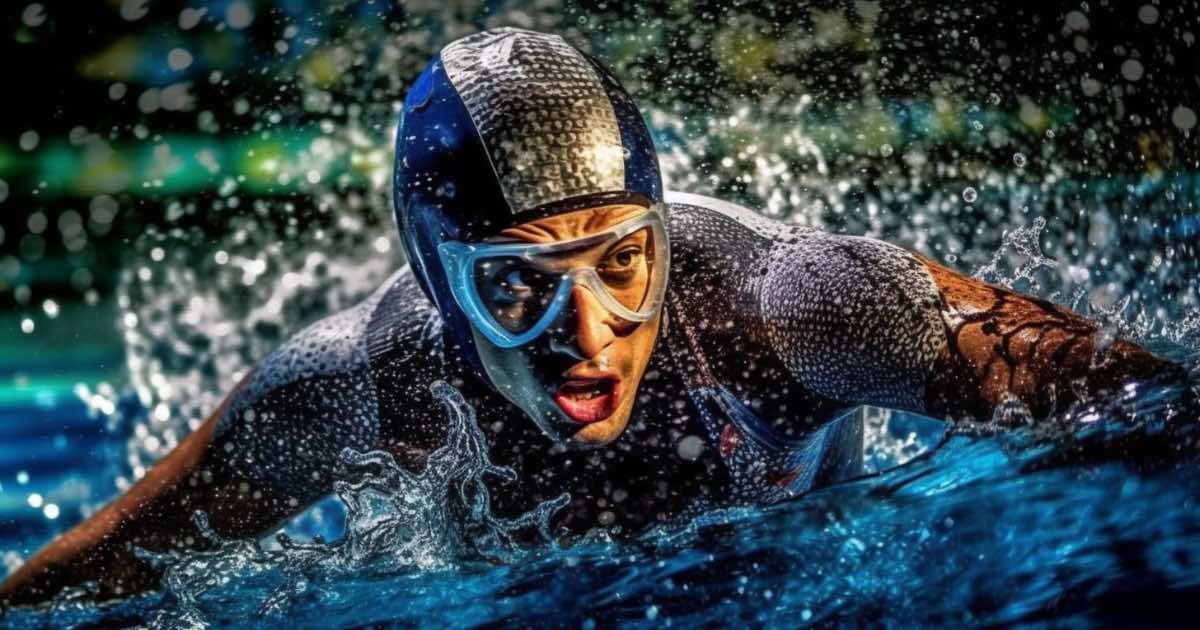
Swimming is one of the most popular sports in the Paralympics, with athletes competing in various categories based on their functional abilities. The sport is a thrilling display of speed, strength, and technique, as athletes conquer the pool with powerful strokes and turns.
Canoe Sprint
Canoe sprint made its Paralympic debut in 2016, offering a thrilling spectacle of speed and endurance. Athletes paddle on a flatwater course in a race against the clock, demonstrating incredible strength and precision.
Rowing
Paralympic rowing, also known as para-rowing, challenges athletes to work in perfect harmony with their boat and the water. The sport requires immense physical strength and impeccable timing, making it a captivating event to watch.
Adaptive Equipment Used in Paralympic Water Sports
Adaptive equipment plays a pivotal role in Paralympic water sports, enabling athletes with various disabilities to compete on an equal footing. These ingenious modifications and adaptations are a testament to human ingenuity and the spirit of inclusivity. 🛠️🏊♂️
Modifications for Swimming
In Paralympic swimming, the modifications are often subtle but significant. Swimmers with visual impairments may use tappers, individuals who use a long pole to tap the swimmers when they approach the wall for turns and finishes. This simple yet effective tool ensures that the athletes can give their best performance without fear of collision. For athletes with limb differences, prosthetic limbs designed for swimming can enhance balance and propulsion in the water.
Adaptations for Canoe Sprint
In Canoe Sprint, the boats are adapted to provide stability and support for the athletes. Outriggers are often added to prevent the canoe from tipping over, while custom-made seats and strapping systems ensure that the athletes are secure and comfortable. Athletes with limited grip may use adapted paddles with special handles, allowing them to paddle with power and precision.
Equipment for Rowing
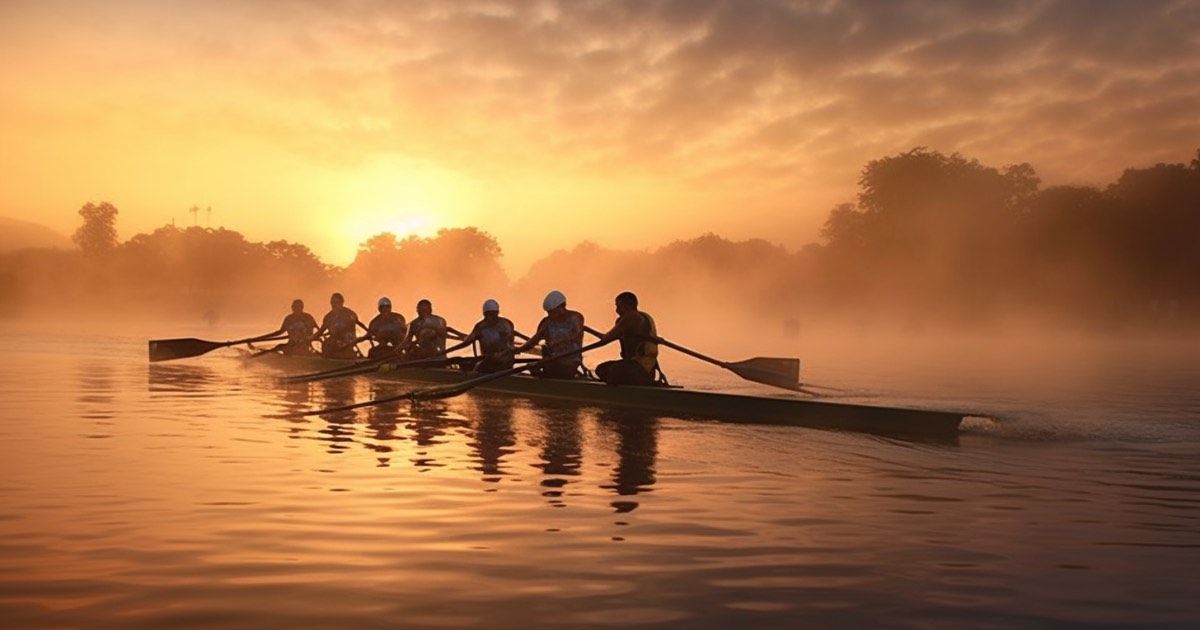
Para-rowing boats are equipped with fixed seats for athletes who use wheelchairs, and chest and waist straps provide stability and safety. For athletes with visual impairments, a coxswain guides the crew, providing instructions through a speaker system. The oars can also be modified with grips and supports, enabling athletes with various disabilities to participate in this demanding sport. 🚣♀️
Inspiring Athletes in Paralympic Water Sports
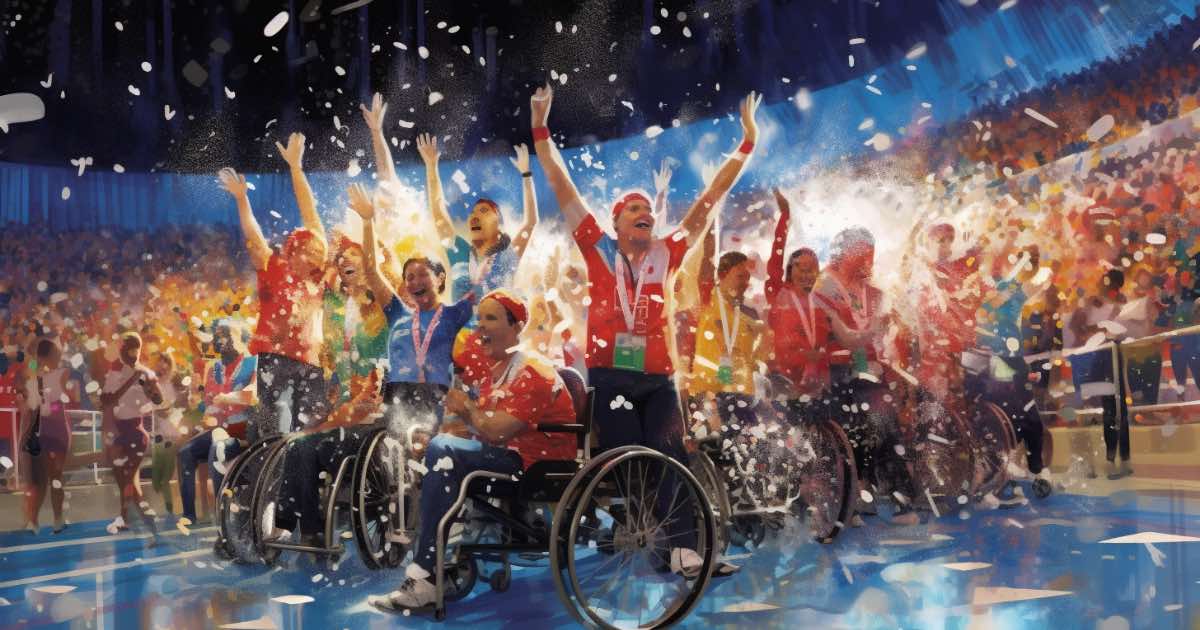
The true stars of Paralympic water sports are, without a doubt, the athletes themselves. Their stories of courage, perseverance, and triumph over adversity are a source of inspiration for all. Let’s dive into the journey of some of these remarkable individuals.
Brad Snyder: The Unseen Champion
Brad Snyder, a former U.S. Navy officer, lost his sight in an explosion in Afghanistan. But this setback didn’t dampen his spirit. Instead, he took to the pool and swam his way to victory, winning multiple gold medals in the Paralympics. His story is a powerful reminder that our greatest challenges can lead to our greatest triumphs.
Emma Wiggs: Paddling Against the Current
Emma Wiggs was an active traveler and sportswoman before a virus left her with a disability. But she didn’t let her new circumstances define her. She took up canoe sprint and powered her way to gold in the 2016 Paralympics, proving that determination and resilience can overcome the toughest obstacles.
Rachel Morris: Rowing to New Heights
Rachel Morris, a double amputee, is a force to be reckoned with in the world of Paralympic sports. After winning gold in cycling, she switched to rowing and continued her winning streak. Her story is a testament to the fact that with passion and perseverance, there are truly no limits to what one can achieve.
The Impact of Paralympic Water Sports
Paralympic water sports are more than just competitive events; they are a celebration of human potential and a beacon of inclusivity. They challenge societal perceptions about disability, showcasing that athletes with disabilities are not defined by their limitations, but by their abilities.
These sports also drive innovation in adaptive equipment, leading to advancements that benefit not just athletes, but all individuals with disabilities. The technologies developed for Paralympic water sports often find applications in everyday life, improving accessibility and quality of life.
Moreover, Paralympic water sports inspire countless individuals around the world, disabled or not. They teach us that with courage, determination, and the right support, any obstacle can be overcome. They remind us that every person has the potential to make waves and leave a lasting impact.
Frequently Asked Questions
1. What are some of the water sports in the Paralympics?
Swimming, canoe sprint, and rowing are some of the water sports in the Paralympics.
2. What is adaptive equipment?
Adaptive equipment refers to modifications and tools that help athletes with disabilities to participate in sports. This can include special seats, strapping systems, modified paddles, and more.
3. Who are some notable athletes in Paralympic water sports?
Some notable athletes include Brad Snyder in swimming, Emma Wiggs in canoe sprint, and Rachel Morris in rowing.
4. How do Paralympic water sports impact society?
Paralympic water sports challenge societal perceptions about disability, drive innovation in adaptive equipment, and inspire countless individuals around the world.
5. How can I get involved in Paralympic water sports?
You can get involved by volunteering at events, donating to organizations that support Paralympic athletes, or advocating for inclusivity in sports in your community.
Conclusion
Paralympic water sports are a testament to the indomitable spirit of athletes who refuse to be defined by their disabilities. They are a celebration of human potential, a showcase of ingenuity in the face of adversity, and a powerful reminder that sports are for everyone.
From the swimming pool to the canoe sprint course and the rowing lanes, these athletes conquer every wave, every current, every challenge that comes their way. They inspire us with their courage, their resilience, and their unwavering determination to make their mark. They show us that with the right support and adaptive equipment, there are truly no limits to what they can achieve.
As we watch these athletes compete, we are reminded of the power of sports to transform lives and change perceptions. We see that disability is not a barrier to achievement, but a different way of experiencing the world. And we learn that with courage, determination, and a little bit of creativity, we can all make waves in our own way. 🏆
So, the next time you watch a Paralympic water sports event, remember the journey of these athletes. Remember the challenges they’ve overcome, the boundaries they’ve pushed, and the victories they’ve won. And let their stories inspire you to conquer your own challenges, in sports and in life.

Leave a Comment